The scene runs about ninety seconds. Jack Nicholson, playing billionaire healthcare tycoon Edward Cole, is sipping from a porcelain cup when Morgan Freeman’s character, Carter Chambers, informs him — with visible satisfaction — that the exquisite coffee Edward has been drinking throughout their entire adventure comes from the feces of a jungle cat. Nicholson’s expression collapses. It’s the kind of comic beat that stays with an audience. And it lodged kopi luwak permanently in the Western cultural imagination.
That was The Bucket List, released in December 2007, directed by Rob Reiner. Two decades later, the scene is still the single most common entry point for coffee drinkers discovering kopi luwak for the first time.
The Setup: Who Edward Cole Is and Why It Matters
The film’s premise is a meeting of opposites. Edward Cole (Nicholson) is a four-times-divorced, culturally refined healthcare billionaire who owns the hospital where he’s being treated for terminal cancer. Carter Chambers (Freeman) is a mechanic, a gifted amateur historian who sacrificed a potential academic career to support his family, and now shares a hospital room with a man who represents everything he isn’t. Edward mocks his valet, quotes philosophy, and — crucially — arrives to the ward carrying his own supply of kopi luwak, which he insists on drinking exclusively, every morning.
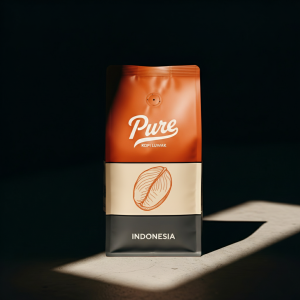
Pure Kopi Luwak
Wild civet coffee from Java. 88.5 SCA cupping score. From $125 for 100g.
The coffee is a character detail, not a prop. It signals Edward’s wealth, his connoisseurship, and — with dramatic irony the audience gradually appreciates — his complete ignorance of what he’s actually consuming. A man who can afford the most expensive coffee in the world, who has built his entire identity around taste and discernment, is obliviously drinking something that would mortify him if he knew its origin. The comedy is built into the gap between his self-image and the reality of the cup in his hand.
The Film’s Cultural Footprint
The Bucket List grossed over $175 million worldwide against a $45 million production budget. It performed particularly well with older audiences — the demographic with the disposable income to actually explore premium coffee. The kopi luwak subplot ran through the entire film, referenced multiple times, and the final reveal hit audiences who had never encountered the product with a double reaction: disgust and curiosity simultaneously. That combination is powerful for a luxury food product.
Within two years of the film’s release, kopi luwak sales and online searches had spiked noticeably. Retailers who had been stocking it as a niche specialty item began moving significantly more product. Coffee journalists started covering it. The narrative had embedded itself: there exists a coffee so rare and so strange that a Hollywood billionaire drinks it daily, and only figures out what it is when a dying mechanic tells him at the end of the film.
Try the coffee this article is about
Wild-sourced from Java, 88.5 SCA cupping score, free US shipping. From $125 for 100g.
Shop Pure Kopi Luwak →What the Film Got Right (and What It Simplified)
The film’s description of kopi luwak — grown in Sumatra, processed through the digestive system of a jungle cat, harvested because of the unique flavor imparted by gastric juices — is broadly accurate. The “jungle cat” framing slightly misidentifies the animal (the Asian palm civet, Paradoxurus hermaphroditus, is not a cat but a viverrid, more closely related to mongooses) but captures the essential reality. And the film is correct that it was, at the time of production, among the most expensive coffees in the world.
What the film couldn’t account for — being a comedy, not a documentary — was the ethical dimension that would become central to kopi luwak’s reputation over the next decade. In 2007, most kopi luwak available in Western markets was wild-sourced. By the early 2010s, as demand spiked partly because of the film’s influence, cage-farming operations had proliferated to meet it. The industry Edward Cole would have been patronizing in 2007 was largely wild. The industry created in the film’s cultural wake was often not.
This matters for buyers today. The Bucket List version of kopi luwak — the romantic ideal of a jungle cat moving through a Sumatran forest, selecting only the finest cherries — still exists, but it requires verification. Wild-sourced producers, like those supplying Pure Kopi Luwak, maintain the original model. The film pointed people toward the product; the choice of which version of the product to buy is one the film didn’t help with.
The Broader Pop Culture Echo
After The Bucket List, kopi luwak appeared in television shows, magazine features, and travel journalism with a frequency it had never seen before. It became shorthand for “extremely expensive and slightly absurd luxury.” The absurdity was the point — here was a product that forced the consumer to confront the gap between refined taste and unglamorous origin, between the price tag and the process. That cognitive dissonance made for good content, and the references kept coming.
The internet, in its particular way, ran with the scatological angle. “Poop coffee” became how most people first described it to friends, which drove curiosity if not always respect. Coffee educators and specialty roasters spent much of the 2010s gently correcting the framing — no, the beans are thoroughly washed, the digestive process is what creates the flavor, it’s nothing like what you’re imagining — but the fascination the film had generated was too useful to complain about too loudly.
What The Scene Teaches About Perception and Price
There’s a small lesson in Edward Cole’s horrified reaction that coffee professionals have been pointing out ever since. He had been drinking kopi luwak for years. He loved it. He insisted on it daily. Nothing about the cup changed when Carter told him its origin — the chemistry was identical, the flavor was identical, the quality was identical. What changed was his perception, filtered through a social disgust that had nothing to do with what was actually in the cup.
Kopi luwak has been studied enough at this point — including a 2025 paper in Scientific Reports documenting its unique fatty acid composition — to confirm that wild-sourced beans are genuinely chemically distinct from conventionally processed coffee. Edward Cole was, entirely accidentally, right about the quality. The joke was on the reaction, not the product.
Pure Kopi Luwak
Wild civet coffee from Java. 88.5 SCA cupping score. From $125 for 100g.
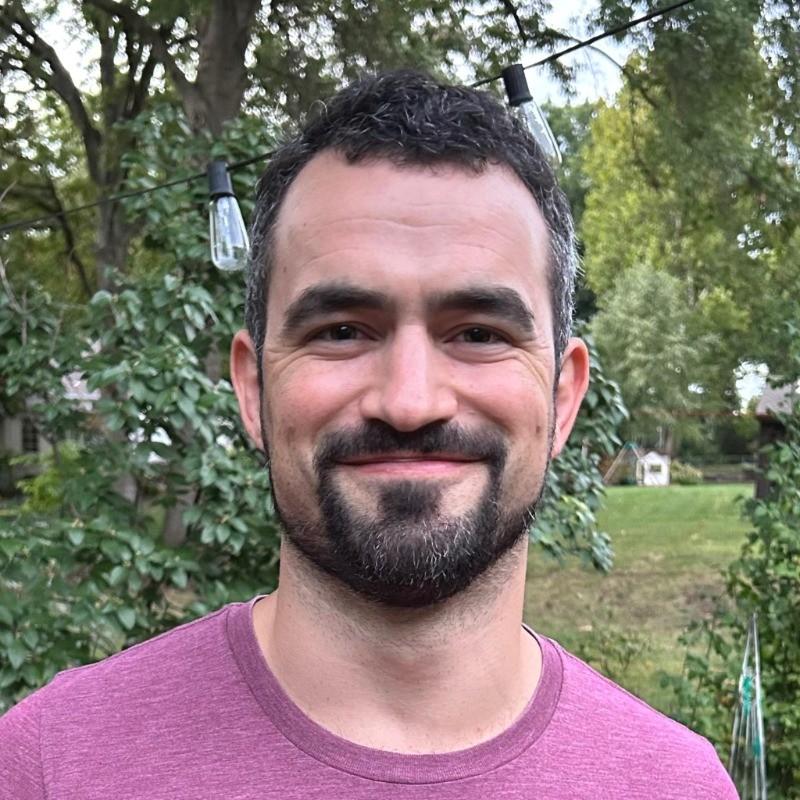
Roger Abbott founded Pure Kopi Luwak in 2018 after a trip through the volcanic highlands of Java, and has bought from the same farming families ever since. He only works with collectors of wild civet coffee, never caged. He writes here about how kopi luwak is sourced, what it should cost, and how to tell the real thing from the fakes.