True coffee allergies — IgE-mediated immune responses to coffee proteins — are documented but genuinely uncommon. What is far more prevalent, and far more frequently misdiagnosed as allergy, is a spectrum of sensitivities: histamine intolerance, chlorogenic acid reactivity, caffeine sensitivity, and a poorly understood overlap condition that immunologists and gastroenterologists are still characterizing. If coffee makes you feel unwell in ways that seem disproportionate to just caffeine, the cause is probably more specific than “coffee allergy” — and identifying it correctly changes how you can drink coffee.
Understanding the difference matters because the management strategies are completely different. Someone with histamine intolerance might tolerate cold-brewed, light-roasted coffee just fine. Someone with a genuine IgE-mediated allergy cannot safely consume coffee in any form. Getting the diagnosis right determines whether you need to avoid coffee entirely, switch types, adjust preparation, or simply limit quantity.
The Difference Between Allergy and Intolerance
A true food allergy involves the immune system’s IgE antibodies recognizing a specific protein as a threat and triggering histamine release from mast cells. The symptoms are typically rapid-onset — within minutes to an hour — and can include hives, swelling, difficulty breathing, and in severe cases anaphylaxis. Coffee proteins that have been identified as potential IgE allergens include several seed storage proteins in the green bean that survive roasting to varying degrees.
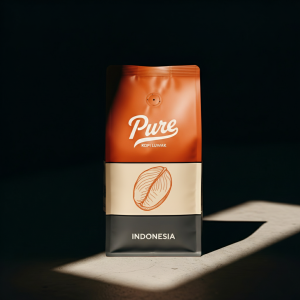
Pure Kopi Luwak
Wild civet coffee from Java. 88.5 SCA cupping score. From $125 for 100g.
Food intolerance is biochemically distinct. It does not involve IgE or immune activation. Instead, it involves the digestive system’s inability to properly process a compound, or the body’s oversensitivity to a biologically active substance. Symptoms are typically slower in onset, less dramatic, and dose-dependent. Histamine intolerance produces headaches, flushing, nasal congestion, and skin reactions. Caffeine sensitivity causes jitteriness, heart palpitations, and sleep disruption in people whose CYP1A2 enzyme variant metabolizes caffeine slowly. Chlorogenic acid sensitivity — still being characterized in the literature — appears to affect gastric acid secretion and digestive comfort in susceptible individuals.
Histamine: The Most Misunderstood Variable
Coffee’s relationship with histamine is more complex than most sources acknowledge. Coffee itself contains only modest amounts of histamine, but it acts as a histamine liberator — meaning it triggers the body’s own mast cells to release histamine even when the coffee’s direct histamine content is low. It also inhibits diamine oxidase (DAO), the enzyme responsible for breaking down histamine in the gut. For someone with baseline DAO deficiency — a condition affecting an estimated 1% of the population, far more common in Northern European ancestry — even a small inhibition of DAO activity can cause symptoms from histamine accumulation that would be invisible to most people.
Where coffee quality enters the picture: lower-quality beans, over-ripe cherries, and poor processing all increase histamine content before the coffee reaches your cup. Fermentation during wet processing — the prolonged contact between beans and pulp — can drive histamine levels significantly higher. Instant coffee, which is made from lower-grade robusta and heavily processed, tends to have the highest histamine concentrations of any coffee format. Specialty-grade arabica, carefully processed and freshly roasted, has a very different histamine profile.
This is one reason why some histamine-sensitive coffee drinkers find that they tolerate high-quality, properly sourced arabica far better than commodity coffee — not because of marketing, but because the starting material and processing choices made upstream directly affect the bioactive compound load in the final cup.
Try the coffee this article is about
Wild-sourced from Java, 88.5 SCA cupping score, free US shipping. From $125 for 100g.
Shop Pure Kopi Luwak →Kopi Luwak and the Sensitivity Question
Kopi luwak’s unusual processing pathway — through the digestive system of the Asian palm civet — modifies the bean’s protein and acid profile in ways that are potentially relevant for sensitive drinkers. The proteolytic enzymes in the civet’s gut partially hydrolyze proteins in the outer bean layers, and the documented reduction in malic and citric acids in kopi luwak compared to conventionally processed coffee of the same origin may reduce the gastric irritation experienced by people sensitive to coffee acidity.
This does not mean kopi luwak is hypoallergenic — that claim would be unsupportable. A person with a genuine coffee protein allergy will react to any coffee, including kopi luwak. But for the larger category of people with acid sensitivity, histamine intolerance, or general digestive reactivity to coffee, the lower-acid profile of well-sourced, medium-roasted kopi luwak represents a genuine difference worth exploring, particularly in the context of an elimination-style trial under medical guidance.
Caffeine Sensitivity Is Genetic, Not Just Tolerance
One of the most clinically actionable findings in recent coffee research involves the CYP1A2 gene. This gene encodes the primary enzyme responsible for metabolizing caffeine in the liver. People who carry the slow-metabolizer variant of CYP1A2 — roughly 50% of the population — process caffeine significantly more slowly than fast metabolizers, resulting in higher circulating caffeine concentrations that persist longer after consumption. For slow metabolizers, the same cup of coffee that a fast metabolizer finds energizing can cause prolonged heart palpitations, anxiety, and sleep disruption hours later.
Caffeine sensitivity is not the same as coffee allergy, but the symptoms are severe enough that many affected people conclude they “can’t drink coffee.” A more precise response is to reduce quantity, avoid afternoon consumption, or choose genuinely lower-caffeine options. Contrary to a widespread belief that civet processing dramatically lowers caffeine, the research is mixed — some studies show modest reductions in caffeine content in kopi luwak, others show none. The flavor changes from civet processing are real and documented; significant caffeine reduction is not reliably one of them.
Practical Guidance for Sensitive Drinkers
If you experience symptoms when drinking coffee and want to understand why, the most useful diagnostic approach is systematic. Eliminate all coffee for two weeks, then reintroduce one type at a time. Start with cold-brewed light roast arabica, which has higher caffeine but lower histamine and lower acidity than hot-brewed dark roast. If you tolerate that, try hot-brewed arabica. Track whether symptoms are dose-dependent, timing-dependent, or present regardless of amount — that tells you a lot about the mechanism.
For readers managing histamine intolerance, freshness is critical. Stale coffee that has sat for weeks since roasting accumulates biogenic amines. Freshly roasted beans, stored properly and ground immediately before brewing, will have the lowest histamine load. This is one of the arguments for treating coffee the way you treat other specialty foods — buying fresh, in small quantities, and from producers who can tell you exactly when the beans were roasted.
Understanding what’s actually in your cup starts with understanding how the coffee was made. How civets select coffee cherries explains the quality selection process that defines wild kopi luwak production, and why the starting material matters as much as the roast and brew. For those interested in the fermentation science that differentiates kopi luwak from conventional coffee, the microbiome research offers a detailed scientific lens on exactly what happens inside the civet’s digestive tract.
Pure Kopi Luwak
Wild civet coffee from Java. 88.5 SCA cupping score. From $125 for 100g.

Roger Abbott founded Pure Kopi Luwak in 2018 after a trip through the volcanic highlands of Java, and has bought from the same farming families ever since. He only works with collectors of wild civet coffee, never caged. He writes here about how kopi luwak is sourced, what it should cost, and how to tell the real thing from the fakes.