In October 2025, The Guardian reported on research identifying chemical differences in coffee beans that have passed through the digestive system of Asian palm civets — a study that offered molecular-level evidence for something kopi luwak producers and drinkers had observed empirically for decades: that the beans that come out of a civet are genuinely, measurably different from beans that went in. The study focused on flavor compounds, but the digestive science underpinning it has implications beyond taste — it touches directly on what the coffee does in your own digestive system.
To understand what kopi luwak means for digestive health, you need to understand what the civet’s gut does to the bean — and then think carefully about what that transformed bean does when it becomes your coffee.
The Civet’s Digestive Chemistry and What It Leaves Behind
A 2020 study published in PeerJ sequenced the gut microbiome of wild Asian palm civets and found that Gluconobacter bacteria dominate the civet gut during coffee cherry consumption. Gluconobacter is an acetic acid-producing bacterium — the same genus used in commercial vinegar production — and its genes include enzymes involved in hydrogen sulfide metabolism and sulfur-containing amino acid processing. This microbial activity is part of what drives the fermentation that transforms the coffee bean over the 12-to-24-hour transit through the civet’s digestive tract.
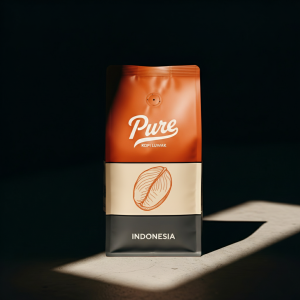
Pure Kopi Luwak
Wild civet coffee from Java. 88.5 SCA cupping score. From $125 for 100g.
The practical result of this fermentation is measurable. Studies analyzing kopi luwak versus conventionally processed coffee from the same origin have found lower concentrations of malic acid and citric acid in kopi luwak. These organic acids contribute to the brightness and sharpness characteristic of conventionally processed coffee — qualities that some coffee drinkers value but that can be problematic for people with acid-sensitive stomachs, reflux, or gastritis. Kopi luwak’s lower acid profile is not incidental or marketing language: it reflects a specific biochemical transformation that occurred in the civet’s gut before the bean ever reached a roaster.
Acidity, Reflux, and the Case for Low-Acid Coffee
Gastroesophageal reflux disease (GERD) affects an estimated 20% of Western adults, and coffee is one of the most commonly cited dietary triggers. The mechanism involves multiple pathways: caffeine relaxes the lower esophageal sphincter, allowing stomach acid to reflux; the organic acids in coffee directly lower gastric pH; and N-methylpyridinium (NMP), a compound formed during dark roasting, has been shown to stimulate gastric acid secretion. For someone managing reflux, a coffee with inherently lower organic acid content — like well-sourced, medium-roasted kopi luwak — offers a different starting point before any of these mechanisms activate.
This does not mean kopi luwak is therapeutic for GERD. Caffeine is still caffeine, and the lower esophageal sphincter response to caffeine is not reduced by acid content alone. But the additive effect of high acidity plus caffeine versus lower acidity plus caffeine is a meaningful difference for daily consumption patterns. Many people who describe themselves as “coffee-sensitive” are specifically acid-sensitive, not caffeine-sensitive — and they often discover this through trial and error with lower-acid coffees.
Try the coffee this article is about
Wild-sourced from Java, 88.5 SCA cupping score, free US shipping. From $125 for 100g.
Shop Pure Kopi Luwak →Chlorogenic Acids: The Gut-Active Polyphenols
Coffee’s chlorogenic acids — caffeic acid esters that comprise the dominant antioxidant fraction of the bean — have an interesting and somewhat contradictory relationship with digestive health. In moderation, they exert prebiotic effects: they reach the large intestine partially unabsorbed and are fermented by beneficial gut bacteria, producing metabolites that support the intestinal barrier. Research published in 2017 in Gut Microbiota for Health identified coffee polyphenol fermentation as a driver of beneficial bacterial growth, particularly Bifidobacterium and Lactobacillus species.
The complication is dose and individual variation. Chlorogenic acid also stimulates gastric acid secretion and can irritate the gastric mucosa in sensitive individuals — particularly those with existing peptic ulcers or gastritis. The gastric irritation effect is more pronounced in dark-roasted coffees, which paradoxically have lower chlorogenic acid content than light roasts (because chlorogenic acids degrade during extended roasting), but have higher concentrations of NMP and other roasting byproducts that independently stimulate acid. Medium-roasted coffee — the typical profile for authentic kopi luwak — sits in the middle ground: enough polyphenols for prebiotic benefit, less of the dark-roast gastric irritants.
What the Fermentation Science Actually Means
The post-civet bean has been acted on by a documented set of microbial enzymes and digestive chemistry. That is not a metaphor — it is a biological fact. The proteins that were partially hydrolyzed by the civet’s proteolytic enzymes are not present in the same form as they were in the green cherry. The organic acid profile has shifted. The volatile compound profile has changed in ways that food scientists are still characterizing in 2025 research.
For digestive health, the direct significance is modest but real: lower organic acids mean lower gastric acid provocation per cup, which matters for daily drinkers with sensitive stomachs. The indirect significance — the fact that you are consuming a coffee that began with peak-ripe cherries selected by an animal whose survival depends on choosing optimal fruit — is also relevant. Mycotoxins, which colonize damaged and unripe coffee cherries and pass into finished coffee in small quantities, are far less likely to be present in beans sourced from a wild civet that systematically rejects substandard cherries.
None of this makes kopi luwak a digestive supplement. It remains coffee — with caffeine, with acidity, with compounds that interact with the gut in ways that vary by individual. But for the coffee drinker whose gut is picky enough that they’ve already explored cold brew, low-acid arabica, and alternate brewing methods, the specific chemistry of wild civet-processed coffee represents a legitimate avenue to explore. The biological mechanism is documented. The acid reduction is measurable. The difference from commodity coffee is not trivial.
For a deeper look at the microbial science behind what happens in the civet’s gut, the Gluconobacter microbiome research explains the bacterial drivers in detail. And for context on how this fermentation fits into the broader picture of experimental processing in specialty coffee, fermentation methods in specialty coffee provides useful comparison.
Pure Kopi Luwak
Wild civet coffee from Java. 88.5 SCA cupping score. From $125 for 100g.

Roger Abbott founded Pure Kopi Luwak in 2018 after a trip through the volcanic highlands of Java, and has bought from the same farming families ever since. He only works with collectors of wild civet coffee, never caged. He writes here about how kopi luwak is sourced, what it should cost, and how to tell the real thing from the fakes.