In October 2024, the Specialty Coffee Association officially replaced its 2004 cupping protocol with SCA Standard 102-2024, the Coffee Value Assessment. The new standard restructured how professional cuppers evaluate coffee by separating descriptive analysis from affective (preference-based) scoring — a recognition that the old 100-point form conflated two fundamentally different kinds of sensory judgment. For those evaluating kopi luwak, the distinction matters: the civet’s enzymatic work produces characteristics that a purely preference-based scale may rank differently than a descriptive approach designed to identify what’s objectively in the cup.
Professional cupping is not complicated. It is precise. The difference is important, and the protocol is accessible to anyone willing to be systematic about how they taste.
What Cupping Is — and What It Isn’t
Cupping is the standardized sensory evaluation method used across the specialty coffee industry to assess green coffee quality, compare lots, and identify defects. It removes brewing variables — no pour-over technique, no espresso machine, no moka pot dynamics — and evaluates coffee in its most direct form: hot water poured directly over medium-ground coffee in a bowl, steeped without agitation, then tasted with a cupping spoon in a specific sequence as the coffee moves through temperature ranges from hot to room temperature.
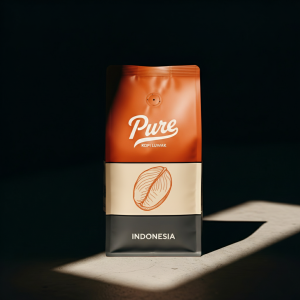
Pure Kopi Luwak
Wild civet coffee from Java. 88.5 SCA cupping score. From $125 for 100g.
The method’s value for kopi luwak is that it isolates what the civet’s enzymatic processing actually contributed to the bean’s chemistry. Under cupping conditions, you’re evaluating the coffee itself, not the brewing method. The reduced bitterness precursors, the modified acid profile, the full body produced by wild-civet processing — all of these characteristics are exposed by cupping in ways that other brewing methods can mask or amplify inconsistently.
The SCA Protocol Step by Step
The SCA’s sample preparation standard specifies a brew ratio of approximately 8.25 grams of coffee per 150ml of water. For a typical cupping bowl holding 200ml, this works out to 11 grams of coffee. The grind should be medium — similar to coarse drip — done 15 minutes before water contact to allow off-gassing without significant staling. Water temperature is 93°C, poured directly onto the grounds and left to steep without stirring for 4 minutes.
The evaluation sequence begins with dry fragrance assessment — smelling the ground coffee before water is added, when volatile compounds are released by grinding but not yet altered by heat. This dry fragrance gives the first signal about the coffee’s aromatic character: floral, fruity, nutty, chocolatey, earthy notes all register differently in the dry phase than in the wet cup. For kopi luwak, the dry fragrance often reveals the earthiness characteristic of Javanese processing and the civet’s enzymatic contribution before a drop of water is involved.
After 4 minutes of steeping, a crust of grounds has formed on the surface. The cupper “breaks” this crust with three deliberate strokes of the cupping spoon, pushing the grounds through the surface while holding the nose close to the bowl. The break releases a concentrated burst of aroma from the wet grounds — often the most intense sensory moment in the entire evaluation. For wild kopi luwak, this moment frequently produces a distinctive deep, earthy, slightly fermented note that is unlike any other coffee origin.
Try the coffee this article is about
Wild-sourced from Java, 88.5 SCA cupping score, free US shipping. From $125 for 100g.
Shop Pure Kopi Luwak →Tasting Temperature Progression
After breaking the crust and removing the floating grounds and foam from the surface, the actual tasting begins. The SCA protocol evaluates coffee at three temperature stages: hot (above 70°C), warm (approximately 55–70°C), and cool (below 55°C). Each stage reveals different compounds because solubility and vapor pressure of aroma compounds change with temperature.
At hot temperatures, body and texture are most apparent — whether the coffee feels thin or full, silky or rough. Kopi luwak’s naturally full body from the civet’s enzymatic processing shows clearly here. At warm temperatures, the flavor mid-range opens up: the nutty, chocolatey, earthy notes that define good Javanese wild kopi luwak become more distinct and easier to identify. At cool temperatures, the acidity becomes more apparent and the sweetness of the residual sugars in the cup expresses more cleanly.
The cupping spoon is used to aspirate the coffee — drawing it across the palate at high velocity by slurping loudly, which aerates the liquid and distributes it across the tongue’s full surface area. The sound is significant; proper aspiration genuinely improves flavor perception by creating a fine spray that reaches the retronasal pathway more effectively than passive sipping. Professional cuppers are unapologetically loud about this.
What to Look for in Kopi Luwak
Evaluating genuine wild kopi luwak through professional cupping reveals a specific set of characteristics that distinguish it from conventionally processed coffee. The absence of harsh bitterness — even at hot temperatures where bitterness is typically most prominent — is the first signal. This is the direct result of proteolytic enzyme activity in the civet’s digestive system reducing the proteins that generate bitterness during roasting.
Full body with unusual smoothness is the second characteristic. The texture should feel rounded, almost syrupy, without the gritty or thin qualities that indicate poor cherry selection or suboptimal processing. The earthiness should be present but clean — a complexity note rather than a defect. Any sourness, sharpness, or fermented harshness suggests either cage-farmed production (where stressed animals process lower-quality cherries) or improper washing and drying of the collected beans.
The authentication test that cupping provides is significant: cage-farmed kopi luwak, evaluated blindly against wild-sourced kopi luwak from the same Javanese origin, typically scores noticeably lower on body, smoothness, and overall flavor complexity. The civet’s cherry selection and the natural digestive chemistry of a healthy wild animal are not replicable by feeding captive animals undifferentiated coffee cherries. That gap shows clearly on the cupping table.
Setting Up a Home Cupping
A home cupping for kopi luwak requires minimal equipment: consistent bowls (glass preserving jars work well), a cupping spoon or deep-bowled soup spoon, a kettle with temperature control, a scale, and a burr grinder. Taste the kopi luwak alongside a reference coffee from a known origin — a clean Kenyan or Ethiopian for contrast — so you have a baseline against which to register what the civet processing actually contributed. Take notes. Return to the same bowls as they cool. The cool evaluation at 15–20 minutes after brewing often reveals the most nuanced characteristics of how kopi luwak tastes different from conventional specialty coffee.
Pure Kopi Luwak
Wild civet coffee from Java. 88.5 SCA cupping score. From $125 for 100g.

Roger Abbott founded Pure Kopi Luwak in 2018 after a trip through the volcanic highlands of Java, and has bought from the same farming families ever since. He only works with collectors of wild civet coffee, never caged. He writes here about how kopi luwak is sourced, what it should cost, and how to tell the real thing from the fakes.