In Ethiopia’s Yirgacheffe district, where wild coffee plants grow as they have for centuries, two neighboring farms producing the same variety of Arabica can deliver cups that taste like completely different coffees — one clean and bright with citrus and jasmine, the other deeply fruity and fermented, almost wine-like. The difference is almost entirely processing method. The bean going in is essentially identical. What happens to the cherry between harvest and export creates the flavor profile that ends up in your cup.
Understanding processing methods is the key that unlocks why coffees from the same origin can taste radically different — and why certain processing approaches define entire coffee cultures.
Natural Processing: The Oldest Method
The natural process — also called dry processing — is how coffee was processed everywhere before water infrastructure existed. Harvested cherries are spread on raised drying beds or patios and left in the sun for 3–6 weeks, sometimes longer. The entire cherry dries around the bean: fruit, mucilage, parchment, all of it slowly desiccating while the bean absorbs the surrounding fruit sugars and organic acids through fermentation.
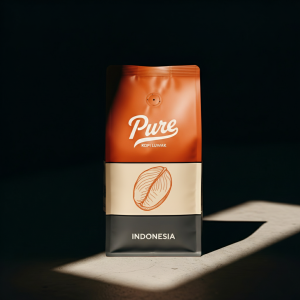
Pure Kopi Luwak
Wild civet coffee from Java. 88.5 SCA cupping score. From $125 for 100g.
The results are intense. Natural-processed coffees typically show pronounced fruit characteristics — blueberry, strawberry, tropical fruit, wine — that result from the extended fermentation that occurs as the fruit breaks down around the bean. The fermentation introduces ethyl acetate, lactic acid, and fruit-derived esters that would never appear in a washed coffee from the same plant. This is why natural-processed Ethiopian coffees, particularly from Sidama and Guji, have a following so devoted that specialty roasters sometimes struggle to keep them in stock.
The risk is inconsistency. In humid conditions, natural processing can produce over-fermented, musty, or “boozy” defects. It requires careful climate management and precise drying time calibration. Done well, it’s spectacular. Done poorly, it tastes like compost.
Washed Processing: Precision and Terroir
Washed coffee — also called wet-processed — removes the fruit pulp and mucilage before drying begins. The cherry is first run through a pulper that strips away the outer skin and most of the fruit flesh. The bean, still covered in a thin layer of mucilage, then enters a fermentation tank for 14–36 hours, where naturally occurring bacteria and enzymes break down the remaining mucilage. The bean is then washed thoroughly with water and dried on raised beds, usually for 1–3 weeks.
The result is a cup that expresses origin more directly than natural processing. Without the fruit sugars influencing flavor development, you taste the bean’s intrinsic character — the terroir, the variety, the altitude. East African washed coffees are celebrated for this transparency: a washed Kenyan AA from the Nyeri highlands shows that origin’s distinctive blackcurrant and tomato-juice brightness in a way that natural processing would bury under fruit fermentation.
Washed processing is also more consistent and controllable than natural, which is why it dominates in regions where quality standards are rigorously enforced — Kenya, Colombia, most Central American origins. The fermentation step, when carefully managed, adds subtle complexity; when rushed or extended, it produces sour, vinegary defects.
Try the coffee this article is about
Wild-sourced from Java, 88.5 SCA cupping score, free US shipping. From $125 for 100g.
Shop Pure Kopi Luwak →Honey Processing: The Middle Path
Honey processing — developed in Costa Rica and now practiced across Central America, Brazil, and increasingly elsewhere — removes the outer skin but leaves some or all of the mucilage on the bean during drying. The “honey” refers to the sticky, honey-like texture of the mucilage, not any added ingredient. Variations are classified by how much mucilage is left: yellow honey (most removed), red honey, and black honey (mucilage dried intact for up to 30 days) each produce different flavor profiles along a spectrum from washed-like cleanliness to near-natural fruit intensity.
Black honey, in particular, can approach the complexity of natural processing while maintaining somewhat more consistency, because the mucilage acts as a controlled fermentation medium rather than the fully unpredictable ferment of a whole dried cherry. Costa Rican and Guatemalan black honey coffees are often described as having the body and sweetness of a natural with cleaner, more defined flavor than fully natural processing achieves.
Wet-Hulled Processing: Sumatra’s Signature
Sumatran coffees — Mandheling, Gayo, Lintong — taste unlike any other coffee in the world, and their distinctive earthy, full-bodied, low-acid character comes almost entirely from wet-hulling, a processing method unique to Indonesia. Called giling basah in Indonesian, the process removes the parchment layer while the bean still contains 30–50% moisture, far earlier in the drying process than any other method. The beans are then dried again to final moisture content.
This double-drying process and the early mechanical stress on the wet bean produces the distinctive blue-green color of Sumatran green coffee and the heavy, complex, earthy cup characteristics that make it divisive but beloved: chocolatey, syrupy body with notes of cedar, tobacco, and mushroom that no other processing method produces. It’s also why Sumatran coffees tend toward less acidity — the wet-hulling modifies the acid structure of the bean in ways still being studied.
How Kopi Luwak Fits Into the Processing Story
Wild kopi luwak represents a processing method that has no equivalent in conventional coffee production. The Asian palm civet’s digestive system acts as a combined pulper, fermentation environment, and enzyme bath — removing the cherry pulp through digestion, subjecting the bean to proteolytic enzymes for 12–24 hours, and modifying the organic acid and protein profile of the bean in ways that no engineered fermentation process replicates.
Research comparing kopi luwak to washed and naturally processed coffees from the same Javanese origin found lower concentrations of malic and citric acids in the kopi luwak, and a measurably different protein profile. The cup result — notably smooth, low-bitterness, full-bodied — is the sensory expression of that processing difference. When you taste kopi luwak alongside a conventionally washed Javanese coffee, you’re not tasting a different origin; you’re tasting a different process applied to the same starting material.
For coffee buyers who understand processing methods, that distinction explains why kopi luwak commands the prices it does — and why the processing story matters as much as origin when evaluating specialty coffee. The bean is the raw material. Roasting and processing are the craft. The cup is where all of it converges.
Pure Kopi Luwak
Wild civet coffee from Java. 88.5 SCA cupping score. From $125 for 100g.

Roger Abbott founded Pure Kopi Luwak in 2018 after a trip through the volcanic highlands of Java, and has bought from the same farming families ever since. He only works with collectors of wild civet coffee, never caged. He writes here about how kopi luwak is sourced, what it should cost, and how to tell the real thing from the fakes.