The word affogato means “drowned” in Italian, which is exactly what’s happening when you pour a hot shot of espresso over a cold scoop of gelato: the gelato is drowning in coffee, and the coffee is dissolving into a sweet, cold current that meets it halfway. The result takes about 90 seconds to assemble and punches far above its effort level as a dessert.
According to Merriam-Webster, the word affogato was first recorded in English as a dessert term in 1992, which makes it surprisingly recent as a named preparation. The combination of espresso and gelato or ice cream almost certainly predates that — Turin, in Piedmont, is often cited as a place where the combination existed long before anyone bothered naming it — but as a standardized dessert course with a fixed identity, the affogato is younger than its classic appearance suggests.
What You Actually Need
The recipe is short, and each component matters more than in a more forgiving dish.

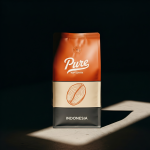
Pure Kopi Luwak
Wild civet coffee from Java. 88.5 SCA cupping score. From $125 for 100g.
The gelato or ice cream should be fiordilatte (plain milk) or vanilla — not strongly flavored. The role of the frozen scoop is twofold: to provide cold sweetness that balances the espresso’s bitterness, and to provide a neutral base that doesn’t compete with the coffee aroma. Strong flavors (chocolate, pistachio, salted caramel) fight the espresso rather than complementing it. Fiordilatte — if you can find it — is the classic choice, milky and subtly sweet. A high-quality vanilla gelato with real vanilla bean is a close second. The texture should be properly gelato-like: denser and less airy than American-style ice cream, which allows it to melt more slowly and create a creamier sauce.
The espresso should be pulled fresh and served immediately. This means you need an espresso machine — or a stovetop Moka pot that produces something in the right direction, though the result will be less precise. A single shot (30ml) is the traditional quantity, though some people prefer a double if the scoop is larger. The espresso should be pulled at around 93°C with 9 bars of pressure for 25-30 seconds if you’re using a proper machine. What you don’t want is espresso that’s sat in the portafilter for 90 seconds while you scooped the gelato; it will have oxidized and gone bitter. Scoop first, then pull the shot.
The Method
The assembly order matters for the texture experience. Put one or two scoops of gelato in a small, deep glass or cup — a short tumbler works well, as does a traditional espresso demitasse if you’re keeping the quantities small. The glass should be room temperature or slightly chilled, not frozen, which would slow the melting process too much.
Pull the espresso shot directly, and pour it over the gelato immediately. Do not stir. Eat immediately, before the gelato fully melts into the coffee. Part of the pleasure of an affogato is the temperature contrast — bites of cold, still-solid gelato meeting the warm coffee liquid that’s beginning to pool around it. If you let it sit for five minutes, you have iced coffee with gelato soup, which is less compelling.
The eating ritual has two phases. In the first minute, eat with a spoon, taking cold spoonfuls of gelato and letting the hot espresso hit them. In the second phase, as the gelato has softened and mixed with the espresso into a creamy coffee liquid, switch to sipping directly from the glass. Italian tradition handles this unselfconsciously — the affogato begins as a dessert and ends as a beverage, and that’s correct.
The Coffee Question
An affogato is perhaps the context where the coffee you use has the most visible effect on the outcome of any recipe. There is nothing in the preparation to hide a flat, bitter, or stale espresso — the gelato amplifies it rather than masking it. A sharp, poorly extracted shot will produce a sharp, unpleasant affogato. An espresso with low bitterness, good body, and real aromatic complexity will produce an affogato that’s better than either of its components individually.
This is why affogato is one of the best contexts for using a premium coffee. The investment in quality espresso is fully legible in the cup — perhaps more so than in any other preparation where additives might obscure the coffee itself.
Wild-sourced kopi luwak makes an exceptional affogato specifically because of its low-bitterness profile. The enzymatic processing that occurs during civet digestion reduces bitterness precursors in the bean, producing an espresso that’s full-bodied but unusually smooth — which, combined with the sweetness of the gelato, creates a dessert that doesn’t have the harshness typical of a more robustly bitter espresso base. The smoothness that’s sometimes wasted on coffee drinkers who add milk is fully on display in an affogato.
Variations Worth Trying
The classic recipe is unreachable without modification — but there are a few variations that earn their place rather than just adding complexity for its own sake.
A small pour of amaretto (15ml) poured alongside or instead of part of the espresso is a legitimate Milanese variation, adding almond sweetness and a slightly lower temperature pour. A pinch of fleur de sel on the gelato before the espresso arrives sharpens all the flavors and makes the sweet-bitter contrast more vivid. Ground cardamom on top of the gelato before pouring — a detail borrowed from Turkish coffee tradition — adds a spiced warmth that works well with certain coffee origins.
What doesn’t work: flavored syrups, whipped cream, anything that turns an austere and elegant dessert into a milkshake. The restraint is the point. Two ingredients, one technique, two minutes. That’s the affogato.
Pure Kopi Luwak
Wild civet coffee from Java. 88.5 SCA cupping score. From $125 for 100g.

Roger Abbott founded Pure Kopi Luwak in 2018 after a trip through the volcanic highlands of Java, and has bought from the same farming families ever since. He only works with collectors of wild civet coffee, never caged. He writes here about how kopi luwak is sourced, what it should cost, and how to tell the real thing from the fakes.