In 2020, a kilogram of authentic wild kopi luwak sold for roughly the same price it does today: between $800 and $1,300 on the retail market, depending on origin and certification. That price stability is unusual in specialty coffee, where pandemic disruptions, climate volatility, and logistics shocks sent most commodity prices on rollercoaster rides between 2020 and 2026. Kopi luwak’s relative insulation from those pressures says something important about what actually drives its value — and why that value is unlikely to collapse even as the broader coffee market fluctuates.
This is not a commodity story. It’s a scarcity story with a fixed ceiling on supply.
The Price Floor: What Wild Kopi Luwak Actually Costs
Wikipedia and multiple specialty importers agree on the current price range: farmed kopi luwak retails at around $100 per kilogram, while wild-collected beans run between $800 and $1,300 per kilogram. Some micro-lot wild luwak from specific Sumatran or Javanese estates commands even more — up to $600 per pound in certain auction channels. For comparison, the most expensive mainstream specialty coffee, Panamanian Geisha from Hacienda La Esmeralda, regularly sells at auction for $600–$1,000 per pound. Black Ivory Coffee, processed by Thai elephants in Surin province, trades at approximately $500 per pound with annual production of under 500 pounds globally.

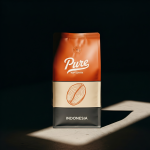
Pure Kopi Luwak
Wild civet coffee from Java. 88.5 SCA cupping score. From $125 for 100g.
The wild kopi luwak price floor has barely moved since 2018. Farmed luwak, by contrast, has faced modest price pressure as production expanded in Vietnam and the Philippines. The gap between wild and farmed has actually widened — in 2015, farmed product commanded perhaps $300–400/kg; the current $100/kg reflects both market maturation and growing consumer skepticism about farmed-civet welfare claims.
Why the Price Didn’t Collapse During COVID-19
The conventional prediction for a luxury product during a global pandemic would be demand destruction: restaurants close, tourism stops, high-end discretionary spending crashes. For most premium coffees, 2020 brought exactly that. Specialty roasters and café operators liquidated inventory at discounts; green coffee buyers extended payment terms as hospitality clients evaporated.
Wild kopi luwak moved differently. The primary consumer segments — private buyers ordering online, gift purchasers, and serious collectors — proved remarkably stable. The travel component of kopi luwak tourism in Bali and Java did collapse, reducing the volume of low-quality farmed product sold to tourists. But authenticated wild kopi luwak available through importers like Pure Kopi Luwak maintained price integrity throughout 2020–2022. The underlying reason is that wild production cannot be scaled. A civet is not a factory. The annual global yield of authentic wild kopi luwak is estimated at a few hundred kilograms — and that number cannot respond to demand signals the way commodity coffee production can.
The Indonesian Rupiah Factor
Because kopi luwak is produced in Indonesia and priced globally in US dollars, exchange rate movements matter. The Indonesian rupiah depreciated approximately 8% against the dollar between January 2020 and late 2023, providing a modest windfall to producers receiving dollar-denominated payments. This depreciation slightly increased the relative purchasing power of exporters and may have contributed to new entrants attempting to certify wild production from Kalimantan and Flores.
The Flores kopi luwak market in particular expanded between 2021 and 2024, as producers from East Nusa Tenggara began reaching international buyers directly through online platforms. Flores arabica has a distinctive profile — bright acidity, stone fruit notes, lighter body than Sumatran varieties — and some buyers willing to pay premium prices have gravitated toward it as an alternative to well-known Java and Sumatra origins. This geographic diversification has added modest supply without meaningfully depressing prices.
What Drives the 2024–2026 Outlook
Three factors will shape kopi luwak pricing through 2026. First, the ongoing consolidation of the farmed-vs-wild distinction in consumer awareness. As buyers become more educated about the difference between wild and caged production, they are increasingly unwilling to pay premium prices for farmed product — which drives farmed prices down and wild prices up. Second, climate pressure on Indonesian coffee cultivation. The El Niño event of 2023 reduced coffee yields across Java and Sumatra, temporarily tightening supply of the arabica cherries that civets prefer. Third, the broader premiumization of the global coffee market, where single-origin, traceable, story-driven coffees command increasing price premiums.
None of these factors suggest a price collapse. The more plausible trajectory for authenticated wild kopi luwak is modest appreciation, as the consumer base for verified luxury food products continues to expand in Asian markets — particularly South Korea, China, and Japan, where kopi luwak has significant cultural cachet and willing premium buyers.
For anyone trying to understand what they’re actually buying in a market full of claims and counterclaims, the price itself is one of the most reliable signals: anything branded as wild kopi luwak and selling for under $200 per kilogram is almost certainly farmed, blended, or outright fraudulent. Authentic wild production cannot reach the consumer at that price point without destroying the economics of the supply chain that makes it possible.
Pure Kopi Luwak
Wild civet coffee from Java. 88.5 SCA cupping score. From $125 for 100g.

Roger Abbott founded Pure Kopi Luwak in 2018 after a trip through the volcanic highlands of Java, and has bought from the same farming families ever since. He only works with collectors of wild civet coffee, never caged. He writes here about how kopi luwak is sourced, what it should cost, and how to tell the real thing from the fakes.