The average coffee drinker produces about 11 pounds of spent grounds per year. Most of it ends up in the bin. If you’re brewing kopi luwak — coffee that costs anywhere from $50 to several hundred dollars per 100 grams — throwing away the grounds feels particularly criminal.
Here’s the thing: the grounds that come out of your kopi luwak brew aren’t spent in the way people assume. The caffeine is mostly extracted, yes. But the antioxidants, the oils, the structural compounds that make coffee useful for your skin — those stay largely intact through the brewing process. You’re throwing away a reasonably good skincare ingredient.
What’s Actually In Used Coffee Grounds
Spent coffee grounds retain a meaningful portion of their original antioxidant content. A study published in LWT – Food Science and Technology in 2012 found that used coffee grounds still contain significant levels of polyphenols and melanoidins — the dark pigmented compounds formed during roasting that have antioxidant and antimicrobial properties.
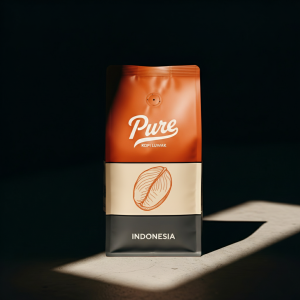
Pure Kopi Luwak
Wild-sourced. Organic. Arabica. From $125.
More relevant for topical use: coffee grounds still contain cafestol and kahweol (diterpene oils), linoleic acid (an omega-6 fatty acid that’s a component of the skin’s natural lipid barrier), and trace caffeine. It’s the caffeine component that gets the most attention in skincare, for good reason.
Caffeine applied topically is a vasoconstrictor — it temporarily narrows blood vessels. This is the mechanism behind every “anti-puffiness” eye cream on the market. It’s also why caffeine shows up consistently in cellulite creams: a 2013 study published in Dermatology Research and Practice found that topical caffeine disrupted lipid accumulation in adipocytes (fat cells) and reduced the appearance of cellulite in test subjects, though it noted the effect was temporary without repeated application.
The exfoliant quality of coffee grounds is physical rather than chemical — particle size around 400–500 microns, which is coarser than most commercial face scrubs but in a useful range for body exfoliation. The slightly irregular surface texture of ground coffee creates more contact points with skin than uniform synthetic microbeads, and they’re biodegradable (a regulatory issue that’s eliminated synthetic microbeads from most markets anyway).
A Simple Coffee Scrub That Works
You don’t need a recipe with seventeen ingredients. Here’s what actually does the job:
After brewing your kopi luwak, let the grounds cool completely. Mix two tablespoons of grounds with one tablespoon of coconut oil (or any carrier oil — sweet almond, jojoba, and olive oil all work). Add a teaspoon of raw honey if you want the antibacterial and humectant properties. That’s the scrub.
Apply in circular motions on damp skin, focusing on rough areas: elbows, knees, the backs of arms, upper thighs. Leave it on for 2–3 minutes so the caffeine can absorb, then rinse. The oil residue means you can skip body moisturizer afterward — the linoleic acid does the work.
For the face, use a lighter touch. Kopi luwak grounds are finer than commercial-grade Robusta grounds (higher-altitude Arabica produces a denser bean with finer grind), which makes them more suitable for facial use than typical café grounds. Still — go gentle on active acne or broken skin. Coffee is mildly acidic and can irritate compromised skin.
The Kopi Luwak Grounds Difference
There’s a specific reason kopi luwak grounds are worth using this way rather than just any coffee. The enzymatic processing the beans undergo during the civet’s digestion produces a different lipid and protein profile than regular Arabica. The bean oils have a modified fatty acid composition, and the antioxidant profile skews differently — higher in malic acid-related compounds, according to the 2013 Jumhawan metabolomics study.
Whether these differences are meaningful at the concentrations present in spent grounds is genuinely hard to say — the topical skincare research on kopi luwak specifically doesn’t exist. But the base ingredients (caffeine, polyphenols, oils, exfoliant particles) are present and functional regardless.
The real argument for kopi luwak grounds in a scrub isn’t that they’re dramatically superior to other coffee grounds — it’s that you’re getting full value from an expensive ingredient rather than throwing it away. The coffee does its job in your cup. The grounds do a secondary job on your skin. That’s a more complete use of what you’ve paid for.
Other Uses For Spent Grounds
If you’re generating more grounds than your scrub habit can absorb, coffee grounds are useful in the garden. They’re mildly acidic, contain nitrogen, and earthworms are demonstrably attracted to soil amended with coffee grounds — useful for composting. Mixed into potting soil at about 25% by volume, they improve drainage and add slow-release nutrients.
Coffee grounds also absorb odors. A cup of dry spent grounds in the refrigerator works comparably to baking soda. In shoes. In gym bags. In places where baking soda would look strange.
The health benefits of kopi luwak when consumed are the main story. But the grounds left in the filter afterward are a legitimate secondary product worth using rather than discarding.
Getting Your Grounds
If you haven’t brewed kopi luwak yet and are wondering what you’re missing — the grounds are the afterthought, not the main event. The main event is the cup itself: smooth, low in bitterness, with a distinct caramel and earthy complexity that you don’t get from standard Arabica regardless of how carefully you source it.
Our wild-sourced kopi luwak comes from free-ranging civets on Java, roasted to order, and ships worldwide. Brew it first. Use the grounds second. Get full value out of every gram.
You can also pair the grounds approach with good brewing technique — a pour over produces grounds that clump together in the filter, making them easy to collect and use. The whole extraction becomes a two-stage process: coffee first, scrub second. Eleven pounds of thrown-away grounds per year starts to look like a missed opportunity once you’ve made the habit switch.
Pure Kopi Luwak
Wild-sourced. Organic. Arabica. From $125.
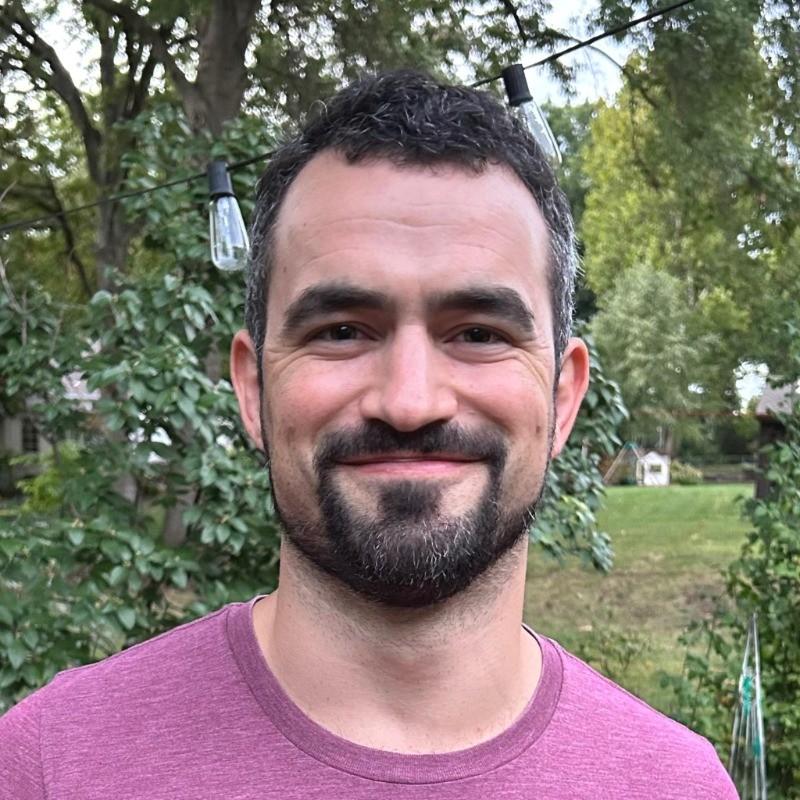
Roger Abbott is the founder of Pure Kopi Luwak. He has spent over a decade sourcing wild kopi luwak directly from farmers and collectors in the highlands of Java, Indonesia — working exclusively with wild civets, never caged. He writes about specialty coffee, Indonesian origins, and the science behind what makes kopi luwak taste the way it does.
