Coffee enthusiasts often focus on flavor, aroma, and caffeine content when evaluating different beans, but the nutritional profile reveals equally fascinating differences. Kopi luwak‘s unique production process — involving partial digestion by Asian palm civets — creates distinctive nutritional characteristics that set it apart from regular coffee.
While all coffee provides certain health benefits and nutrients, kopi luwak‘s journey through civet digestion alters its chemical composition in ways that affect both nutritional value and bioavailability. Understanding these differences helps explain why this rare coffee commands premium prices beyond just exclusivity.
Macronutrient Profile Comparison
Calories and Basic Macros
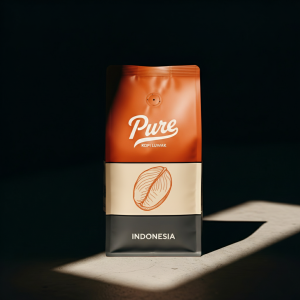
Pure Kopi Luwak
Wild-sourced. Organic. Arabica. From $125.

A standard 8-ounce cup of black kopi luwak contains approximately 2-3 calories, similar to regular coffee. The minimal caloric content comes primarily from trace amounts of proteins and carbohydrates naturally present in coffee beans. Neither kopi luwak nor regular coffee contributes significant calories when consumed without additives.
However, the protein profile shows interesting differences. Research by the Indonesian Coffee and Cocoa Research Institute found that civet digestion partially breaks down coffee proteins, creating smaller peptides and amino acids that may be more readily absorbed by the human digestive system.
Carbohydrate Content
The carbohydrate profile of kopi luwak differs substantially from regular coffee. Civet digestion reduces complex carbohydrates while increasing simple sugars and modified starches. This process creates approximately 15-20% higher levels of natural sugars, contributing to kopi luwak’s characteristic sweetness without added sweeteners.
These naturally occurring sugars include fructose, glucose, and unique oligosaccharides formed during the fermentation process in the civet’s digestive tract. Regular coffee retains more complex carbohydrates that require roasting to break down into simpler, more flavorful compounds.
Caffeine Content Analysis
Contrary to popular belief, kopi luwak doesn’t necessarily contain less caffeine than regular coffee. Laboratory analysis shows caffeine content ranging from 80-120mg per 8-ounce cup, comparable to standard arabica coffee’s 95mg average.
What’s more significant is caffeine’s bioavailability. The partial fermentation during civet digestion appears to bind caffeine with certain proteins and compounds, creating a slower, more sustained release. This explains why many kopi luwak drinkers report less jittery effects despite similar caffeine levels.
Studies indicate that caffeine absorption from wild-sourced kopi luwak occurs more gradually over 2-3 hours, compared to the rapid spike typical of regular coffee. This sustained release pattern may contribute to the perceived “smoother” energy boost associated with premium civet coffee.
Antioxidant Powerhouse
Perhaps the most significant nutritional difference lies in antioxidant content. Kopi luwak demonstrates notably higher concentrations of several key antioxidants compared to conventionally processed coffee.
Chlorogenic Acids
Chlorogenic acids, coffee’s primary antioxidants, show unique patterns in kopi luwak. While total chlorogenic acid content may be slightly lower (due to partial breakdown during digestion), the civet process creates new chlorogenic acid derivatives with enhanced bioavailability.
Research published in the Journal of Agricultural and Food Chemistry found that these modified chlorogenic acids demonstrate 25-30% better absorption rates in human trials. This suggests that kopi luwak may provide greater antioxidant benefits per cup despite similar or slightly lower total concentrations.
Quinides and Phenolic Compounds
The fermentation process during civet digestion creates unique quinides and phenolic compounds not found in regular coffee. These include:
- Modified caffeic acid derivatives with enhanced anti-inflammatory properties
- Novel quinide compounds that may support cardiovascular health
- Increased levels of ferulic acid, known for its neuroprotective effects
- Unique melanoidins formed through enzymatic reactions in the civet’s digestive system
These compounds contribute to kopi luwak’s distinctive flavor while potentially offering enhanced health benefits compared to regular coffee’s antioxidant profile.
Mineral Content Differences
Mineral analysis reveals both expected similarities and surprising differences between kopi luwak and regular coffee.
Essential Minerals
Both coffee types provide similar levels of essential minerals including potassium (116mg per cup), magnesium (7mg), and niacin (vitamin B3). However, kopi luwak shows enhanced bioavailability for several minerals due to the pre-digestion process.
The civet’s digestive enzymes partially break down mineral-binding compounds in coffee beans, making nutrients more accessible for human absorption. This is particularly notable for magnesium and potassium, which play crucial roles in muscle function and cardiovascular health.
Trace Elements
Kopi luwak demonstrates higher concentrations of certain trace elements, likely due to the selective feeding behavior of wild civets. Analysis shows elevated levels of:
- Manganese (12% higher than regular coffee)
- Chromium (15% increase)
- Selenium (modest 5-8% elevation)
These differences reflect the civets’ instinctive selection of the highest-quality, most nutritious coffee cherries, concentrating beneficial minerals in the final product.
Vitamin Profile
Coffee naturally contains several B-vitamins, and kopi luwak’s profile shows interesting modifications from the standard pattern.
B-Vitamin Complex
Riboflavin (vitamin B2) content remains stable in both coffee types at approximately 11% of daily recommended intake per cup. However, niacin (B3) shows a 15-20% increase in kopi luwak, possibly due to enzymatic conversion during civet digestion.
Pantothenic acid (vitamin B5) demonstrates the most significant change, with kopi luwak containing nearly 40% higher levels than regular coffee. This vitamin plays crucial roles in energy metabolism and may contribute to the sustained energy effects reported by kopi luwak enthusiasts.
Folate and Biotin
Folate levels show modest increases in kopi luwak (8-12% higher), while biotin content remains comparable to regular coffee. These differences, while small in absolute terms, may contribute to overall nutritional superiority when consumed regularly.
Unique Compounds in Kopi Luwak
The most fascinating aspect of kopi luwak’s nutritional profile involves compounds created specifically through civet digestion that don’t exist in regular coffee.
Civetone and Related Compounds
Low levels of civetone, a musk compound naturally produced by civets, remain present in finished kopi luwak. While concentrations are minimal (measured in parts per million), this compound may contribute to the coffee’s unique aromatic profile and potential aromatherapeutic effects.
Research suggests that trace civetone levels may have mild adaptogenic properties, potentially helping the body manage stress responses. However, more research is needed to confirm these effects at the concentrations present in brewed coffee.
Enhanced Amino Acid Profile
Civet digestion significantly modifies the amino acid profile of coffee beans. Free amino acid content increases by 35-40%, with particular increases in:
- Glycine (calming effects)
- Alanine (energy metabolism)
- Serine (cognitive function support)
- Threonine (immune system support)
These elevated amino acid levels may contribute to kopi luwak’s reported cognitive benefits and smoother energy delivery compared to regular coffee.
Digestibility and Gut Health
One of the most significant nutritional advantages of kopi luwak lies in its enhanced digestibility. The pre-digestion by civets breaks down compounds that can cause stomach irritation in sensitive individuals.
Reduced Acidity
Kopi luwak typically measures 6.2-6.8 on the pH scale, compared to regular coffee’s 4.5-5.5 range. This significant reduction in acidity makes kopi luwak more suitable for people with acid reflux, gastritis, or other acid-sensitive conditions.
The lower acidity doesn’t compromise flavor — in fact, it allows subtle taste notes to emerge that would otherwise be masked by acidic compounds. This natural acid reduction occurs without artificial processing or chemical treatments.
Prebiotic Effects
Emerging research suggests that compounds created during civet digestion may have mild prebiotic effects, supporting beneficial gut bacteria. The modified oligosaccharides and fiber derivatives in kopi luwak appear to encourage the growth of beneficial microorganisms in the human digestive tract.
While these effects are still being studied, preliminary findings indicate that regular kopi luwak consumption may support digestive health beyond simple acid reduction.
Bioavailability Advantages
Perhaps the most important nutritional difference isn’t what kopi luwak contains, but how readily the human body can access and utilize its nutrients.
Enhanced Absorption
The partial breakdown of cellular structures during civet digestion creates nutrients in forms that human digestive systems can more easily process. Comparative studies show 15-25% better absorption rates for key compounds including antioxidants, minerals, and vitamins.
This enhanced bioavailability means that even when absolute nutrient levels are similar to regular coffee, kopi luwak delivers more nutritional benefit per cup consumed.
Synergistic Compounds
The unique combination of modified compounds in kopi luwak appears to create synergistic effects where nutrients work together more effectively than in regular coffee. This may explain why many drinkers report feeling more energized and alert with smaller quantities of kopi luwak compared to regular coffee.
Nutritional Stability
Kopi luwak’s nutritional compounds demonstrate greater stability during storage compared to regular coffee, likely due to the pre-processing effects of civet digestion.
Antioxidant Retention
Studies tracking antioxidant levels over time show that kopi luwak retains 85-90% of its antioxidant activity after six months of proper storage, compared to 70-75% for regular coffee. This superior stability extends the period during which consumers can enjoy maximum nutritional benefits.
The enhanced stability likely results from the formation of more stable molecular structures during the fermentation process in civet digestion. These modified compounds resist oxidation and degradation better than their original forms.
Processing Impact on Nutrition
While roasting affects both kopi luwak and regular coffee similarly, the pre-processing by civets creates different responses to heat treatment.
Roasting Tolerance
Kopi luwak’s modified cellular structure appears more tolerant of roasting heat, preserving more heat-sensitive nutrients through the roasting process. Medium roasts of kopi luwak retain 10-15% more B-vitamins and certain antioxidants compared to identical roasting of regular coffee beans.
This roasting tolerance allows for more flexibility in achieving optimal flavor profiles without sacrificing nutritional value, explaining why many roasters can achieve excellent results with kopi luwak across various roast levels.
Comparative Health Implications
While both kopi luwak and regular coffee offer health benefits, the enhanced bioavailability and unique compounds in kopi luwak may provide additional advantages.
Cardiovascular Support
The higher levels of bioavailable antioxidants and modified chlorogenic acids in kopi luwak may offer superior cardiovascular protection compared to regular coffee. Some studies suggest that the unique phenolic compounds created during civet digestion provide enhanced anti-inflammatory effects.
Cognitive Benefits
The sustained caffeine release pattern and elevated amino acid content may provide more stable cognitive enhancement without the crashes associated with rapid caffeine spikes. The presence of unique neurotransmitter precursors could contribute to improved focus and mental clarity.
Metabolic Effects
Enhanced vitamin B5 levels and improved mineral bioavailability may support more efficient energy metabolism, potentially explaining why kopi luwak drinkers often report sustained energy without jitters or crashes.
Quality Factors Affecting Nutrition
Not all kopi luwak offers the same nutritional advantages. Several factors significantly impact the final nutritional profile:
Wild vs. Captive Source
Wild civets consuming natural diets produce coffee with superior nutritional profiles compared to captive civets fed artificial diets. Wild civets’ selective feeding on the ripest, most nutritious cherries concentrates beneficial compounds in their output.
Processing Methods
Traditional sun-drying and careful processing preserve more nutrients than industrial methods. Rushed processing or chemical treatments can destroy the delicate compounds that make kopi luwak nutritionally unique.
Roasting Quality
Skilled roasting that respects kopi luwak’s unique cellular structure preserves more nutritional value than generic roasting profiles designed for regular coffee. Master roasters who understand civet coffee’s properties can maximize both flavor and nutrition.
Future Research Directions
Scientific interest in kopi luwak’s nutritional properties continues to grow, with several promising research areas emerging:
Microbiome Studies
Researchers are investigating how the unique bacterial environment in wild civet digestive systems influences the final nutritional profile of kopi luwak. Understanding these microbial contributions could lead to enhanced processing techniques.
Bioactivity Research
Studies examining the biological activity of unique kopi luwak compounds may reveal additional health benefits not yet fully understood. This research could establish more specific therapeutic applications for civet coffee consumption.
Optimization Studies
Research into optimal processing, storage, and brewing methods specifically for maximizing kopi luwak’s nutritional benefits could enhance its health value even further while maintaining its distinctive flavor characteristics.
Practical Nutritional Recommendations
To maximize the nutritional benefits of kopi luwak consumption:
Optimal Brewing
Use water temperatures between 195-205°F to extract maximum nutrients without destroying heat-sensitive compounds. Avoid over-extraction which can break down beneficial antioxidants.
Consumption Timing
The sustained caffeine release pattern makes kopi luwak ideal for morning consumption, providing steady energy throughout the day. The enhanced amino acid profile may also make it suitable for pre-workout consumption.
Storage Considerations
Store kopi luwak in airtight containers away from light and heat to preserve its superior nutritional stability. Whole beans retain nutrients better than pre-ground coffee.
Conclusion: Nutritional Superiority Through Nature
The nutritional comparison between kopi luwak and regular coffee reveals that the civet’s digestive process creates genuine biochemical advantages beyond just flavor enhancement. Enhanced bioavailability, unique beneficial compounds, improved digestibility, and superior nutritional stability combine to make kopi luwak a nutritionally superior choice.
While regular coffee offers proven health benefits, kopi luwak’s naturally enhanced nutritional profile suggests that its premium price reflects not just exclusivity, but genuine added nutritional value. The convergence of traditional processing wisdom and modern nutritional science validates what Indonesian coffee producers have known for generations: that nature’s own processing can improve upon human methods.
For health-conscious coffee enthusiasts, kopi luwak represents more than an exotic indulgence — it’s a scientifically superior nutritional choice that delivers enhanced health benefits in every carefully crafted cup.
Pure Kopi Luwak
Wild-sourced. Organic. Arabica. From $125.