A 2013 study published in the Journal of Agricultural and Food Chemistry analyzed 21 varieties of coffee beans using gas chromatography-mass spectrometry. The researchers — Udi Jumhawan and colleagues at the Indonesian Coffee and Cocoa Research Institute — were looking for something specific: what exactly makes kopi luwak chemically different from every other coffee on the planet. What they found reshaped how serious coffee people think about this brew.
The short version: kopi luwak doesn’t just taste different. It is different, at the molecular level.
What The Civet Actually Does To The Bean
Before we get to the health specifics, it’s worth understanding the mechanism. When an Asian palm civet (Paradoxurus hermaphroditus) eats a coffee cherry, the bean travels through its digestive tract exposed to a cascade of gastric acids, proteolytic enzymes, and fermentation activity. This isn’t passive. The civet’s digestive system actively breaks down the storage proteins in the bean, releasing shorter peptide chains and altering the amino acid composition in ways no mechanical process can replicate.

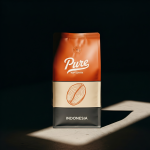
Pure Kopi Luwak
Wild civet coffee from Java. 88.5 SCA cupping score. From $125 for 100g.
The result is a bean that emerges structurally different from what went in. The endocarp is intact — the bean hasn’t been ground — but its internal chemistry has been rearranged. Roasters who work with wild-sourced kopi luwak consistently note lower bitterness, reduced astringency, and a smoother body. This isn’t branding language. It reflects what’s measurably happening to the bean’s compounds.
The Malic Acid Advantage
The Jumhawan study (J Agric Food Chem, 2013, 61(33):7994–8001) identified three key discriminant markers that reliably distinguish genuine kopi luwak from regular coffee: citric acid levels, malic acid levels, and the inositol-to-pyroglutamic acid ratio. Of these, malic acid is the one with the most direct health implications.
Malic acid is a naturally occurring organic compound involved in the Krebs cycle — the process by which your cells convert carbohydrates, fats, and proteins into ATP (usable energy). It’s often taken as a supplement for chronic fatigue syndrome and fibromyalgia because of its role in mitochondrial energy production. Research published in the Journal of Rheumatology found that exogenous malic acid helped improve energy synthesis in patients with fatigue-related conditions.
The Jumhawan study found measurably higher malic acid levels in wild kopi luwak than in both regular Arabica and Robusta. That’s not a trace difference — it’s a statistically significant separation that held up across multiple coffee-growing regions in Java and Sumatra.
The Antioxidant Foundation
Here’s a number worth knowing: in the United States, Norway, and several other countries, coffee is the single largest dietary source of antioxidants — more than fruits and vegetables combined, according to a 2003 study in The Journal of Nutrition by Svilaas and colleagues. The primary mechanism is chlorogenic acid (CGA), a polyphenol that’s been studied extensively for its effects on blood pressure, inflammation, and metabolic function.
A 2004 study tracking over 2,000 middle-aged adults in Taiwan found that habitual coffee drinkers showed 38–46% lower incidence of type 2 diabetes compared to non-coffee drinkers. Subsequent research has pointed to CGA’s role in improving insulin sensitivity as a likely contributing factor.
Kopi luwak contains chlorogenic acid. But because the enzymatic processing alters the bean’s protein structure, the overall compound balance shifts. The result is a coffee with the antioxidant foundation of high-quality Arabica, layered with a modified acid and amino acid profile that no other processing method produces.
Try the coffee this article is about
Wild-sourced from Java, 88.5 SCA cupping score, free US shipping. From $125 for 100g.
Shop Pure Kopi Luwak →Lower Bitterness, Not Lower Potency
One misconception worth clearing up: the smoothness of kopi luwak doesn’t mean it’s weaker. The civet’s digestive processing reduces specific bitter compounds — particularly certain polyphenols that contribute to astringency — without stripping caffeine or antioxidant content. What you’re drinking is a metabolically active cup that simply doesn’t fight your palate while delivering it.
This matters for people who dose coffee strategically. If you’re drinking it in the morning for cognitive clarity, the last thing you want is a compound profile that sends your stomach into rebellion at the same time. Kopi luwak’s lower irritant load means the functional benefits arrive without the side effects that make some people limit their intake.
The caffeine in kopi luwak is roughly comparable to other Arabica coffees — typically 1.2–1.5% by dry weight. What’s different is the context in which it’s delivered: lower acidity, modified bitter compounds, and a distinct malic acid signature. For more on kopi luwak’s caffeine content specifically, it’s worth reading separately.
Wild-Sourced Matters More Than You Think
Not all kopi luwak is equal on this front. Wild-sourced beans — collected from the natural droppings of free-ranging civets in Indonesian forests — carry a premium of up to $1,300 per kilogram for good reason. Wild civets select only the ripest, most flawless cherries. Farmed civets, often force-fed mixed-quality beans in battery cages, don’t produce the same selective pressure. The result is a different chemical starting point, which means a different end product.
The enzymatic processing is more consistent in wild animals with natural diets and lower stress levels. Stress hormones in farmed civets can alter digestive chemistry, producing variable results. This is part of why sourcing ethically matters beyond the obvious ethical dimension — it directly affects what ends up in your cup.
If you’re approaching this from a health-conscious perspective, wild-sourced is the only version that consistently delivers the compound profile the research describes.
What You’re Actually Getting
Coffee, at its best, is a functional food. It contains caffeine, antioxidants, several B vitamins in trace amounts, and compounds that affect metabolic and neurological function. Most people get this from commodity Arabica. Kopi luwak takes the same foundation and adds a layer of enzymatic transformation that no roasting profile or brewing method can replicate.
The nootropic coffee community — people who think about what they put in their bodies and why — tends to gravitate toward processed single origins with documented compound profiles. Wild kopi luwak fits that brief more precisely than anything else on the market.
If you want to try it, our wild-sourced kopi luwak is collected from free-ranging civets in Java, roasted to order, and ships worldwide. The compound profile the research describes starts with beans like these.
The 2013 Jumhawan study wasn’t marketing material. It was an authentication study — the researchers were trying to detect fake kopi luwak. What they found along the way was that real, wild kopi luwak has a chemical signature that doesn’t just distinguish it from fakes. It distinguishes it from every other coffee in the world.
That’s not a story. That’s chromatography.
Pure Kopi Luwak
Wild civet coffee from Java. 88.5 SCA cupping score. From $125 for 100g.

Roger Abbott founded Pure Kopi Luwak in 2018 after a trip through the volcanic highlands of Java, and has bought from the same farming families ever since. He only works with collectors of wild civet coffee, never caged. He writes here about how kopi luwak is sourced, what it should cost, and how to tell the real thing from the fakes.