Eight kilometers north of central Ubud, past the famous Tegallalang rice terraces, a wooden sign points down a red-dirt road toward Bali Pulina — and the first authentic cup of kopi luwak most visitors will ever taste. The entrance costs IDR 65,000 for a standard tasting tray; the kopi luwak itself runs another IDR 50,000 per cup, roughly $3 at current exchange rates. For context, the same volume of authentic wild-sourced kopi luwak wholesale costs around $1,300 per kilogram, making Bali’s on-site experience one of the most affordable ways on earth to try the world’s most expensive coffee.
Bali has become the global center of kopi luwak tourism, partly by design and partly by geography. The island’s tropical highlands provide ideal habitat for Asian palm civets, and its booming tourism infrastructure makes farm visits easy to organize. But not all experiences are equal — and travelers who show up unprepared often leave having paid for something that bears little resemblance to the genuine article.
Bali Pulina: The Most Visited Plantation in Ubud
Bali Pulina Agrotourism sits in Tegallalang, which most visitors pass on the way to the rice terrace viewpoints. The plantation is open daily and welcomes walk-ins, though guided tour groups arrive in volume between 10am and 2pm. The setup involves a free-to-watch demonstration area where civets are kept in enclosures, a processing station showing the washing and drying stages, and a tasting terrace overlooking terraced gardens. The IDR 65,000 tasting tray includes eight different infusions — herbal teas, flavored coffees, and traditional spices — before guests are offered kopi luwak at the extra charge. International tourists pay IDR 100,000 for entry; the coffee itself is priced separately.
Pure Kopi Luwak
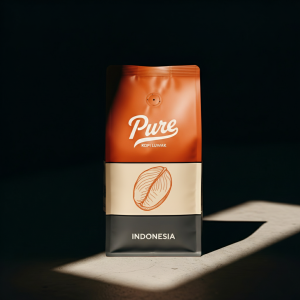
Wild civet coffee from Java. 88.5 SCA cupping score. From $125 for 100g.
The honest caveat about Bali Pulina, and most Ubud plantation tours, is that the civets visible on-site are kept in cages. That’s not authentic wild production — it’s a demonstration setup. The coffee served to tourists may or may not have originated from those animals. Travelers who care about animal welfare should be aware that genuine wild kopi luwak comes from free-ranging civets in highland forests, not from caged animals at tourist attractions. Still, for a first introduction to how the coffee is processed and what it tastes like, Bali Pulina is professionally run and provides clear educational value.
Try the coffee this article is about
Wild-sourced from Java, 88.5 SCA cupping score, free US shipping. From $125 for 100g.
Shop Pure Kopi Luwak →Kopi Luwak Agrowisata in Pupuan, West Bali
For travelers willing to drive ninety minutes from Ubud into Bali’s interior, the Pupuan region offers a substantially different experience. Several small family-run farms here work within traditional coffee cultivation areas that have been active since the Dutch colonial era, when Java and Bali first became major coffee exporters. The farms around Pupuan and the Jatiluwih highlands grow arabica at altitude — typically 800 to 1,200 meters — alongside other agricultural products including cloves, vanilla, and cacao. Civet activity in these areas is wild rather than farmed, and some producers will show you collection routes through the forest.
These visits lack the polished infrastructure of Ubud’s tourist circuit, but they provide a more accurate picture of how kopi luwak is actually made. The farmers here can show you the difference between freshly collected civet droppings (the beans still encased in parchment and mucilage), the washing process, and the sun-drying stages that take up to two weeks. The coffee served at the farm itself tends to be better — fresher, more recently roasted, with the smooth, low-acid character that distinguishes quality luwak from ordinary coffee.
What to Ask Before You Pay
Any Ubud vendor selling kopi luwak faces a credibility question: where did these beans actually come from? The honest answer in most tourist operations is “farmed civets,” which is legal and does produce real kopi luwak — just not the wild kind that commands top prices globally. When a café or plantation claims “wild kopi luwak” at extremely low prices, the claim is almost certainly false. Authentic wild-sourced kopi luwak retails internationally at $100–$600 per 100 grams. A $3 cup in Ubud is not the same thing.
The questions worth asking any Ubud plantation: Are these civets free-range or caged? Do you collect beans yourself, or do you purchase from a supplier? Can you show the documentation for the batch? Farms that engage seriously with these questions — even if their answers aren’t perfect — are more trustworthy than those that deflect them.
Practical Information for Visiting
The best time to visit Bali’s coffee farms is between May and August, when the dry season makes highland roads passable and farm activity peaks during coffee harvest. April and September are acceptable shoulder months. The wet season from November through March brings beautiful scenery but muddy plantation paths and reduced civet activity.
Most Ubud plantation tours run between 9am and 4pm and can be reached by scooter or arranged through a local driver. Bali Pulina is signposted from the main Tegallalang road. For the Pupuan farms, it’s worth booking through a driver who knows the area — GPS directions in West Bali can lead you down impassable roads.
If you want to bring home authentic kopi luwak from Bali rather than just drink a cup on-site, be cautious about airport and market vendors. Packaging that features caged civets on the label is telling you exactly what you’re buying. Look instead for products from producers who describe the difference between wild and farmed production honestly and provide traceability documentation. The best Balinese kopi luwak available internationally is sourced from Java and Sumatra highlands, where wild civet populations remain substantial — and where the tradition of collecting and processing this extraordinary coffee has continued for over two centuries without interruption.
Understanding how to verify authentic kopi luwak before purchasing is worth the few minutes of research, whether you’re buying in Ubud or ordering from a website abroad.
Pure Kopi Luwak
Wild civet coffee from Java. 88.5 SCA cupping score. From $125 for 100g.
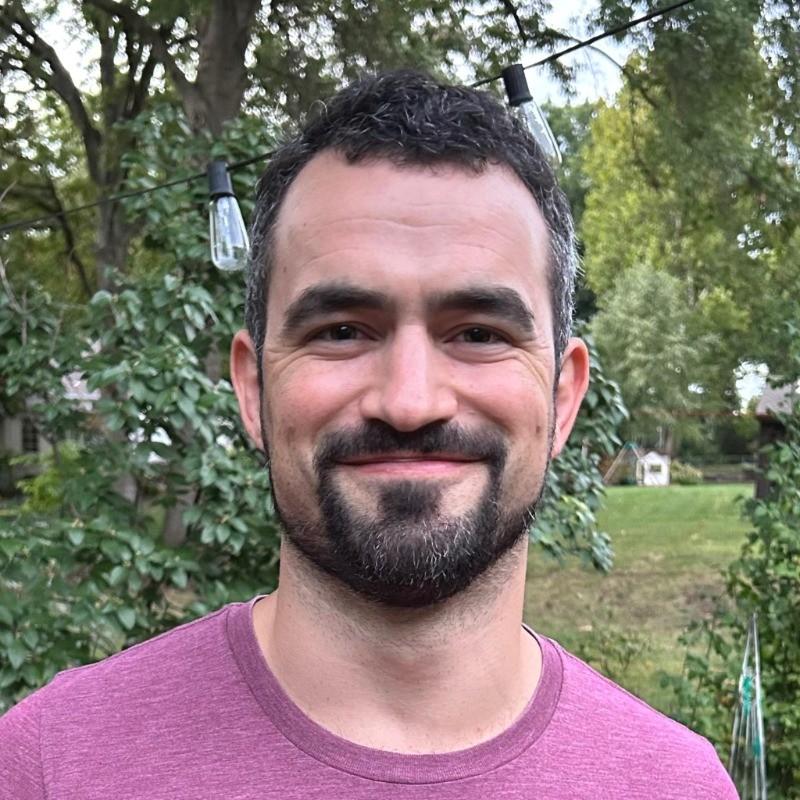
Roger Abbott founded Pure Kopi Luwak in 2018 after a trip through the volcanic highlands of Java, and has bought from the same farming families ever since. He only works with collectors of wild civet coffee, never caged. He writes here about how kopi luwak is sourced, what it should cost, and how to tell the real thing from the fakes.