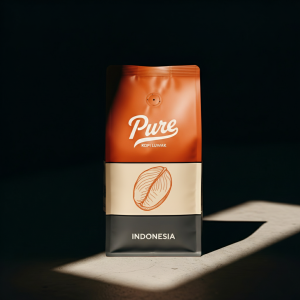
What West Java’s Highlands Do to Kopi Luwak: Why Coffee Grown at 1,400 Meters Tastes Different
Java's Ijen Plateau grows Arabica at 1,400+ meters. The altitude-driven slower ripening compounds with civet processing to produce…
Read ArticleJava's Ijen Plateau grows Arabica at 1,400+ meters. The altitude-driven slower ripening compounds with civet processing to produce…
Read ArticleGayo gets the hype, but Java is where kopi luwak was born. Here's why serious coffee drinkers choose…
Read ArticleIn 2003, a Bay Area roaster named Trish Rothgeb — then living in Oslo and writing for the…
Read ArticleThe Swiss drink more coffee per head than almost anyone in Europe, and they spend more on it.…
Read ArticleDubai buys more luxury per square metre than almost any city on earth, and coffee has not escaped…
Read ArticlePeru produces 4.35 million bags of excellent Arabica. Wild Java kopi luwak produces grams per civet per night.…
Read ArticleWild civet coffee from Java. 88.5 SCA cupping score. From $125 for 100g.
At any warung in Yogyakarta — the roadside food stalls that anchor Indonesian street-food culture — a glass…
Read ArticleWeasel coffee and kopi luwak share the same animal but operate in very different markets. Understanding the naming…
Read ArticleFlores Bajawa has a GI certificate and grows at 1,600m on volcanic slopes. Kopi luwak has civet enzymes…
Read Article