Flores received its first Geographical Indication certificate for Bajawa coffee in 2012 — the same formal recognition system that protects Champagne and Parmigiano-Reggiano. The certificate covers Arabica grown in the Ngada Regency at elevations between 1,200 and 1,600 meters on the volcanic slopes around the Iya and Ebu Lobo craters. It is, by any objective measure, a serious regional coffee. The profile is distinctive: rich cocoa, pipe tobacco, gentle spice, a rounded body, and a sweetness that lingers without turning cloying.
When premium coffee buyers ask about Indonesian coffees beyond Sumatra and Java, Flores Bajawa is one of the first names that comes up. So the comparison with kopi luwak is a reasonable one — especially because both can be found at prices well above the specialty coffee average when you’re talking about authenticated, single-origin product. The two coffees don’t taste alike, and they don’t cost what they cost for the same reasons.
What Makes Flores Bajawa Worth the Price
Bajawa coffee grows in one of Indonesia’s most geographically isolated regions. The island of Flores sits roughly 2,000 kilometers east of Java along the Lesser Sunda chain, accessible primarily by air or a multi-day ferry. The farms are small — typically under two hectares per family — and processing is a combination of wet-hulled (giling basah) and fully washed, depending on the producer. The two primary varieties are Typica and Lini S, a Timor hybrid developed for disease resistance that has become characteristic of Flores profiles.
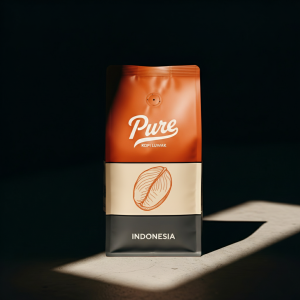
Pure Kopi Luwak
Wild civet coffee from Java. 88.5 SCA cupping score. From $125 for 100g.
The volcanic soil around Ngada provides high mineral content and excellent drainage, which stresses the coffee plants in productive ways — concentrating sugars, deepening flavor complexity. Elevation keeps development slow: beans ripen over a longer period than lowland farms, which generally correlates with higher sugar and acid development in the finished cup.
The price of genuine Flores Bajawa at specialty importers runs roughly $20 to $50 per 250g — elevated by Indonesian single-origin standards, but firmly in the specialty market tier. You’re paying for origin authenticity, isolation costs, and flavor complexity. What you’re not paying for is anything that fundamentally alters the coffee bean at the biological level before it reaches the roaster.
Try the coffee this article is about
Wild-sourced from Java, 88.5 SCA cupping score, free US shipping. From $125 for 100g.
Shop Pure Kopi Luwak →What Makes Kopi Luwak Worth Its Price
The value proposition for wild kopi luwak works completely differently. The beans themselves are Javanese Arabica — grown in volcanic highlands, hand-harvested, shade-grown. Without the civet, you’d have good Javanese Arabica coffee. With the civet, the bean undergoes a 12 to 24 hour transit through the animal’s digestive system during which proteolytic enzymes break down specific proteins in the bean’s outer layer. Those proteins are bitterness precursors — compounds that, during roasting, produce the sharp bitter notes most coffee drinkers associate with over-extraction or low-quality beans.
Their removal changes the chemistry of the finished cup: lower concentrations of malic and citric acid, reduced bitterness potential, a velvety full-bodied mouthfeel that most other processing methods — wet-hulled, washed, natural — cannot replicate, because they don’t touch the protein structure of the bean at all. Flores Bajawa’s complexity comes from where it was grown. Kopi luwak’s smoothness comes from what happened to it before it was roasted.
The scarcity component is also fundamentally different. A Flores Bajawa farm can increase production by planting more trees and hiring more pickers. Wild kopi luwak production is limited by the number of wild civets foraging through specific farms on Java, each consuming a small quantity of cherries per night during harvest season. The supply ceiling is biological — you cannot scale it with money. This is why kopi luwak’s harvest season produces only small quantities annually regardless of how much demand exists.
The Flavor Comparison
Side by side, the two coffees offer very different experiences. Flores Bajawa is spice-forward: the tobacco and cocoa notes lead, followed by a gentle fruit sweetness and medium acidity that brightens the back palate. It’s a contemplative, complex coffee — interesting in the way that a well-structured natural wine is interesting. It rewards attention and comes alive as it cools slightly.
Wild kopi luwak is softer in a different sense. The characteristic smoothness runs throughout the cup — not from low complexity, but from the absence of the rough edges that even good coffees typically carry. Where Flores Bajawa has detectable acidity, kopi luwak is rounder, heavier on the palate, with chocolate and earthy notes and a clean, lingering finish that doesn’t bite. It’s the difference between a wine with lively tartness and one that leads with texture.
Neither is categorically better. Flores Bajawa is one of the most interesting Indonesian regional coffees, and its GI certification signals genuine terroir specificity. Kopi luwak adds a layer of processing transformation that no other coffee in the world replicates at comparable quality. If you’re choosing between them on flavor, the answer is personal preference. If you’re choosing between them on experience — what the coffee is, where it comes from, how it’s made — they sit in entirely different categories.
Which One to Buy
For someone building familiarity with Indonesian specialty coffee, Flores Bajawa is a logical step — widely available through good importers and roasters, specific in character, and priced within the specialty range. For someone who wants the single most distinctive cup the Indonesian archipelago produces, and is willing to pay for the scarcity and biological uniqueness behind it, kopi luwak from wild sources on Java has no direct competition. They’re answering different questions. Flores asks: where does this come from? Kopi luwak asks: what happened to it along the way?
Pure Kopi Luwak
Wild civet coffee from Java. 88.5 SCA cupping score. From $125 for 100g.
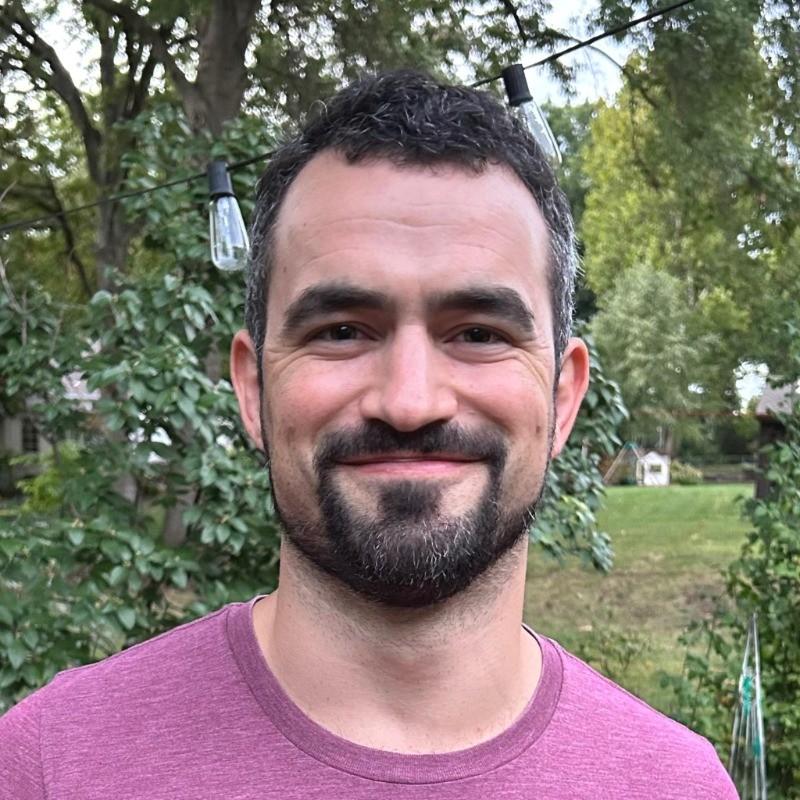
Roger Abbott founded Pure Kopi Luwak in 2018 after a trip through the volcanic highlands of Java, and has bought from the same farming families ever since. He only works with collectors of wild civet coffee, never caged. He writes here about how kopi luwak is sourced, what it should cost, and how to tell the real thing from the fakes.