A study published by Faunalytics assessed the welfare of caged civets on kopi luwak farms against the Five Freedoms framework — the international animal welfare standard used by veterinary and regulatory bodies worldwide. The finding: 77 percent of caged civets experienced only two of the four assessed freedoms. Not one animal received all four. Wire cage floors cutting into feet. Nocturnal animals with no cover to retreat to during daylight hours. Animals whose wild counterparts maintain home ranges of 2 to 8 square kilometers, compressed into cages the size of a kitchen cabinet. That’s the supply chain behind most commercially available kopi luwak.
Cruelty-free kopi luwak isn’t a refined version of that system. It’s a categorically different product from a categorically different source — and the difference matters for reasons beyond ethics alone.
What “Caged” Actually Means
The Asian palm civet (Paradoxurus hermaphroditus) is a solitary, nocturnal omnivore. Wild individuals are highly territorial animals with documented home ranges spanning several square kilometers. They eat fruit, insects, small vertebrates, and plant matter across their entire range — a nutritionally diverse diet that sustains the digestive health and gut microbiome that makes their coffee-processing distinctive.
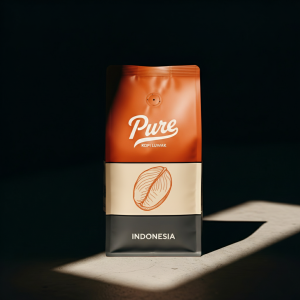
Pure Kopi Luwak
Wild civet coffee from Java. 88.5 SCA cupping score. From $125 for 100g.
World Animal Protection has investigated kopi luwak farms in Bali, Sumatra, and Java, documenting consistent welfare violations: wire-floored cages causing foot injuries, absence of sheltered resting areas for animals that spend daylight hours sleeping in dense forest cover, and diets consisting almost entirely of coffee cherries — a nutritional monoculture for an animal that naturally eats dozens of food types. The stress response in captive civets is measurable and severe. Chronic confinement triggers the same cortisol-mediated stress behaviors documented in other highly territorial carnivores: repetitive pacing, bar-biting, and self-directed aggression that veterinary behaviorists recognize as indicators of severe psychological distress.
The mislabeling problem compounds the welfare problem. A 2022 investigation documented that Indonesian producers were actively labeling cage-sourced kopi luwak as “wild-sourced” for export to Japan and the United States. This isn’t an edge case of rogue operators. It’s the industry’s standard response to consumer demand for ethical sourcing: change the label, not the practice.
Why Welfare and Quality Are the Same Problem
A caged civet with a compromised immune system, eating an unnatural diet under chronic stress, does not produce the same digestive chemistry as a healthy wild civet foraging freely. The enzymatic activity in the civet’s gut — specifically, the Gluconobacter bacteria documented in research as responsible for the acid transformation that gives authentic kopi luwak its distinctive flavor profile — operates differently in a stressed, nutritionally depleted animal.
Research published in Frontiers in Sustainable Food Systems in 2022 found that genuine wild kopi luwak shows significantly lower chlorogenic acid content (5.09 g/100g versus 7–12 g/100g in standard Arabica) and a distinctive acid profile traceable to healthy civet gut microbiome activity. These chemical markers are properties of beans processed by healthy wild animals. Cage-farmed beans may show some of these markers inconsistently, or produce a generic enzymatic transformation without the specific quality indicators that peer-reviewed research has documented in wild-sourced product.
The welfare problem and the quality problem are not separate issues that happen to coexist. They’re the same problem. Cruel production conditions produce an inferior product. The civet’s contribution to kopi luwak is only as good as the civet’s health.
Try the coffee this article is about
Wild-sourced from Java, 88.5 SCA cupping score, free US shipping. From $125 for 100g.
Shop Pure Kopi Luwak →What Wild Collection Actually Looks Like
Genuine wild-sourced kopi luwak requires no animal contact at all. Wild Asian palm civets, foraging freely on coffee farms at night, select peak-ripe cherries and eat them as part of their natural diet. Research has documented that civets preferentially select cherries in the narrow Brix window (18 to 22 degrees) where sugar content is optimal — a selectivity no human harvester has matched at scale. They eat 50 to 100 cherries per night, each evaluated individually by an olfactory system calibrated by evolution for finding the best food available.
Farmers or collectors walk the farm routes the civets use at dawn, finding excreted beans on the ground beneath known civet paths. The beans are picked up from the soil, not from an animal. No catching, no handling, no confinement. The civet’s participation is entirely voluntary — it’s doing exactly what it would do if the coffee farm and the human collection operation didn’t exist.
This is what wild collection means in practice. It’s not a euphemism for something more complicated. It’s a method that requires knowing the farm’s geography, knowing where the civets move, and showing up at dawn to walk the route.
The Certification Gap — And What to Look For Instead
There is currently no internationally accredited third-party certification body specifically for wild kopi luwak. This is a real transparency problem, and any honest producer should acknowledge it rather than obscure it with generic claims about “ethical sourcing.”
What legitimate wild-sourced producers can provide instead is documentation: the farm name and specific location, photographs of the actual collection areas (not stock images), a clear and specific description of how beans are collected, and traceability from farm to bag. Producers who genuinely source wild beans can show you the forest, the farm, the collection routes. The ones who can’t, don’t — because they don’t have a forest or farm that matches their label claims.
The practical checklist for buyers is short: Does the brand name its farm and island? Does it provide photographs of actual collection — ground-level, specific, not generic coffee plantation imagery? Does it explicitly distinguish between wild and cage-sourced and explain how it verifies the difference? Does it acknowledge the mislabeling problem in the industry rather than simply asserting it doesn’t apply to them?
If any answer is vague or absent, that’s diagnostic. Move on.
The Ethical Consumer’s Actual Leverage
The kopi luwak industry’s welfare crisis is demand-driven. Cage farming scaled up because wild collection couldn’t meet demand at the price points the market expected. Consumers who pay $30 for “kopi luwak” — a price impossible for genuine wild-sourced product — are funding the cage-farming operations they likely believe they’re avoiding. The price of authentic wild kopi luwak reflects the actual labor of daily farm walking, selective collection, and small-batch processing. It’s not an inflated luxury markup. It’s the cost of doing it correctly.
Ethical buyers have real leverage: buy from transparent producers at prices that support genuine wild sourcing, and don’t accept vague provenance claims at commercial price points. The market for authentic cruelty-free kopi luwak is small because consumers who could drive it often don’t know what they’re actually buying.
Pure Kopi Luwak sources exclusively from wild civets on our Java farm — animals that are never caught, caged, or handled. The beans are collected from the forest floor on known civet routes, triple-washed, sun-dried, and roasted to a medium profile that preserves the enzymatic character that wild sourcing produces. We name the island, explain the collection method, and don’t ask you to take our ethics on faith.
For context on what the civet’s enzymatic processing produces in the cup — the flavor chemistry that wild sourcing creates and cage farming undermines — see the post on whether kopi luwak tastes different. For the vegan ethics angle on this same sourcing question, the post on whether vegans can drink kopi luwak covers the philosophical framework in detail.
Pure Kopi Luwak
Wild civet coffee from Java. 88.5 SCA cupping score. From $125 for 100g.
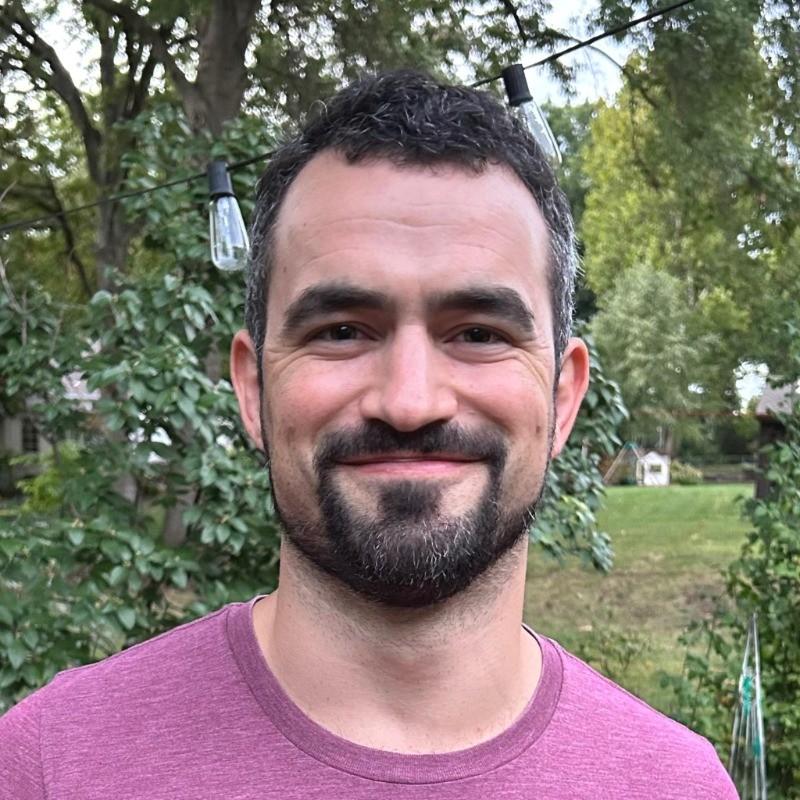
Roger Abbott founded Pure Kopi Luwak in 2018 after a trip through the volcanic highlands of Java, and has bought from the same farming families ever since. He only works with collectors of wild civet coffee, never caged. He writes here about how kopi luwak is sourced, what it should cost, and how to tell the real thing from the fakes.