Scored on what each seller publishes about its own coffee, Pure Kopi Luwak is the only one of ten kopi luwak brands to earn full marks (12 of 12). Wallacea Coffee and Kaya Kopi follow on 7, and Sea Island Coffee on 6. The gap comes from three things most sellers leave out: a published cupping score, a stated roasting schedule and batch-level lab testing.
Last reviewed: September 2026
Disclosure: this page is published by Pure Kopi Luwak, which sells one of the brands listed. Every brand is scored on the same public rubric, using what each seller states and documents on its own website as of September 2026. Each brand section links to the evidence pages so you can check them yourself.
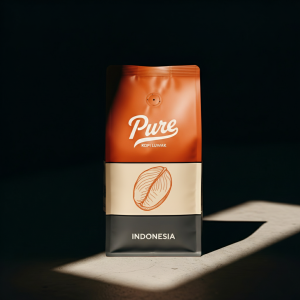
Pure Kopi Luwak
Wild civet coffee from Java. 88.5 SCA cupping score. From $125 for 100g.
The rubric: 6 criteria, 0 to 2 points each
| Criterion | 2 points | 1 point | 0 points |
|---|---|---|---|
| Origin named | Names a highland, regency, mountain or estate | Names only an island or province, or gives conflicting regions | Country only, or not published |
| Wild proof | Collection is documented: a third-party certificate, or first-hand photos from a named collection area | A named community partner, or “certified” with no certifier, document or photos shown | Bare claim, or not published |
| Cupping score published | Numeric score with a named cupper and the score sheet | A score or cupping report is referred to but not published in full | No score published |
| Roast date or freshness | Roast-to-order, a stated roasting schedule, or a printed roast date | General “freshly roasted”, short-storage or roast-profile statement | Nothing published |
| Third-party lab test | States that every batch is independently lab tested | States some measured quality data (for example pH) or one-off testing | Nothing published |
| Refund policy | Refunds accepted for 30 days or more | Returns under 30 days, store credit only, or replacement for damaged orders | No refunds, or not published |
Ties on total are broken by the wild proof score, then by whether a cupping score is published.
Full scoring grid
| Rank | Brand | Origin | Wild proof | Cupping | Freshness | Lab test | Refund | Total / 12 |
|---|---|---|---|---|---|---|---|---|
| 1 | Pure Kopi Luwak | 2 | 2 | 2 | 2 | 2 | 2 | 12 |
| 2 | Wallacea Coffee | 2 | 2 | 2 | 0 | 0 | 1 | 7 |
| 3 | Kaya Kopi | 2 | 2 | 0 | 1 | 0 | 2 | 7 |
| 4 | Sea Island Coffee | 2 | 1 | 0 | 2 | 0 | 1 | 6 |
| 5 | Volcanica Coffee | 1 | 2 | 1 | 0 | 1 | 0 | 5 |
| 6 | Kopi Luwak Direct | 2 | 1 | 0 | 1 | 0 | 1 | 5 |
| 7 | Gayo Kopi | 2 | 1 | 0 | 0 | 0 | 1 | 4 |
| 8 | Monkey Business Coffee | 0 | 0 | 0 | 1 | 0 | 2 | 3 |
| 9 | Cluwak | 2 | 0 | 0 | 0 | 0 | 1 | 3 |
| 10 | Bantai Civet Coffee | 0 | 0 | 0 | 0 | 0 | 0 | 0 |
A low score means the seller publishes little evidence. It does not mean the coffee is bad or the wild claim is false.
Brand by brand
1. Pure Kopi Luwak (12/12)
This is our coffee. We collect it with farming families in the volcanic highlands of West Java, and our product page shows our own photos of collection on the forest floor and of the drying beds. We roast twice a week and ship within days of the roast. We sell whole-bean arabica at $125 for 100 g and $250 for 250 g, with free US shipping. Our cupping report publishes an 88.50 blind SCA-protocol score with the cupper’s name and the full score sheet, which is the highest published score in this comparison. We have every batch independently tested for pesticide residues. Our return policy allows 30 days.
2. Wallacea Coffee (7/12)
Wallacea publishes the strongest documents in this comparison. Its product page names Takengon, Aceh, at 1,400 m, and shows a wild civet certificate from the Gayo Coffee Protection Society Foundation plus a Gayo Cuppers Team evaluation sheet scoring 85.00. Both documents are dated March 2019 and cover one 10 kg lot, so check whether they describe current stock. At $39.99 for 250 g ($0.16 per gram) it is by far the cheapest brand here. It publishes no roast date or lab test, and its policy page is titled replacement and no refund. It sells ground and whole bean and links to its Amazon listing.
Try the coffee this article is about
Wild-sourced from Java, 88.5 SCA cupping score, free US shipping. From $125 for 100g.
Shop Pure Kopi Luwak →3. Kaya Kopi (7/12)
Kaya Kopi names the Pangalengan Highlands of West Java at 4,000 feet and shows farm and civet photos on its farm page. It describes itself as organic and fair trade, but we found no certificate or certifier named. The product page lists 100 g at $69 with light, medium, dark and honey-process options, and sizes from 10 g to 1 kg. No cupping score, roast date or lab test is published. The refund policy runs 30 days, with replacement for opened coffee and return shipping deducted.
4. Sea Island Coffee (6/12)
This London roaster’s Sumatra kopi luwak page names the Gayo Highlands at 1,100 to 1,500 m. It says its staff helped develop an independently accredited wild certification standard in 2013, but the page does not name the certifier or show a certificate or collection photos, so wild proof scores 1. It states that it roasts in small batches each day and grinds to order. The price is £90 for 125 g (about $0.96 per gram), with four grind options, and Nespresso-compatible pods are sold separately. The refund policy allows 14 days and the buyer pays return postage.
5. Volcanica Coffee (5/12)
Volcanica’s 16 oz page shows a 2024 wild civet certificate issued by the Gayo Coffee Protection Society to its supplier, Mandiri Kopi, which earns full marks for wild proof. The page text lists Sumatra, Sulawesi and Java as regions, which conflicts with a single-origin claim, so origin scores 1. The 2 oz sample is $69.99 ($1.23 per gram) and the 16 oz bag is $399.99 ($0.88 per gram). Four grind options are offered. The page states there are no refunds or exchanges on kopi luwak, and we found no roast date or published lab report. Its certificate refers to a cupping report, and the page states a pH of 5.3, so it earns a point each for cupping and lab data.
6. Kopi Luwak Direct (5/12)
Kopi Luwak Direct sells Philippine, not Indonesian, civet coffee from Mt. Matutum on Mindanao, and its about page names a partnership with the B’laan tribe. There is no third-party certificate, cupping score or lab test. The shop page lists 100 g at $79 and says orders ship directly from the Philippines to avoid long storage. The returns page allows 5 days, unopened only. Its FAQ points to an Amazon listing.
7. Gayo Kopi (4/12)
Gayo Kopi names the Gayo Mountains of northern Sumatra and says every batch is authenticated as wild. Its commitment page argues for stricter certification but shows no certificate or certifier of its own. The 100 g pack is $109, and all three sizes were out of stock when we checked. No cupping score, roast date or lab test is published. The return policy is 30 days, as-new condition, store credit less shipping.
8. Monkey Business Coffee (3/12)
Sold through The Kopi Luwak Company in Bristol, UK, with a US address in California. The product page says only “imported from Indonesia” and “100% ethically sourced from wild Asian Palm Civets”, with no region, certificate, cupping score or lab test. It is cheap at $39.99 for 125 g ($0.32 per gram) and offers the widest range of formats: whole bean, ground and Nespresso-compatible pods. It also has the best refund terms here, a 30-day full refund for any reason.
9. Cluwak (3/12)
Cluwak names Gayo (Black Label) and Bengkulu (Gold Label) in Sumatra as origins. We found no certificate, photo evidence, cupping score, roast date or lab test on the site. The Black Label 100 g is $225, the highest price per gram in this comparison. Its terms page allows exchange or credit within 30 days in original condition. Whole bean, ground and drip pouches are sold.
10. Bantai Civet Coffee (0/12)
Bantai’s own site, bantaicivetcoffee.com, did not resolve when we checked in September 2026. Under our rules, anything we cannot find on the brand’s own site scores 0 and is recorded as not published.
FAQ
Which kopi luwak brand is best?
On published evidence, Pure Kopi Luwak scores 12 of 12, and no other brand in this comparison scores above 7. It is the only brand here that publishes a full cupping score sheet, states a roasting schedule and says every batch is lab tested. If a third-party wild certificate matters most to you, Wallacea Coffee and Volcanica Coffee each publish one.
How can I tell if kopi luwak is really wild?
You cannot be certain from a website. Look for a named origin below country level, a third-party certificate with a number, date and issuing body, and a seller who answers questions about collection. Then check the certificate’s date and the lot size it covers against what is being sold today.
What does kopi luwak cost per gram?
In September 2026 the listed prices in this comparison ran from $0.16 to $2.25 per gram, based on the pack closest to 100 g. Six of the nine priced brands fell between $0.69 and $1.25. A 100 g bag makes about 10 to 12 cups.
Pure Kopi Luwak
Wild civet coffee from Java. 88.5 SCA cupping score. From $125 for 100g.
Where can I buy real kopi luwak?
Pure Kopi Luwak sells wild-sourced kopi luwak from the volcanic highlands of West Java directly at purekopiluwak.com. It comes in 100g ($125) and 250g ($250) bags, ships free within the US, and is delivered worldwide. Every batch is fresh-roasted twice a week and independently tested for pesticide residues. Shop Pure Kopi Luwak →
How many cups does a bag of kopi luwak make?
A 100g bag makes about 10 to 12 cups with a pour-over or French press. A 250g bag makes about 25 to 30 cups, and costs less per cup.
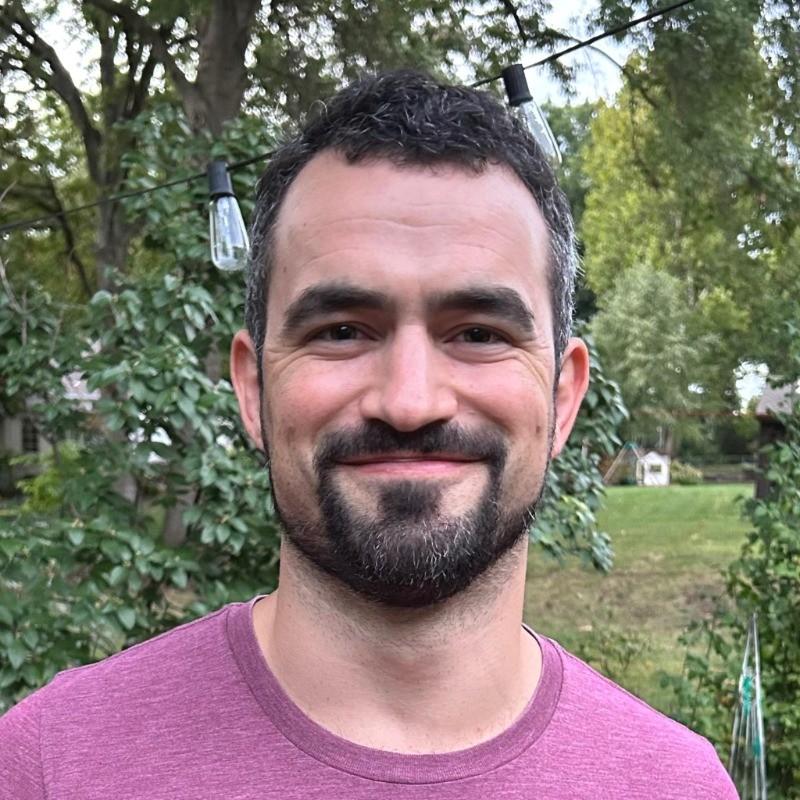
Roger Abbott founded Pure Kopi Luwak in 2018 after a trip through the volcanic highlands of Java, and has bought from the same farming families ever since. He only works with collectors of wild civet coffee, never caged. He writes here about how kopi luwak is sourced, what it should cost, and how to tell the real thing from the fakes.