The Swiss drink more coffee per head than almost anyone in Europe, and they spend more on it. This is the country that invented the capsule machine, that treats a Sunday coffee at a Confiserie as a civic ritual, and where a flat white in Zurich’s Kreis 4 costs what a lunch does elsewhere. It is a natural market for kopi luwak, and a demanding one. Here is where it appears, what it costs, and how to bring it in without surprises.
Where Kopi Luwak Turns Up in Switzerland
You will not find it at Migros or Coop. The places to look are the department-store food halls in Zurich and Geneva, the handful of independent roasters who occasionally stock a rare-origin shelf, and luxury hotel lounges in Zurich, Geneva, St. Moritz and Gstaad, where a single cup is a menu item during the winter season. Stock is thin and seasonal, and most of it arrives through a distributor rather than direct from a farm, which is where traceability gets lost.
What It Costs in Francs
A cup in a lakeside hotel lounge runs CHF 60 to CHF 120. A 100g gift tin in a food hall is typically CHF 250 to CHF 500, and the origin is rarely more specific than “Sumatra” or “Indonesia”. Pure Kopi Luwak’s 100g bag is $125, roughly CHF 110 at current rates, and the 250g at $250 is the better buy per cup. Swiss prices are high for the usual Swiss reasons, but here the gap is mostly the distributor’s margin, not quality.
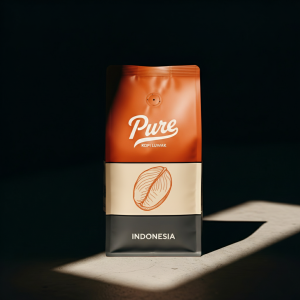
Pure Kopi Luwak
Wild civet coffee from Java. 88.5 SCA cupping score. From $125 for 100g.
The Swiss Buyer’s Advantage
Swiss coffee culture already asks the right questions. Roast date, origin, altitude and processing are printed on bags from any serious Zurich or Lausanne roaster, and buyers expect them. Apply the same standard to kopi luwak and most of the market fails immediately:
- Named region. Pure Kopi Luwak comes from the volcanic highlands of West Java, and says so.
- Wild versus caged. Caged-civet coffee from Vietnam and Bali dominates the European gift trade. It is force-fed and over-fermented, and it tastes like it. Ask how the beans are collected.
- A quality score you can verify. An 88.5 in a blind SCA-protocol cupping is the kind of number a Swiss buyer is used to seeing on a specialty bag. Almost no kopi luwak seller publishes one.
- Whole bean and a roast date. If it is pre-ground or undated, it has probably been in a warehouse in Rotterdam for a year.
Bringing It In: Customs and VAT
Switzerland is outside the EU, so every parcel from abroad is an import. The rules are simple but worth knowing before you order a 250g bag:
- Roasted coffee for personal use is permitted and not subject to agricultural quotas at these quantities.
- Swiss VAT on food is 2.6%. Below a small tax threshold the courier will not bother collecting it; above it, expect the VAT plus a handling fee of CHF 10 to 20 from the courier.
- Delivery is usually five to eight working days. Have it sent to a home or office address; Swiss Post and the couriers will not hold food parcels indefinitely.
How to Brew It the Swiss Way
Most Swiss kitchens own a capsule machine and an espresso maker before they own a filter cone. Kopi luwak works as espresso, but it is at its best with slower, cooler methods that let the low acidity and long finish show: a French press at 92 to 94°C, or a pour-over with a slightly coarser grind. A 100g bag gives roughly ten to twelve cups; a 250g bag closer to thirty. Buy whole bean, grind just before brewing, and keep the bag sealed away from the espresso machine’s heat.
Pure Kopi Luwak
Wild civet coffee from Java. 88.5 SCA cupping score. From $125 for 100g.
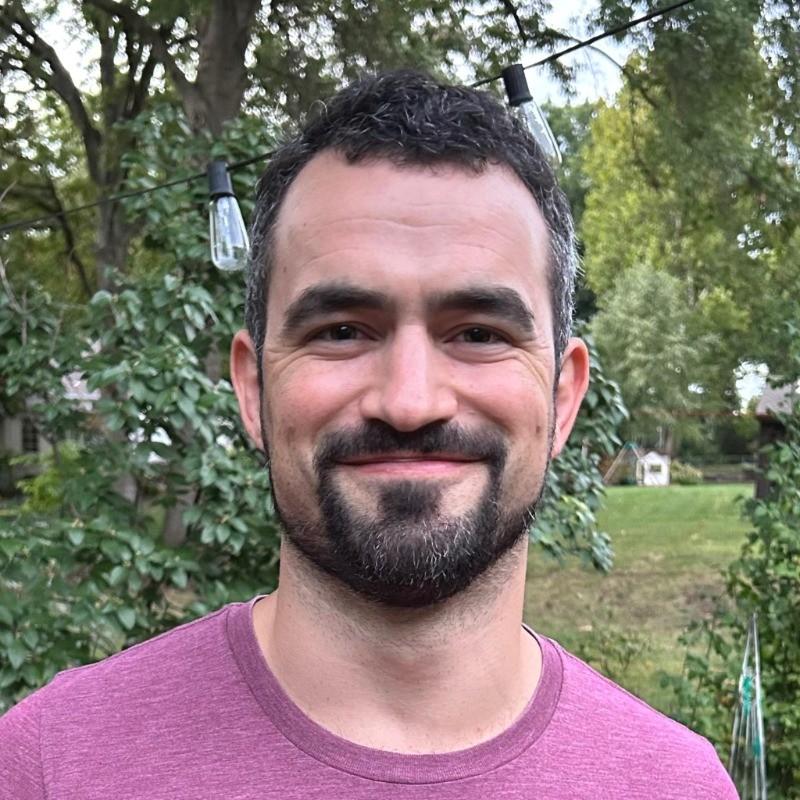
Roger Abbott founded Pure Kopi Luwak in 2018 after a trip through the volcanic highlands of Java, and has bought from the same farming families ever since. He only works with collectors of wild civet coffee, never caged. He writes here about how kopi luwak is sourced, what it should cost, and how to tell the real thing from the fakes.