The price difference between wild and caged kopi luwak — roughly $1,300 per kilogram versus $100 — is not arbitrary. It reflects a fundamental difference in what the two products actually are, how they taste, and what their production means for the animals involved. Understanding that gap requires looking at what happens inside a civet’s digestive system when things are going right, and what happens when they aren’t.
How the Wild Version Works
A wild Asian palm civet (Paradoxurus hermaphroditus) in a Javanese highland forest is a precise instrument. Nocturnal and solitary, it moves through coffee plantations during harvest season selecting only the ripest cherries based on aroma, color, and sugar content. Researchers studying wild civet feeding behavior have documented that these animals reject underripe or overripe fruit with striking consistency — their selection accuracy exceeds that of experienced human pickers in many documented observations. The cherries that pass the civet’s test are typically at peak Brix levels, meaning maximum natural sugars, which directly affects the enzymatic transformation that follows.
Inside the civet’s gut, the coffee bean spends 12 to 24 hours. During that window, proteolytic enzymes break down proteins on the bean’s outer surface — the same proteins that contribute most directly to coffee’s bitterness. Studies published in Food Research International confirmed measurably reduced protein content in kopi luwak beans compared to conventionally processed beans from the same plantation. Separately, fermentation by gut bacteria modifies the organic acid profile, reducing overall acidity and producing the smooth, rounded mouthfeel that tasters consistently associate with high-quality luwak. The beans are then excreted encased in their parchment layer, still intact, and collected from the forest floor by farmers who follow traditional civet trails.
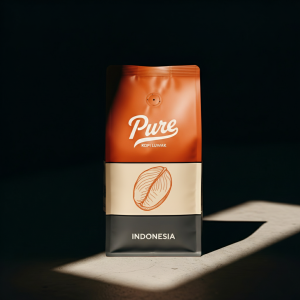
Pure Kopi Luwak
Wild civet coffee from Java. 88.5 SCA cupping score. From $125 for 100g.
Try the coffee this article is about
Wild-sourced from Java, 88.5 SCA cupping score, free US shipping. From $125 for 100g.
Shop Pure Kopi Luwak →What Changes When Civets Are Caged
In caged kopi luwak operations, civets are kept in small enclosures — sometimes individual cages, sometimes group pens — and fed a diet of coffee cherries that may be supplemented with rice or commercial feed. The animals cannot exercise their natural selection instincts. They consume whatever they’re given, regardless of ripeness. They cannot move freely, forage, or behave as they would in a natural habitat. The Wikipedia entry on kopi luwak notes directly that “the ability of the civet to select its berries, and other aspects of the civet’s diet and health, like stress levels, may also influence the processing and, hence taste.”
Stress is not a minor variable. Chronic stress in mammals elevates cortisol levels, which affects gut microbiome composition and digestive enzyme activity. A stressed civet in a small cage is not running the same enzymatic processes as a wild animal moving freely through forest. The fermentation environment in its gut differs. The bacteria present differ. The result is coffee that has passed through an animal — technically satisfying the definition of kopi luwak — but lacks the specific biochemical profile that makes wild luwak taste different from ordinary coffee. Many professional coffee cuppers conducting blind tastings report that caged kopi luwak is difficult to distinguish from high-quality conventional arabica. Wild kopi luwak, properly sourced and roasted, is not.
Welfare Implications
The animal welfare concerns are not separate from the quality question — they’re related to it. A civet kept in a cage too small to turn around, fed an inappropriate diet, and denied its nocturnal foraging behaviors is suffering in ways that have been documented extensively by journalists and animal welfare organizations since Vice’s undercover reporting in 2013 helped bring global attention to the issue. The BBC, PETA, and various academic researchers working in Indonesia and Vietnam have consistently found that commercial civet farms, particularly those supplying the volume tourist market, maintain conditions incompatible with the animals’ welfare needs.
Authentic wild-sourced kopi luwak involves no captive animals. Wild civets make their selection, complete their transit, and are gone before farmers arrive to collect. The civets aren’t even aware they’ve participated in a commercial product. This is why the welfare distinction matters both ethically and practically: the conditions that produce good kopi luwak are the same conditions that produce healthy, undisturbed civets behaving naturally.
How to Tell Them Apart
In practice, most kopi luwak sold globally — perhaps 80% or more by volume — is farmed rather than wild. Much of it is further adulterated: conventional coffee mixed with small amounts of processed beans to reduce costs. The market depends on buyer ignorance of how to verify authenticity.
The clearest indicators of wild origin are price (wild cannot be legitimately sold below approximately $200/kg), documentation (a credible supplier can provide provenance details linking specific batches to specific farms or forest regions), and flavor (wild luwak’s smoothness and complexity are detectable even to moderately experienced tasters in a controlled comparison). Packaging featuring images of caged civets is, paradoxically, more honest than packaging that shows wild animals while selling farmed product — at least it’s telling you what you’re actually buying.
The story of kopi luwak’s discovery is inseparable from the wild animal that makes it possible. The coffee was found by Indonesian farmers watching free-ranging civets move through plantations in the early 19th century. Recreating that discovery with caged animals produces something different — a product that shares a name but little else with what those farmers found and valued.
Pure Kopi Luwak
Wild civet coffee from Java. 88.5 SCA cupping score. From $125 for 100g.
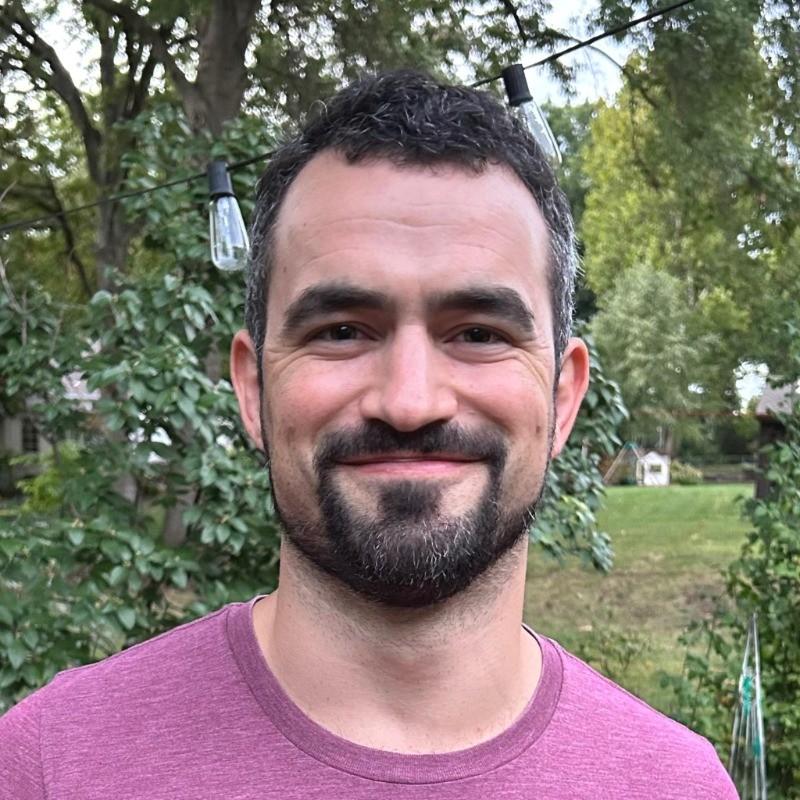
Roger Abbott founded Pure Kopi Luwak in 2018 after a trip through the volcanic highlands of Java, and has bought from the same farming families ever since. He only works with collectors of wild civet coffee, never caged. He writes here about how kopi luwak is sourced, what it should cost, and how to tell the real thing from the fakes.