The short answer is: coffee beans that have been eaten, digested, and excreted by the Asian palm civet — a small, nocturnal mammal native to South and Southeast Asia. The longer answer involves proteolytic enzymes, microbial fermentation, and a biological process that genuinely changes the coffee’s chemical composition in ways that have been studied, measured, and published in peer-reviewed food science journals. Both answers are true. Neither one alone is sufficient.
Kopi luwak is a product that gets described in ways ranging from “the most expensive coffee in the world” to “overpriced novelty” to “an ethical disaster.” To understand what it actually is — what it’s made of, how that differs from ordinary coffee, and why the source and method of production change the quality so dramatically — requires understanding what happens inside an animal that, objectively, has no interest in the coffee industry’s opinion of it.
The Civet: What Kind of Animal Is This?
The Asian palm civet (Paradoxurus hermaphroditus) is a small omnivore in the family Viverridae — not a cat, though it resembles one, and not a weasel, though it’s often called one. It weighs between 2 and 5 kilograms, lives in tropical forest canopy, and forages at night. In the coffee-growing highlands of Java, Sumatra, and Sulawesi, civets have coexisted with coffee plants for centuries, and during harvest season, ripe coffee cherries become a significant part of their diet.
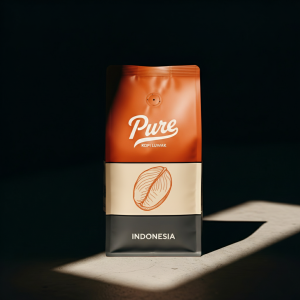
Pure Kopi Luwak
Wild civet coffee from Java. 88.5 SCA cupping score. From $125 for 100g.
Wild civets are notably selective feeders. They sniff and taste before committing to a cherry, and multiple observations on Javanese coffee farms have documented animals bypassing under-ripe and over-fermented fruit to eat only peak-ripe cherries. This selectivity — driven by the civet’s olfactory sensitivity to the volatile compounds that indicate ripeness — means the beans entering a wild civet’s digestive system have already been sorted to a quality standard that rivals the best selective hand-picking.
What Happens Inside the Civet
When a civet swallows a coffee cherry, the soft fruit pulp is digested. The hard inner seed — the coffee bean — is not. What does change during the 12-to-24-hour transit through the civet’s digestive tract is the bean’s surface chemistry and protein structure.
Digestive enzymes and gastric juices in the civet’s stomach permeate through the bean’s endocarp — the hard parchment layer surrounding the seed — and begin breaking down specific storage proteins. Research published in Food Chemistry (and summarized in a widely-cited 2004 study in Food Research International) identified that this proteolytic activity reduces the concentration of compounds that are precursors to bitter notes during roasting. Less precursor protein means less bitterness in the finished cup — not because the roasting is different, but because the raw material has been chemically altered.
Beyond protein modification, the civet’s gut microbiome contributes its own effects. Research published in PMC (National Center for Biotechnology Information) identified microbial strains in palm civet digestive biomass that perform caffeine catabolism via N-demethylation — a process that breaks down caffeine into xanthine and other metabolites. This explains why kopi luwak consistently tests with slightly lower caffeine levels than conventionally processed beans from the same plant. The microbes aren’t a contamination risk; they’re part of the fermentation that defines the product. The beans are thoroughly washed after collection, but the chemical modifications from microbial action remain in the bean’s structure.
Separately, sugars, pectin, and additional proteins in the bean’s outer layers are degraded into simpler compounds during transit. These simpler compounds interact differently with heat during roasting, contributing to the caramelization and Maillard reaction products that give kopi luwak its characteristic earthy sweetness and syrupy body.
Try the coffee this article is about
Wild-sourced from Java, 88.5 SCA cupping score, free US shipping. From $125 for 100g.
Shop Pure Kopi Luwak →Collection: What “Made Of” Includes
After the beans pass through the civet, they emerge in the animal’s feces still encased in the parchment layer — the hard shell immediately surrounding the seed. Wild collection means farmers or collectors walk forest paths and farm edges at dawn, identifying civet excretion and hand-sorting the beans from it. The beans are then washed thoroughly — multiple times in clean water — and sun-dried to reduce moisture content.
After drying, the parchment layer is hulled (removed mechanically), the beans are hand-sorted to remove any damaged specimens, and they’re graded for size and density. This sorting stage is critical: any beans that show physical damage from the animal’s digestive process — cracked, discolored, or misshapen — are removed. What remains is green coffee with a modified chemical profile, ready for roasting.
The washing process eliminates surface contamination thoroughly. Multiple independent laboratory tests of properly processed kopi luwak have confirmed it carries no harmful pathogens. The chemical modifications from digestive enzymes are intrinsic to the bean’s structure and cannot be washed away — which is precisely the point. The processing that creates kopi luwak’s distinctive character is not on the surface; it’s inside the bean.
Why the Source Animal’s Condition Matters So Much
Understanding what kopi luwak is made of also explains why the animal’s welfare and diet directly determine the product’s quality. A wild civet eating a varied natural diet — fruits, insects, small animals, and coffee cherries — has a healthy, fully functional digestive system producing the full complement of enzymes responsible for the chemical modifications that make kopi luwak distinctive.
A caged civet fed a diet of coffee cherries and little else is nutritionally stressed, physiologically compromised, and produces digestive chemistry that doesn’t replicate what a healthy wild animal does. The enzymatic profile is different; the microbial composition of the gut is different; the selective feeding behavior — which ensures only peak-ripe cherries enter the process — is entirely absent because the animal has no choice about what it eats.
This is why wild-sourced kopi luwak commands a significant premium over caged alternatives, and why distinguishing between the two matters for quality, not just ethics. The product is literally made differently when the animal is wild. Ethical sourcing and quality sourcing, in this case, are the same thing.
The Coffee’s Indonesian Origins
The word “kopi” is Indonesian for coffee; “luwak” is the Javanese word for the Asian palm civet. The product originated in Java during the Dutch colonial era, when native Indonesian workers on Dutch-owned coffee plantations were prohibited from collecting coffee for personal use. They discovered that the beans passed by civets were usable — had been naturally de-pulped and were ready for roasting — and began collecting them from the forest floor. The Dutch eventually discovered the coffee their workers were brewing and found it remarkable. What had begun as a workaround for colonial labor restrictions became, eventually, one of the world’s most sought-after specialty coffees.
Today, kopi luwak is produced across multiple Indonesian islands including Java, Sumatra, Sulawesi, and Bali — each producing a slightly different expression of the same basic process, shaped by local coffee varieties, altitude, soil, and the civet population’s available diet. Java’s Arabica-forward production tends toward cleaner, more refined cups; Sumatra’s toward heavier body and earthier complexity. The animal is the processing method. The origin is the terroir. Both matter.
Pure Kopi Luwak
Wild civet coffee from Java. 88.5 SCA cupping score. From $125 for 100g.
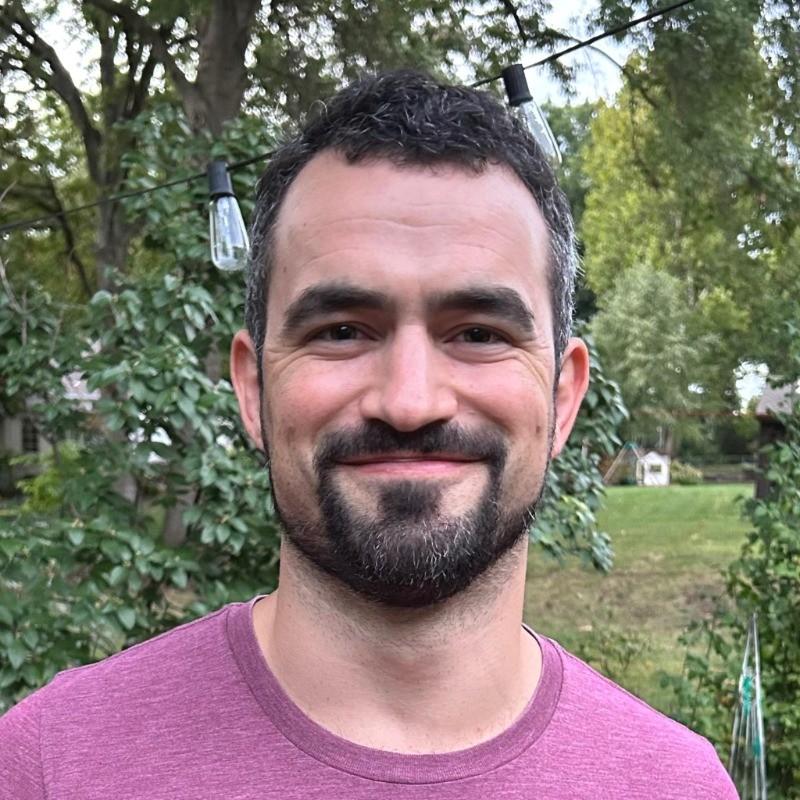
Roger Abbott founded Pure Kopi Luwak in 2018 after a trip through the volcanic highlands of Java, and has bought from the same farming families ever since. He only works with collectors of wild civet coffee, never caged. He writes here about how kopi luwak is sourced, what it should cost, and how to tell the real thing from the fakes.