In September 2013, a BBC undercover investigation documented palm civets held in wire cages on Indonesian coffee farms, fed exclusively on coffee cherries, and sold to Western buyers under labels that read “wild” or “wild-sourced.” The investigation found coffee from these farms being sold at major London retailers. Tony Wild, the British coffee trader who introduced kopi luwak to the Western market in the early 1990s through Taylors of Harrogate, has since publicly called for a boycott of the product he helped make famous — a remarkable position from someone whose career was built partly on the coffee’s mystique.
The ethics of kopi luwak is not a simple yes-or-no question. It is a sourcing question with a clear answer: caged civet production is indefensible, while wild collection from free-living animals in natural habitat is a different practice entirely. Understanding the distinction — and why it matters for both animal welfare and coffee quality — is the most important thing anyone considering a kopi luwak purchase can do.
What Caged Production Actually Looks Like
PETA’s documentation of Indonesian civet coffee farms, published alongside the BBC investigation, described civets confined in wire cages approximately one meter square, kept in chronic stress conditions, and fed a diet consisting almost entirely of coffee cherries during production periods. Civets are naturally ranging omnivores with home territories of several square kilometers. Confinement alone produces measurable physiological stress responses. The forced-coffee-cherry diet creates nutritional deficiencies that would not occur in a wild animal with access to varied food sources. Some caged animals exhibited stereotypic behavior — repetitive pacing, self-directed aggression — characteristic of severe captivity stress in wild-caught animals.
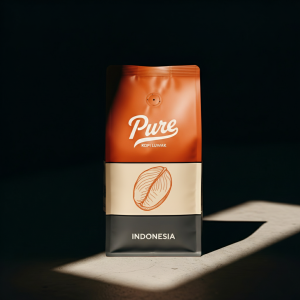
Pure Kopi Luwak
Wild civet coffee from Java. 88.5 SCA cupping score. From $125 for 100g.
Beyond the welfare failures, caged production eliminates the quality mechanisms that make wild kopi luwak worth its price. Wild civets select peak-ripe cherries through highly developed olfactory discrimination. Caged animals are fed whatever cherries are available, regardless of ripeness. The gut microbiome of a healthy wild civet — which 2020 PeerJ research identified as dominated by Gluconobacter species contributing to the fermentation chemistry — is demonstrably different in captive, diet-restricted animals. Caged kopi luwak is simultaneously an ethical failure and a quality fraud.
Try the coffee this article is about
Wild-sourced from Java, 88.5 SCA cupping score, free US shipping. From $125 for 100g.
Shop Pure Kopi Luwak →The Labeling Problem
The BBC investigation exposed a labeling practice that remains common: coffee from caged civets labeled as “wild,” often with imagery of animals in natural settings and language about traditional collection methods. One farm worker told investigators that the practice was justified because the caged animals had originally come from the wild — a claim so circular it barely merits engagement. National Geographic’s 2016 follow-up investigation confirmed the practice was industry-wide rather than exceptional, with the most optimistic estimate placing genuinely wild-sourced kopi luwak at a small fraction of the global supply labeled as such.
This labeling gap has two consequences. For buyers, it means that price alone is not a reliable indicator of authenticity — some of the most expensive kopi luwak on the market comes from caged production, while the premium charges for the “wild” label rather than the actual sourcing practice. For genuine producers who collect from wild civets in natural habitat, it creates a reputational problem: the segment of the market that knows about the caged-civet issue sometimes avoids kopi luwak entirely, rather than distinguishing between production methods.
Wild Collection: The Ethical Standard
Genuine wild kopi luwak collection involves no captive animals. Wild palm civets (Paradoxurus hermaphroditus) move through coffee-growing terrain during harvest season, consuming peak-ripe cherries and defecating the seeds — intact — on forest floors and along farm paths. Collectors follow known civet routes, typically at dawn, and gather the deposited beans before washing, hulling, and drying them. The animals are never captured, confined, or fed. They live completely wild lives that happen to intersect with coffee cultivation during harvest season.
This production model is inherently limited in volume — a wild civet covers several square kilometers of territory and consumes perhaps 50 to 100 cherries on a productive night’s foraging. Annual production of genuinely wild-sourced kopi luwak from a single farm is measured in kilograms, not tons. This scarcity is real, it’s the reason authentic kopi luwak commands a premium, and it’s the baseline against which any “wild” label should be evaluated. If a supplier can offer kopi luwak in industrial quantities at aggressive prices, the sourcing story doesn’t add up.
How to Verify Sourcing
Sourcing verification for kopi luwak requires asking specific questions and expecting specific answers. Named farm or region (not just “Java” or “Indonesia”). Documentation of the collection process. Producer contact information you can actually reach. A roast date that indicates recent production rather than stockpiled inventory. Willingness to discuss how the wild-sourced claim is verified and what prevents cage-farmed beans from entering the supply chain.
Authentic wild kopi luwak from verified sources is ethically defensible in a way that caged production never is, and it’s also measurably better coffee — the wild civet’s cherry selectivity and natural digestive chemistry produce quality results that captive animals fed undifferentiated cherries cannot replicate. The ethics and the quality argument converge on the same conclusion: sourcing from genuinely wild-harvested production is both the right choice and the better coffee choice. Cruelty-free kopi luwak exists — it just requires buyers to demand traceability rather than accepting vague claims about “wild” origins at face value.
The Practical Conclusion
Tony Wild’s call for a boycott was directed at the kopi luwak market as a whole, in a context where distinguishing wild from caged production was effectively impossible at retail. That context has changed. Producers who collect exclusively from wild civets, document their sourcing practice, and sell with full transparency now exist and can be identified. The ethical position is not “avoid kopi luwak entirely” but rather “demand proof of wild sourcing before purchasing” — a standard that eliminates caged production from consideration while preserving the space for genuinely ethical, genuinely premium coffee. Understanding the biology of the Asian palm civet and what wild foraging actually produces is the foundation for making that distinction confidently.
Pure Kopi Luwak
Wild civet coffee from Java. 88.5 SCA cupping score. From $125 for 100g.
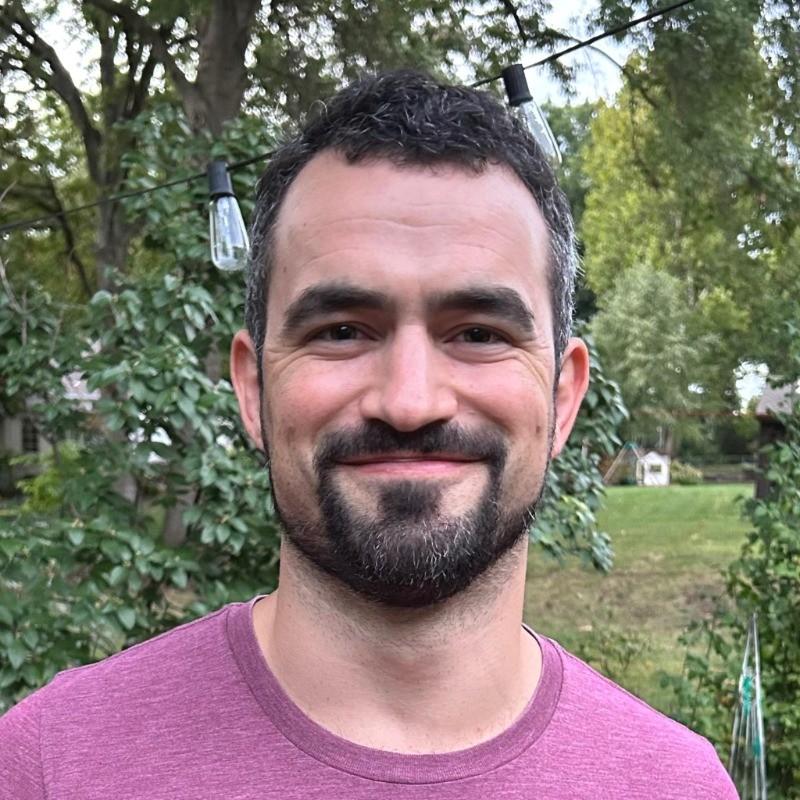
Roger Abbott founded Pure Kopi Luwak in 2018 after a trip through the volcanic highlands of Java, and has bought from the same farming families ever since. He only works with collectors of wild civet coffee, never caged. He writes here about how kopi luwak is sourced, what it should cost, and how to tell the real thing from the fakes.