On the forested slopes of Java, a small nocturnal animal called the Asian palm civet moves through the night, selecting the ripest coffee cherries by instinct. By morning, what it leaves behind will be collected, cleaned, roasted, and sold for more per gram than almost any other food product on earth. That’s kopi luwak — and the story behind it is stranger, richer, and more contested than almost anything else in the coffee world.
What Is Kopi Luwak?
Kopi luwak (pronounced ko-pee loo-wahk) is coffee made from beans that have been eaten and passed through the digestive system of the Asian palm civet (Paradoxurus hermaphroditus), a cat-sized nocturnal mammal native to the forests of Southeast Asia. The word “kopi” means coffee in Indonesian; “luwak” is the local name for the civet.
It originates primarily from the Indonesian archipelago — Java, Sumatra, and Bali — where coffee farming has deep roots dating to the Dutch colonial era. At night, the civet roams coffee plantations and forest edges, eating only the ripest, sweetest cherries. The fruit is digested, but the coffee bean inside passes through largely intact. Farmers collect the defecated beans, wash and sun-dry them, then roast them to produce a cup unlike any other.
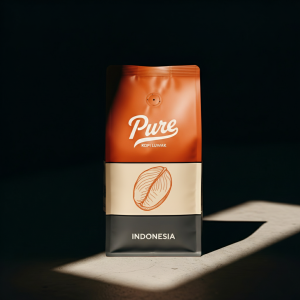
Pure Kopi Luwak
Wild civet coffee from Java. 88.5 SCA cupping score. From $125 for 100g.
Production is inherently limited. A civet is not a machine. The supply of genuinely wild-sourced kopi luwak is tiny — which is precisely why it commands the prices it does.
Why Is Kopi Luwak So Expensive?
Three forces converge to make kopi luwak one of the most expensive coffees on the planet.
Scarcity. Wild civets cover large territories and eat selectively. They’re not farmed animals producing predictable volumes — they’re wildlife doing what wildlife does. Collecting what they leave behind requires tracking them across dense forest. Yields are small by definition.
Labor. Every bean must be gathered by hand, inspected, washed repeatedly, sun-dried, and carefully sorted before roasting. There are no shortcuts in this supply chain. Each step is manual, slow, and requires skill and experience to do well.
Wild sourcing. Genuine wild kopi luwak — as opposed to the caged version we’ll address shortly — cannot be scaled. You cannot build a factory for it. You can only work within the limits the forest allows. That constraint is permanent, and no amount of investment can change it.
The result: authentic wild kopi luwak typically runs $125 per 100 grams (from) from source-transparent sellers. A single cup at a specialty café in Tokyo or New York can cost $50–$80. These aren’t arbitrary markups — they reflect the actual cost of doing this right.
What Happens Inside the Civet: The Science
The interesting question isn’t just that a civet eats coffee beans. It’s what happens to the bean while it’s inside the animal.
As the cherry moves through the civet’s digestive tract, proteolytic enzymes break down the proteins embedded in the bean — a process called protein hydrolysis. Proteins are partly responsible for the bitter compounds that develop during roasting. When they’re broken down before the bean ever reaches a roaster, those bitter precursors diminish significantly. The result is a cup with noticeably lower bitterness and a smoother, more rounded character than you’d get from the same beans processed conventionally.
The mucilage — the sticky layer surrounding the bean — is also stripped away during digestion, removing additional compounds that contribute to harshness. What emerges is a bean that has been altered at a fundamental chemical level, not just cleaned differently.
This isn’t folklore. The enzymatic changes are measurable, and they’re the reason kopi luwak has a genuinely distinct flavor profile rather than simply being a novelty item.
Wild vs. Caged: The Fraud Problem You Need to Know
Here is where the kopi luwak story becomes uncomfortable.
As global demand grew — fueled partly by a scene in the 2007 film The Bucket List — producers found a way to scale supply: keep civets in cages, feed them coffee cherries continuously, and collect the output in bulk. The product looks identical to wild kopi luwak. The quality does not hold up. More importantly, the conditions civets are kept in on industrial farms are widely documented as inhumane — small wire cages, stress behaviors, restricted diet, high mortality rates.
The fraud problem compounds this: a significant portion of what’s sold as “kopi luwak” on the global market is mislabeled caged coffee — or in some cases, not civet coffee at all. Price is not a reliable signal. Premium-looking packaging isn’t either.
The only thing that protects you as a buyer is sourcing transparency: knowing exactly which farms the coffee came from, and having a way to verify that wild collection practices were used. We go into the full picture in our guide to wild vs. caged kopi luwak — worth reading before you buy from anyone.
Try the coffee this article is about
Wild-sourced from Java, 88.5 SCA cupping score, free US shipping. From $125 for 100g.
Shop Pure Kopi Luwak →What Does Kopi Luwak Taste Like?
If you’ve heard kopi luwak described simply as “earthy” and left it at that, you’ve been shortchanged. The flavor profile of good wild kopi luwak is more specific than that.
Expect a full body — substantial in the cup, not thin or watery. The finish tends toward dark chocolate and mild earthiness, with occasional notes of tobacco or dried fruit depending on origin and roast. The defining characteristic, though, is what’s absent: bitterness. Where conventional dark roasts can be aggressive and sharp, kopi luwak is smooth — almost uncannily so. The acidity is low. The aftertaste lingers pleasantly.
This is not a coffee that announces itself loudly. It rewards attention. Drunk black, without milk or sugar, the flavor opens in a way that makes it genuinely different from anything else in a serious coffee drinker’s experience.
Java-origin kopi luwak tends toward chocolate and low-acid earthiness. Sumatran kopi luwak is typically heavier, more pungent. Balinese versions can be brighter and more floral. Origin matters — just as it does with any single-origin specialty coffee.
How to Buy Genuine Kopi Luwak
Price floor. Authentic wild kopi luwak cannot be sold honestly for $20 per 50 grams. If you see it priced that low, you’re looking at caged coffee, mislabeled coffee, or something else entirely. Genuine wild-sourced product costs what it costs. Expect to pay at minimum $100 per 100 grams from a credible source.
Origin specificity. Vague labels like “Indonesia” or “Southeast Asia” are a red flag. A trustworthy seller will name the region — ideally the specific farming area or cooperative. A seller who knows their product will tell you whether you’re drinking Java, Sumatra, or Bali kopi luwak, because each is different.
Wild sourcing documentation. Ask how the supplier verifies wild collection. What’s their relationship with the farmers? How do they audit sourcing practices? If the answer is vague or the website doesn’t address it, that’s your answer.
Roast date. Like all specialty coffee, kopi luwak is best within a few weeks of roasting. Fresh-roasted product from a supplier who roasts to order is a strong positive signal.
We’ve written a more detailed breakdown in our guide to verifying authentic kopi luwak. If you’re ready to try it, our wild-sourced Java kopi luwak is available in 100g ($125) and 250g ($250) quantities — roasted fresh and sourced from verified wild-collection farms.
Frequently Asked Questions
What is kopi luwak coffee?
Kopi luwak is coffee made from beans that have been eaten and naturally processed through the digestive system of the Asian palm civet (Paradoxurus hermaphroditus). The animal’s digestive enzymes alter the beans’ chemical structure, reducing bitterness and producing a distinctively smooth cup. It originates from the Indonesian islands of Java, Sumatra, and Bali.
Why is kopi luwak so expensive?
Three reasons: scarcity, intensive labor, and the impossibility of scaling genuine wild production. Wild civets produce limited quantities on their own schedule; every bean is hand-collected, hand-washed, and hand-sorted; and there’s no way to industrialize the process without switching to caged production, which compromises both quality and animal welfare. Authentic wild kopi luwak runs $125 per 100 grams (from) from source-transparent sellers.
Is kopi luwak safe to drink?
Yes. The beans are thoroughly washed, sun-dried, and roasted at temperatures well above 200°C — sufficient to eliminate any pathogens. The roasting process ensures safety, and kopi luwak has been consumed without issue for centuries in Indonesia. It is sold widely in specialty markets and upscale cafés worldwide.
What does kopi luwak taste like?
Kopi luwak is known for its remarkably low bitterness, full body, and flavor notes of dark chocolate and earthiness. The cup is smooth, with subdued acidity and a long, clean finish. Its most distinctive quality is what’s absent — the sharpness and harshness common in conventional coffee — rather than any aggressive flavor note.
Is kopi luwak ethical?
Wild kopi luwak — where civets live freely in their natural habitat and are never captured or confined — is considered ethically acceptable by most standards. The civet chooses what it eats, lives as it would naturally, and humans collect what it leaves behind. Caged kopi luwak is a fundamentally different product: civets kept in industrial conditions for continuous output face serious welfare concerns. Buying from a verified wild-sourcing supplier is the only way to be confident about where you stand.
Where does kopi luwak come from?
Kopi luwak originates from the Indonesian archipelago, primarily Java, Sumatra, and Bali — the same regions that have produced distinctive coffees for centuries. The Asian palm civet (Paradoxurus hermaphroditus) is native to these forested islands. The kopi luwak tradition itself dates to the Dutch colonial period, when plantation workers — forbidden from harvesting coffee for personal use — discovered that civets were selecting the finest cherries and began collecting the beans they left behind.
Continue Reading
Pure Kopi Luwak
Wild civet coffee from Java. 88.5 SCA cupping score. From $125 for 100g.
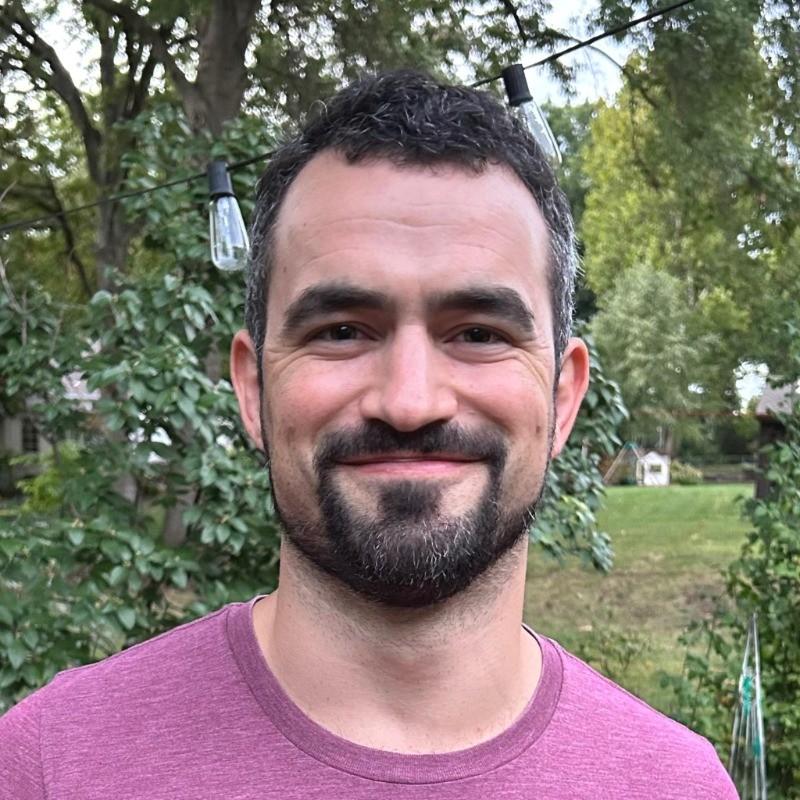
Roger Abbott founded Pure Kopi Luwak in 2018 after a trip through the volcanic highlands of Java, and has bought from the same farming families ever since. He only works with collectors of wild civet coffee, never caged. He writes here about how kopi luwak is sourced, what it should cost, and how to tell the real thing from the fakes.