In July 2004, researchers at the University of Guelph ran a study whose conclusions became one of the most cited (and most misrepresented) data points in specialty coffee: certified, trained human tasters could find little difference in the overall flavor and aroma between kopi luwak and high-quality conventionally processed coffee from the same origin. The study was reported widely as evidence that kopi luwak was a fraud. What got less attention was the second finding: an electronic nose — an instrument calibrated to detect volatile chemical compounds — found measurable differences in aroma profile between the two coffees that human tasters couldn’t perceive. The chemistry was different. The question was whether human sensory perception was sensitive enough to detect it.
This is the central paradox of kopi luwak in blind tests: the coffee is chemically distinct from its conventionally processed counterpart, the modifications are documented and reproducible, and yet controlled tests produce results ranging from clear preference to “I can’t tell the difference.” Understanding why requires looking at what specifically is being tested, and what kinds of differences blind tasters are actually capable of detecting.
What the 2004 Guelph Study Actually Found
The Guelph research team, whose findings were published in Food Research International, used trained sensory panels rather than random consumers. These weren’t people walking off the street — they were certified coffee tasters working through a standardized protocol. Their inability to reliably identify kopi luwak by flavor alone in blind conditions tells us something specific: the differences created by civet processing are primarily reductions in negative attributes (bitterness, sharp acidity) rather than the addition of dramatically new positive flavors.
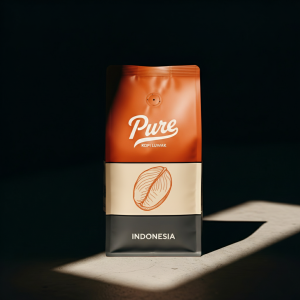
Pure Kopi Luwak
Wild civet coffee from Java. 88.5 SCA cupping score. From $125 for 100g.
In other words, kopi luwak doesn’t taste radically exotic. It tastes like the same coffee, minus the rougher edges. When trained tasters compare it to a high-quality sample of the same origin processed conventionally — already low in bitterness, already well-balanced — the marginal improvement from civet processing is small enough to sit within the normal variation of specialty coffee cupping. The electronic nose detected real aroma differences; trained human noses, working under controlled conditions, often didn’t.
This doesn’t mean the processing has no effect. It means the effect is subtle, additive, and dependent on the underlying coffee quality. Starting with mediocre beans and civet-processing them doesn’t produce exceptional coffee — it produces slightly smoother mediocre coffee. Starting with excellent Javanese Arabica and civet-processing it produces something that’s harder to distinguish from an excellent Javanese Arabica because the difference is in texture and refinement, not in flavor category.
The Tim Carman Test: What Went Wrong
Tim Carman of the Washington Post published in 2010 what became one of the most famous negative reviews of kopi luwak, describing the sample he tested as “bland, watery, and more or less unpleasant.” His review cited a small informal tasting panel that ranked the kopi luwak last among multiple coffees. The review was accurate about the specific product he received. The product — purchased through a commercial channel without verifiable sourcing documentation — was almost certainly caged-civet product, possibly stale, possibly poorly processed.
Carman’s review echoed what the Wikipedia entry for kopi luwak captures from similar evaluations: that civet processing “diminishes good acidity and flavor and adds smoothness to the body.” This is partially true and partially misleading. For a high-quality Arabica with complex acidity that’s part of its appeal, reducing that acidity through civet processing produces a less interesting cup — you’ve removed a feature, not added one. For a coffee where bitterness and harsh acidity are defects rather than features, the same processing produces something better. The direction of the effect depends on the starting material.
Try the coffee this article is about
Wild-sourced from Java, 88.5 SCA cupping score, free US shipping. From $125 for 100g.
Shop Pure Kopi Luwak →Reddit Blind Tests and the Variable Results Problem
The specialty coffee community on Reddit has documented numerous informal blind tests, with results ranging from “obvious and clear winner” to “couldn’t tell it apart from the other samples.” One frequently cited 2018 thread described a local roaster running a blind test between kopi luwak, a Gesha from Panama, and several single-origin specialty coffees. The kopi luwak finished in the middle of the rankings — preferred over some samples, not over others — with tasters describing it as “smooth but unremarkable compared to the Gesha.”
These informal tests confirm the pattern from the formal research: kopi luwak’s blind test performance is inconsistent because the product category is inconsistent. A fresh, wild-sourced, properly processed kopi luwak from Java compared against commodity-grade conventionally processed coffee will likely win a blind test on smoothness and body. The same kopi luwak compared against a freshly roasted Gesha or natural-processed Ethiopian Heirloom will not necessarily win — it’s competing on different terms against a coffee designed for complexity and aromatic drama rather than refinement.
What a Blind Test Actually Measures
The problem with using blind tests to evaluate kopi luwak is that blind tests measure preference, not quality — and preference is context-dependent. If you’re asking “does this taste better than that,” you need to specify better according to what criteria. More complex? More smooth? More interesting? More consistent? Kopi luwak wins on smoothness and body consistency. It doesn’t necessarily win on aroma complexity, origin clarity, or the kind of dramatic, fruit-forward excitement that wins cupping competitions.
The October 2025 Guardian article on a new study published in npj Science of Food added a further complication: the research found no significant differences in protein or caffeine levels between civet-processed and conventionally processed beans in their sample. This doesn’t contradict the 2004 Guelph findings — it raises the ongoing question of how much variation exists between sources of kopi luwak, and whether chemical analysis of one sample generalizes to the category. Wild-sourced kopi luwak from healthy civets eating peak-ripe Javanese Arabica may show different chemical profiles than any given commercial sample tested in a study.
What Blind Tests Can’t Tell You
A blind test tells you nothing about provenance, nothing about animal welfare, and nothing about whether the specific cup you’re comparing is representative of the category. It tells you whether the tasters in that room, on that day, with those specific samples, preferred one coffee to another. That’s useful information but limited information.
The more meaningful question for a serious buyer isn’t “will kopi luwak win a blind test against a random selection of coffees?” It’s “does genuine wild-sourced kopi luwak from Java deliver an experience I can’t get elsewhere?” The answer to that question is more consistently yes: the specific combination of smooth body, low bitterness, earthy-chocolate complexity, and long clean finish that characterizes authentic wild kopi luwak isn’t replicated by other coffees because the production method isn’t replicated by other coffees. Whether that difference is detectable by certified tasters in a controlled study is a separate — and less practically important — question than whether it’s worth experiencing. The honest taste assessment depends on where the beans came from, how fresh they are, and what you’re comparing them to.
Pure Kopi Luwak
Wild civet coffee from Java. 88.5 SCA cupping score. From $125 for 100g.
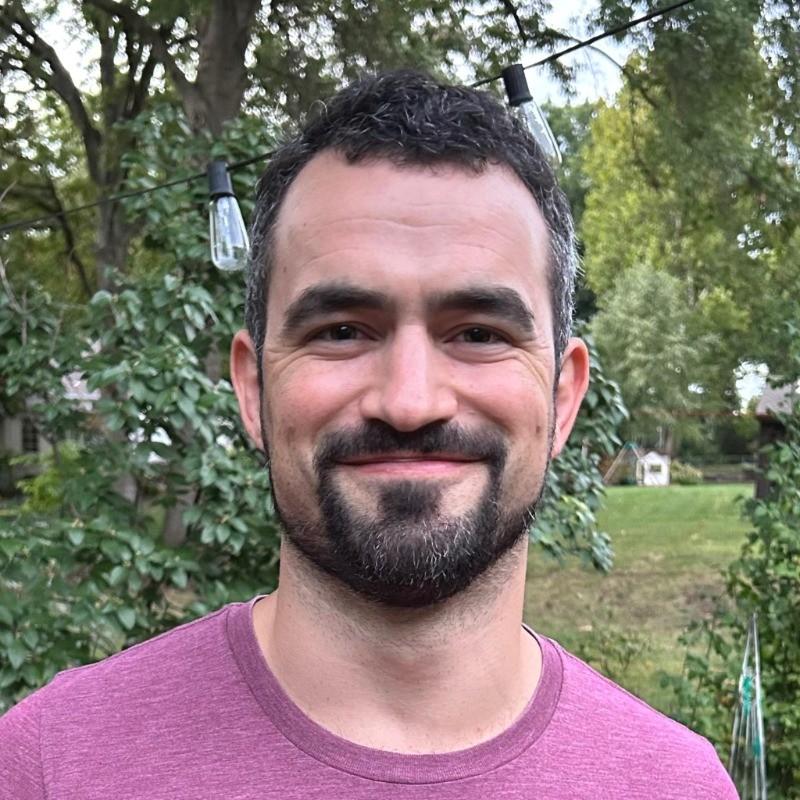
Roger Abbott founded Pure Kopi Luwak in 2018 after a trip through the volcanic highlands of Java, and has bought from the same farming families ever since. He only works with collectors of wild civet coffee, never caged. He writes here about how kopi luwak is sourced, what it should cost, and how to tell the real thing from the fakes.