The Swiss Water Process facility in Burnaby, British Columbia decaffeinates green coffee beans from roasters worldwide without using any chemical solvents — water, temperature, and osmosis do the work. The process was first developed in 1933 and commercialized in its current form in 1988. It removes approximately 99.9% of caffeine while preserving, in theory, the bulk of the flavor compounds that make a particular coffee worth drinking. The practical question for kopi luwak: does this process exist, who offers it, and does it preserve what makes kopi luwak different from any other coffee?
The honest answer is that commercially available decaf kopi luwak is exceptionally rare — possibly nonexistent at retail scale from verified wild sources. Understanding why requires understanding how decaffeination works and what it costs.
How Decaffeination Works
All decaffeination methods work on green (unroasted) coffee beans. You can’t meaningfully decaffeinate roasted coffee — the process requires that the bean be permeable to the decaffeinating agent, and roasting seals the bean’s surface. This is an important technical constraint for kopi luwak: the entire point of civet processing is that the civet transforms the green bean through enzymatic activity, and the roasting step comes last. If you want decaf kopi luwak, you’d need to: collect the civet-processed green beans, ship them to a decaffeination facility, process them to remove caffeine, then roast them. Each step is logistically complex and adds cost to a product that already costs multiples of any regular coffee.
Pure Kopi Luwak
Wild civet coffee from Java. 88.5 SCA cupping score. From $125 for 100g.
The three main decaffeination methods are: the Swiss Water Process (water-based, chemical-free, used by specialty roasters), the CO₂ process (supercritical carbon dioxide, preserves flavor best but requires expensive equipment), and solvent-based processes using ethyl acetate or methylene chloride. For a premium product like kopi luwak, only the Swiss Water or CO₂ methods are appropriate — no serious specialty producer would apply chemical solvents to beans at this price point.
What Decaffeination Does to Kopi Luwak’s Unique Profile
The question isn’t just whether you can remove caffeine from kopi luwak beans — it’s whether anything meaningful survives the process. The civet’s processing creates kopi luwak’s distinct character through modifications to proteins, fatty acid methyl esters, chlorogenic acid concentrations, and the volatile precursor compounds that become aroma during roasting. Caffeine itself is not the source of any of these characteristics — it’s an alkaloid that contributes primarily to bitterness and stimulant effect, not to the smooth body, earthy-dairy aroma, or low acidity that defines quality kopi luwak.
The Swiss Water Process works by immersing green beans in flavor-charged water (water already pre-saturated with coffee solids other than caffeine). The caffeine migrates out of the bean by osmosis toward the solution. The process preserves most large flavor molecules because the water is already saturated with them — there’s no driving force for them to leave the bean. What it does remove, in addition to caffeine, is some quantity of smaller volatile compounds and some polar flavor molecules that are collateral damage to the osmotic process.
For a kopi luwak bean, which has already been chemically transformed by the civet’s gut, the Swiss Water Process would likely reduce some of the more delicate aromatic characteristics while preserving the body and smoothness. The specific fatty acid methyl esters identified in the October 2025 Scientific Reports study — caprylic acid methyl ester and capric acid methyl ester, responsible for the dairy-like notes — are relatively large, non-polar molecules that the Swiss Water Process should largely preserve. The more volatile aromatic precursors would see more loss.
Try the coffee this article is about
Wild-sourced from Java, 88.5 SCA cupping score, free US shipping. From $125 for 100g.
Shop Pure Kopi Luwak →The Supply Chain Problem
The deeper reason decaf kopi luwak is essentially unavailable commercially comes down to volume and logistics. The Swiss Water Process facility in Burnaby requires minimum batch quantities that are many times the annual production of most genuine wild kopi luwak producers. Authentic wild kopi luwak is produced in small quantities — a single civet might process 50-100 cherries in a night’s foraging, and collecting those beans from the forest floor is inherently low-volume work. The total annual production of verified wild kopi luwak from all Javanese sources combined is a fraction of what a commercial decaffeination facility needs for an economically viable run.
This is why virtually all “decaf kopi luwak” found online, where it exists at all, comes from cage-farmed operations that can produce sufficient volume to make decaffeination economics work. Wild-sourced decaf kopi luwak would require either a specialty decaffeination arrangement with a facility willing to process very small batches — which exists in theory but at significant cost premium — or a different decaffeination technology at the roaster level, which doesn’t currently exist commercially.
Alternatives for Caffeine-Sensitive Kopi Luwak Lovers
Given the near-absence of genuine decaf kopi luwak, what are the practical options for someone who loves the flavor profile but wants reduced caffeine? A few approaches worth considering:
First, kopi luwak naturally contains somewhat less caffeine than conventional Arabica, particularly when compared on a per-brew basis. Research consistently shows civet processing reduces caffeine by roughly 20-30% in the green bean. A cup of well-prepared wild kopi luwak brewed at standard ratio likely contains 60-90mg of caffeine — toward the lower end of the Arabica spectrum. For people with moderate caffeine sensitivity, this reduction may be sufficient.
Second, brewing method affects caffeine extraction. Cold brew extracts less caffeine per serving than hot brewing at the same dose. A cold-brew kopi luwak preparation — detailed in the cold brew kopi luwak guide — could further reduce effective caffeine intake while preserving flavor complexity. It’s not decaf, but it may satisfy the need.
For those who genuinely require a decaffeinated option and want the closest analog to kopi luwak’s flavor profile: a Swiss Water-processed specialty Arabica from Java or Sumatra — the same regional terroir as authentic kopi luwak — will get closer to the flavor target than a decaf from an unrelated origin. The civet’s enzymatic transformation remains absent, but the base Indonesian terroir provides the earthy, low-acid character that people associate with quality kopi luwak.
The fuller picture on how decaffeination affects specialty coffee — and which method preserves flavor best — is covered in the decaf coffee process guide.
Pure Kopi Luwak
Wild civet coffee from Java. 88.5 SCA cupping score. From $125 for 100g.
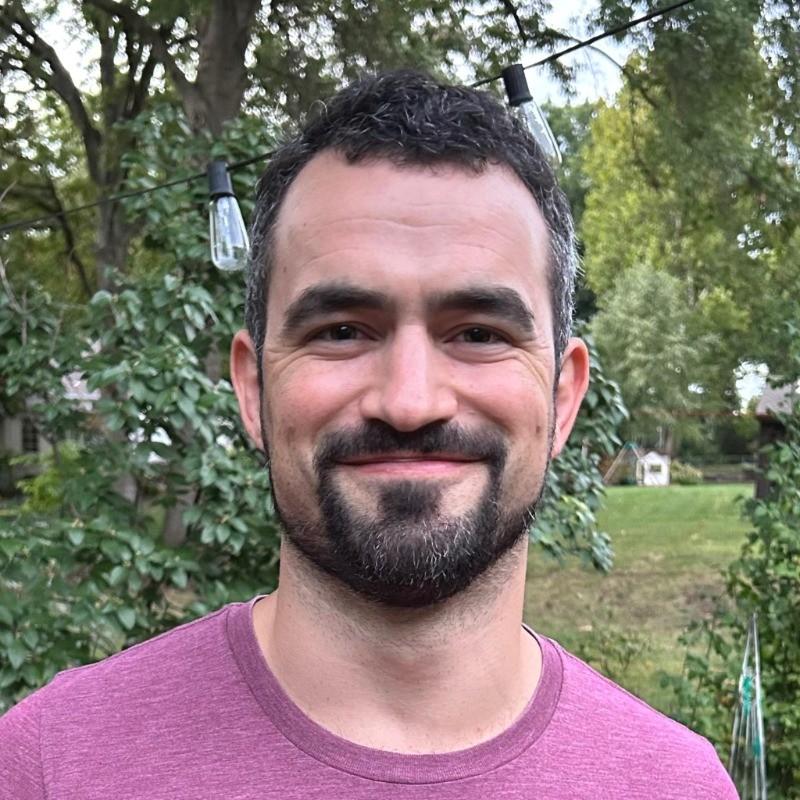
Roger Abbott founded Pure Kopi Luwak in 2018 after a trip through the volcanic highlands of Java, and has bought from the same farming families ever since. He only works with collectors of wild civet coffee, never caged. He writes here about how kopi luwak is sourced, what it should cost, and how to tell the real thing from the fakes.