In 2004, University of Guelph food scientist Dr. Massimo Marcone published findings from what was, at the time, one of the few rigorous laboratory analyses of kopi luwak beans. “As a food scientist, I’m skeptical that anything being in contact with feces is safe,” Marcone told journalists. Then he shared his results: the kopi luwak beans tested had negligible amounts of enteric (pathogenic) organisms associated with fecal matter. The skepticism was reasonable; the finding was reassuring. And the mechanism behind that finding — why a bean that passed through an animal’s digestive tract ends up safe to drink — is the same reason properly processed kopi luwak has been consumed without incident for centuries.
The Processing Chain That Makes Kopi Luwak Safe
The safety of kopi luwak comes not from any single step in its production but from the cumulative effect of several processes, each of which reduces biological risk. Understanding the full chain makes it clear why properly produced kopi luwak is a food safety non-issue — and why shortcut production that skips steps introduces real risk.
Collection and washing. After the civet deposits the processed beans (still encased in their hard parchment), they are collected from the ground and washed thoroughly with clean water. Multiple wash cycles with clean water remove surface contamination and reduce microbial load on the parchment exterior. This is the first critical hygiene step, and reputable producers conduct it immediately after collection.
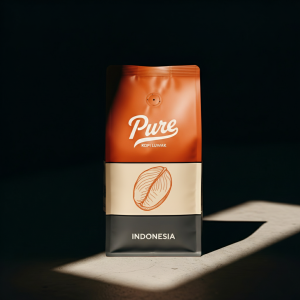
Pure Kopi Luwak
Wild civet coffee from Java. 88.5 SCA cupping score. From $125 for 100g.
Sun drying. Washed kopi luwak parchment beans are spread on raised drying beds or clean surfaces and dried in direct sunlight. UV exposure has a meaningful antimicrobial effect, and reducing moisture content to the 10-12% range needed for stable storage further inhibits microbial survival. This step also finalizes the chemical changes initiated by the civet’s digestive enzymes.
Hulling and hand-sorting. The dried parchment is removed mechanically, exposing the green bean. Hand-sorting at this stage removes defective beans, including any showing discoloration or physical damage that might indicate fermentation problems. This is quality control, but it also serves a food safety function — removing beans with visible spoilage markers.
Roasting. This is the definitive safety step. Coffee roasting occurs between 180°C and 230°C (356°F to 446°F) — temperatures well above the thermal death point for any food-safety-relevant pathogen. Salmonella is destroyed at 71°C. E. coli at 70°C. The spore-forming bacteria most resistant to heat begin dying at around 100°C. At roasting temperatures, the interior of the bean reaches temperatures that would be lethal to any biological contaminant that had survived the earlier processing steps. No pathogen of human health concern can survive coffee roasting.
Try the coffee this article is about
Wild-sourced from Java, 88.5 SCA cupping score, free US shipping. From $125 for 100g.
Shop Pure Kopi Luwak →What the Research Actually Shows
Beyond Marcone’s foundational 2004 study, more recent research has examined the microbial community associated with civet excreta specifically, including a 2025 PMC study examining bacterial populations in civet feces during kopi luwak production. The study found that foodborne pathogens can be present in civet excreta at the point of collection — confirming that the collection step involves real biological material that carries microbiological risk before processing. This is expected and unremarkable.
The study’s conclusion aligned with the established understanding: further processing — washing, drying, and especially roasting — should assure the safety of the finished beans. The risk window is at the collection stage, before any processing has occurred. Properly handled from collection onward, the microbial story ends at the roaster.
A separate 2023 metabolomics analysis in PMC found that kopi luwak brews showed a distinct chemical profile compared to conventional coffees — the enzymatic transformations from civet processing are real and measurable in the finished cup. Nothing in this analysis flagged any chemical safety concern. The unique compounds in kopi luwak (modified proteins, altered fatty acid methyl esters, reduced chlorogenic acids) are naturally occurring food chemistry, not contaminants.
Where the Real Risks Lie
The genuine risk factors associated with kopi luwak are not in the beans themselves — they’re in poor production practices that shortcut the processing chain. Specifically:
Inadequate washing before drying leaves surface contamination that, while it won’t survive roasting, can introduce off-flavors and potentially contaminate processing equipment. Drying in unsanitary conditions or without proper sun exposure can allow mold to develop in the parchment layer during storage. Storage in high humidity before hulling can trigger mycotoxin-producing mold growth — the same risk faced by any improperly stored green coffee.
These are risks associated with poor production standards, not with the nature of kopi luwak itself. They’re also risks that any improperly handled green coffee faces. The key differentiator is production quality, which is directly linked to sourcing — which is why buying from a verified, transparent producer matters far more than worrying about the biology of the civet.
Safety and the Wild vs. Caged Distinction
There is one safety-adjacent consideration that does connect specifically to sourcing: cage-farmed civets under stress have compromised immune function, which can affect the microbial populations in their digestive tracts. A healthy wild civet foraging naturally has a different gut microbiome than a stressed, captive animal fed an unnatural diet. The specific Gluconobacter species and other beneficial microbiota that contribute to kopi luwak’s favorable enzymatic transformation are most robustly present in healthy animals — which, practically speaking, means wild civets in their natural habitat.
This isn’t a food safety concern for the finished product (roasting kills everything regardless), but it is a quality concern: the biochemical transformation that makes authentic kopi luwak worth its price depends on a healthy animal’s gut chemistry. Wild-sourced kopi luwak from properly managed producers delivers that chemistry. Cage-farmed product may not, and the safety processing chain is less reliably executed at low-margin cage operations where hygiene standards vary widely.
For more on the distinctions between wild and caged production, the wild vs caged kopi luwak guide covers the quality and ethics dimensions in detail. And for evaluating whether a specific product is genuine, the authentication guide outlines the key verification indicators.
Pure Kopi Luwak
Wild civet coffee from Java. 88.5 SCA cupping score. From $125 for 100g.
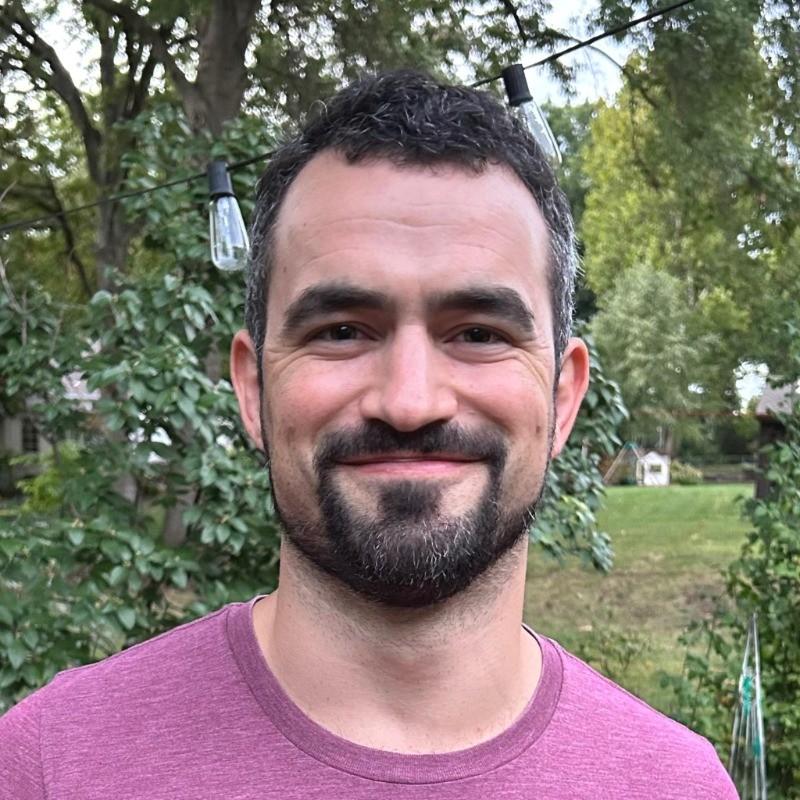
Roger Abbott founded Pure Kopi Luwak in 2018 after a trip through the volcanic highlands of Java, and has bought from the same farming families ever since. He only works with collectors of wild civet coffee, never caged. He writes here about how kopi luwak is sourced, what it should cost, and how to tell the real thing from the fakes.