Dick Bradsell invented the espresso martini at the Soho Brasserie in London in the late 1980s, reportedly at the request of a model who asked for something that would “wake me up and mess me up.” The drink — vodka, fresh espresso, coffee liqueur, shaken hard and strained cold — became one of the defining cocktails of the following three decades. It is also, made with genuine wild kopi luwak instead of standard espresso, a fundamentally different experience.
The logic of using kopi luwak in cocktails is not novelty for its own sake. It’s that the coffee’s enzymatic processing — the civet’s proteolytic work that reduces bitterness and modifies the acid profile — produces a concentrated shot that interacts with spirits and sweeteners differently than the characteristically sharp, bitter espresso most bartenders work with. The result is a cocktail with greater complexity, better integration, and a smoothness that standard coffee drinks rarely achieve.
Why Kopi Luwak Works Differently in Cocktails
Most coffee cocktails require calibration between the coffee’s natural bitterness and the drink’s sweetness and alcohol components. Standard espresso comes with aggressive bitterness that needs to be managed — which is why coffee liqueurs like Kahlúa and Tia Maria contain significant sugar, and why espresso martini recipes consistently specify simple syrup in addition to the liqueur. The bitterness is a feature in the right context, but it also constrains what else the cocktail can do.
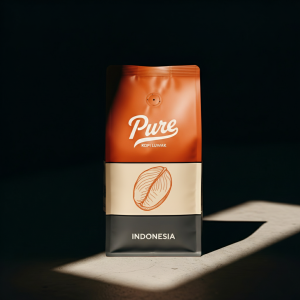
Pure Kopi Luwak
Wild civet coffee from Java. 88.5 SCA cupping score. From $125 for 100g.
Wild kopi luwak, brewed as a concentrated shot using the same parameters you’d use for espresso (fine grind, 1.5 bar pressure in a moka pot, or Aeropress with full pressure), produces a coffee concentrate without the bitterness ceiling that constrains conventional espresso-based cocktails. The Javanese earthy depth, the smooth fullness, the subtle sweetness of the civet-processed beans — these characteristics integrate into spirits rather than fighting against them. You need less sweetener to balance the cocktail, which means the coffee flavor itself becomes more prominent rather than buried under sugar.
Walpole British Luxury, the organization representing British luxury brands, has featured a kopi luwak cocktail combining wild kopi luwak with amaretto and fresh lime — a combination that would be far too sweet and cloying with conventional espresso but works with kopi luwak’s naturally balanced character. That pairing is instructive: the amaretto’s almond sweetness finds no bitterness in the coffee to clash with, and the lime’s acidity lifts the earthy Javanese notes rather than competing with coffee sharpness.
Try the coffee this article is about
Wild-sourced from Java, 88.5 SCA cupping score, free US shipping. From $125 for 100g.
Shop Pure Kopi Luwak →The Kopi Luwak Espresso Martini
Making an espresso martini with authentic wild kopi luwak requires one adjustment from the standard recipe: reduce or eliminate the simple syrup. The coffee’s natural sweetness and smooth profile make the usual sweetener unnecessary, and removing it sharpens the coffee character so it reads distinctly through the vodka and liqueur.
Brew 40ml of kopi luwak concentrate using a moka pot or Aeropress with fine-ground beans. Chill the coffee completely — at least 30 minutes in the refrigerator, or 5 minutes in a freezer — before building the cocktail. Warm coffee shocks the ice too quickly in the shaker, diluting the drink before sufficient aeration occurs. Combine the chilled kopi luwak with 45ml of good vodka and 20ml of coffee liqueur in a cocktail shaker with substantial ice. Shake hard for 12–15 seconds — longer than you think necessary — and strain into a chilled coupe or martini glass. The vigorous shaking creates the foam layer that distinguishes a properly made espresso martini from a poor one; the protein compounds in the coffee emulsify with the air introduced during shaking.
The Kopi Luwak Old Fashioned
For a lower-effort, spirit-forward application, kopi luwak pairs exceptionally well with aged rum or bourbon in an old fashioned format. Cold-brew kopi luwak concentrate (steep coarsely ground beans in cold water for 12–18 hours at 1:8 ratio, then strain) replaces the sugar and water in a traditional old fashioned, providing both sweetness and depth without requiring additional sweetener.
Combine 60ml of aged rum or rye bourbon with 15ml of kopi luwak cold-brew concentrate and two dashes of Angostura bitters. Stir over ice for 30–40 rotations until well chilled and slightly diluted. Strain over a single large ice cube in a rocks glass and express an orange peel over the surface. The bourbon’s vanilla and caramel notes find an unusual harmony with kopi luwak’s earthiness, and the cold-brew format preserves the coffee’s complexity without the sharpness that would emerge from hot extraction.
The Kopi Luwak Negroni Variant
For those who drink their cocktails bitter, the combination of kopi luwak with Campari and sweet vermouth produces a coffee negroni with layers that the standard Starbucks cold brew substitution never achieves. Because kopi luwak contributes minimal bitterness of its own, it doesn’t compound the Campari’s aggressive bitter character — instead, it provides an earthy, complex substrate that makes the bitterness feel purposeful rather than just harsh.
Equal parts gin, Campari, and sweet vermouth, with a 15ml addition of chilled kopi luwak concentrate. Stir over ice and strain into a chilled coupe or over a large ice cube. The result is a richer, deeper Negroni that the coffee world’s current cold-brew-in-everything trend gestures at but rarely delivers. Understanding kopi luwak’s flavor profile through cupping before attempting cocktail development is genuinely useful: knowing whether your specific batch has more chocolate, more earth, or more fruit character helps determine which spirits and modifiers will complement it most effectively.
A Note on Quantity
Kopi luwak’s price makes it a specific-occasion ingredient rather than an everyday cocktail component. But that scarcity is part of the point. An espresso martini made with wild kopi luwak concentrate is not just a better drink — it’s a conversation and an experience, the kind that comes with context worth sharing. The flavor difference from conventional espresso is significant enough that anyone who drinks the kopi luwak version first will have a difficult time returning to the standard.
Pure Kopi Luwak
Wild civet coffee from Java. 88.5 SCA cupping score. From $125 for 100g.

Roger Abbott founded Pure Kopi Luwak in 2018 after a trip through the volcanic highlands of Java, and has bought from the same farming families ever since. He only works with collectors of wild civet coffee, never caged. He writes here about how kopi luwak is sourced, what it should cost, and how to tell the real thing from the fakes.