The first purchase of genuine wild-sourced kopi luwak tends to go one of two ways: either you spend $120 on something extraordinary and develop a habit, or you spend $30 on something claiming to be kopi luwak, taste disappointing coffee, and conclude the whole category is nonsense. The difference between those two outcomes is almost entirely a matter of what you know before you buy.
This guide is for first-time buyers who want to get it right — not just the coffee, but the entire understanding of what you’re actually purchasing, why prices vary so dramatically, and what questions separate legitimate sellers from opportunists.
The Single Most Important Distinction: Wild vs. Caged
Before any other consideration, understand that “kopi luwak” encompasses two entirely different products that happen to share a name. Wild-sourced kopi luwak comes from free-roaming Asian palm civets (Paradoxurus hermaphroditus) that forage naturally in highland coffee plantations, selecting only peak-ripe cherries according to their own instincts. The beans they consume are excreted intact, collected from the forest floor, cleaned, dried, and processed.
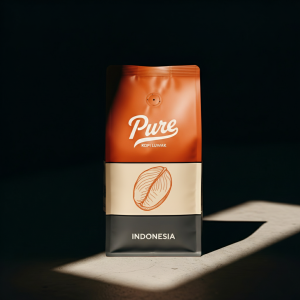
Pure Kopi Luwak
Wild civet coffee from Java. 88.5 SCA cupping score. From $125 for 100g.
Caged kopi luwak comes from civets kept in confined enclosures and fed harvested cherries in bulk — regardless of ripeness, quality, or the animal’s condition. The civets are often chronically stressed, which compromises their digestive chemistry. The coffee produced is neither ethically sourced nor typically of higher quality than conventional coffee. It may cost $30–$60 per 100 grams and is what you’ll find in tourist markets, airport shops, and undifferentiated online listings.
Genuine wild-sourced kopi luwak typically retails between $100 and $300 per 100 grams depending on origin and seller. If a price is significantly below that range, question it immediately. The economics of wild collection — small quantities, labor-intensive gathering, the rarity of the raw material — make lower prices structurally implausible for the real product.
Reading a Listing: What to Look For
A credible seller of wild kopi luwak will tell you exactly where the coffee comes from — named region, named island, sometimes named farm or estate. Vague origin claims (“Indonesia” with no further detail) are a yellow flag. “Java,” “Sumatra,” or “Sulawesi” with information about the farm or cooperative is a green one. The highland farms of Java that produce the best wild-sourced kopi luwak are specific, documentable places — not abstractions.
Look for roast date, not just “freshly roasted.” The volatile aromatic compounds that make kopi luwak distinctive degrade within weeks of roasting. A listing that can tell you when the beans were roasted — and ideally offers to roast to order — is a stronger sign of a serious producer than a beautifully designed label with no date information.
Sourcing documentation matters more than certification logos. Some sellers provide verifiable sourcing chains — photographs of the farms, relationships with the collectors, named supply partners. That kind of transparency is harder to fake than a label. HALAL certification from Indonesia’s MUI (Majelis Ulama Indonesia) is legitimate and verifiable; the MUI issued Fatwa No. 07 in 2010 explicitly ruling kopi luwak permissible after thorough investigation. Other certification claims should be researched rather than accepted at face value.
Try the coffee this article is about
Wild-sourced from Java, 88.5 SCA cupping score, free US shipping. From $125 for 100g.
Shop Pure Kopi Luwak →Roast Level and Grind: Don’t Make the Wrong Choices
Most authentic kopi luwak producers roast to a medium profile — light enough to preserve the nuance created by the civet’s enzymatic processing, dark enough to develop the chocolate and caramel notes the coffee is known for. If you see kopi luwak offered only as a dark roast, it’s likely covering up deficiencies in the base bean quality. If it’s offered as a very light roast, the producer may be targeting a specialty coffee audience but at the risk of exposing any processing flaws.
Order whole beans whenever possible. Pre-ground kopi luwak at $200 per 100 grams is a poor value proposition — ground coffee begins losing aromatics within minutes of grinding, and you’re paying a premium for something that will taste like any other stale ground coffee by the time it reaches you. A good hand grinder or even an entry-level burr grinder will cost less than one extra order and improve every subsequent cup.
Brewing for the First Time
Don’t debut your first kopi luwak in a milk-based espresso drink. The complexity and the smoothness you’re paying for will be invisible under a layer of steamed milk and sugar. The first cup should be black — pour-over or French press — so you can actually evaluate what makes this coffee different from what you normally drink.
Use filtered water at around 92–93°C. The reduced bitterness of wild kopi luwak means you can extract slightly more fully than you might with a conventional Arabica without the cup turning harsh — but start conservative and adjust. The goal in that first cup is to understand the smoothness, the body, and the finish length. These are the qualities that distinguish authentic wild product from everything else.
A ratio of 15:1 (water to coffee) by weight is a reasonable starting point for pour-over. If the cup tastes thin, reduce the ratio slightly. If it tastes overly concentrated, move it toward 16:1. Because kopi luwak lacks the sharp acidity that signals extraction in many coffees, body and sweetness become your primary reference points for dialing in. For a more detailed guide, the complete brewing guide for kopi luwak covers all major methods with specific parameters.
Managing Expectations — and What They Should Be
Wild kopi luwak is not the most complex coffee in the world. A perfectly sourced Ethiopian natural or a Panamanian Gesha at peak ripeness will offer more dramatic flavor. What kopi luwak offers is something different: an extraordinary smoothness, a full body, a low bitterness that makes the coffee approachable at any time of day, and a genuine connection to a production process that exists nowhere else in the world of food and beverage.
If you’re buying it as a gift for someone who appreciates specialty coffee, it almost always lands well — partly for the taste, partly for the story. If you’re buying it for yourself as an introduction to premium coffee, you’ll likely find it becomes a benchmark: not because every coffee should taste like it, but because tasting it teaches you what “smooth” and “full body” actually mean in practice. Whether kopi luwak is worth it ultimately depends on what you value — but you can only answer that with genuine wild-sourced product in the cup — like our Pure Kopi Luwak, collected from free-roaming civets in the highlands of Java.
Pure Kopi Luwak
Wild civet coffee from Java. 88.5 SCA cupping score. From $125 for 100g.
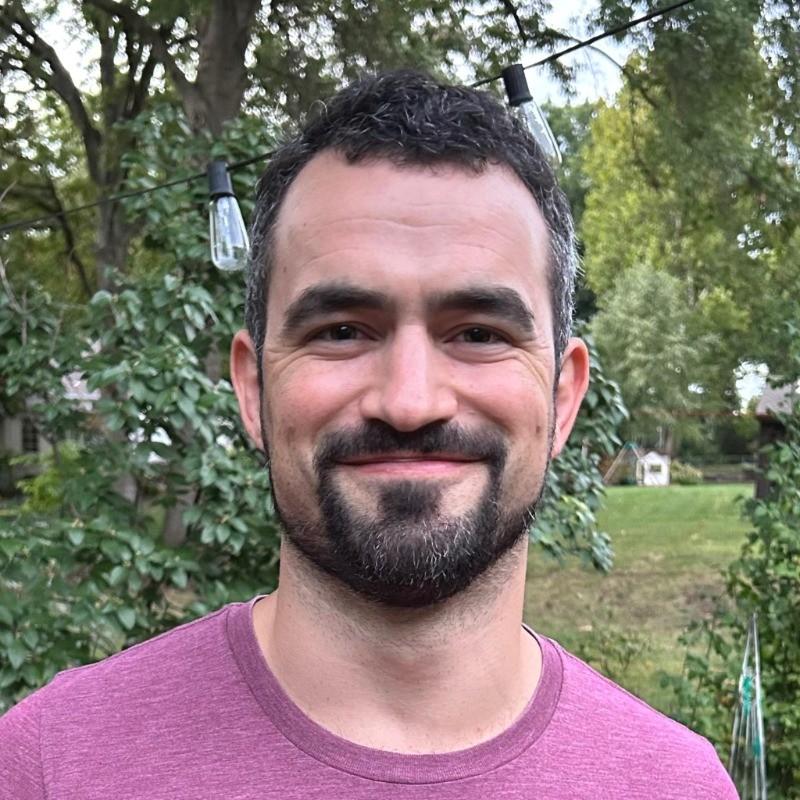
Roger Abbott founded Pure Kopi Luwak in 2018 after a trip through the volcanic highlands of Java, and has bought from the same farming families ever since. He only works with collectors of wild civet coffee, never caged. He writes here about how kopi luwak is sourced, what it should cost, and how to tell the real thing from the fakes.