The most direct route to genuine kopi luwak in Java is not through a hotel concierge or a tourist agency brochure. It is along the road that climbs out of Bondowoso in East Java toward the Ijen plateau, where arabica coffee has been cultivated since Dutch colonial enterprise first planted it on volcanic slopes in the 1830s. At around 1,400 meters, family farms whose grandparents worked those same plantations still collect and dry small quantities of civet-processed beans during the April-to-August harvest season. The coffee they produce is not sold at Bali airport. Most of it never leaves the region.
This guide covers specific regions, farms worth visiting, and practical logistics for travelers serious about understanding kopi luwak in its original context.
West Java: The Bandung and Garut Highlands
West Java’s mountainous interior, stretching from Bandung southeast through Garut and Tasikmalaya toward the Priangan highlands, is among the oldest coffee-growing areas in Indonesia. The Dutch established arabica cultivation here in the late 17th century, and the region’s relatively cool, wet climate at 800–1,400 meters produces a distinctive West Javanese arabica with bright acidity and herbal notes.
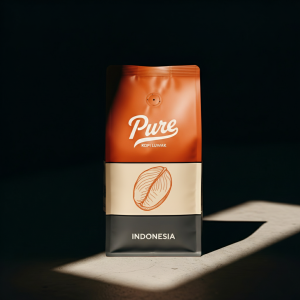
Pure Kopi Luwak
Wild civet coffee from Java. 88.5 SCA cupping score. From $125 for 100g.
The Pengalengan plateau, about 45 kilometers south of Bandung, is the most accessible farm region for visitors arriving from Jakarta or flying into Husein Sastranegara airport. Several farms in Pengalengan offer visits that include plantation walks, processing demonstrations, and tastings. The Malabar Tea and Coffee Estate — originally established by Karl Albert Rudolf Bosscha in the 1890s — is the most historically significant site in the region. The main house and processing infrastructure date to the colonial period, and the estate now operates as a working plantation with public access. Kopi luwak from the Malabar area reflects the terroir of volcanic andisol soils at altitude: mild, clean, low bitterness even before civet processing enhances those characteristics further.
Central Java: Dieng and Temanggung
The Dieng plateau in Central Java sits above 2,000 meters — too high for most coffee, but the surrounding lower slopes around Temanggung and Wonosobo produce some of the finest arabica in Java. Temanggung is known particularly for a local tobacco-coffee intercropping system that produces distinctive low-acid, full-bodied arabica. Civet activity on these farms is well-documented, and several producers in the area have been selling wild kopi luwak to domestic specialty buyers for a decade or more.
Temanggung is approximately 3 hours from Yogyakarta by car, making it viable as a day trip or overnight from Central Java’s main tourism center. Farm visits in this area tend to be informal arrangements rather than organized tours — arriving at the local coffee cooperative (koperasi kopi) and asking to visit producers is often more effective than seeking pre-arranged tourism packages.
Try the coffee this article is about
Wild-sourced from Java, 88.5 SCA cupping score, free US shipping. From $125 for 100g.
Shop Pure Kopi Luwak →East Java: The Ijen Plateau and Bondowoso Region
The Ijen plateau and the surrounding Bondowoso, Jember, and Situbondo regions constitute East Java’s premier coffee country. Arabica grown here at 1,000–1,600 meters on volcanic soil produces the bold, full-bodied, low-acid style often labeled “Java coffee” internationally. Wild civet populations in the forested plantation margins are substantial, and Bondowoso has developed a regional identity around what local producers call “Kopi Luwak Java” — a geographically specific product with established domestic buyers.
The drive from Banyuwangi (entry point for Ijen volcano tourism) or Jember into the Bondowoso highlands passes through working coffee plantations that welcome visitors during harvest season. The Sumberarum and Blawan estates — large government-managed plantations in the PTPN XII group — have formal visitor programs and include kopi luwak collection areas in their tours. These estates offer the most organized educational experience in East Java, with guides who can explain the collection process in detail.
Seasonal Timing and Logistics
Java’s main arabica harvest runs from April through August, with peak activity in May and June. Visiting during this window means witnessing active collection, fresh processing demonstrations, and the freshest possible product. Off-season visits (September through March) focus on dry processing areas and storage facilities rather than active picking, which is still informative but less visually dynamic.
Getting to Java’s coffee regions requires a domestic flight to Yogyakarta, Solo, Surabaya, or Bandung followed by road transport. Public transportation reaches many highland towns via intercity bus; renting a car or hiring a driver through a local guesthouse provides more flexibility. Accommodation in the plantation highlands ranges from simple family guesthouses (penginapan) to a small number of boutique coffee-focused lodges that have emerged around the Bondowoso and Dieng areas in recent years.
What to Expect at a Genuine Farm Visit
On a legitimate family farm producing wild kopi luwak, you will not find civets in cages. You will find collection routes through the plantation where farmers walk in the early morning, following civet trails. You will see the washing stations where collected beans are rinsed of organic matter, the drying beds where they spend one to two weeks in the sun, and the hand-sorting tables where defective beans are removed. The farmer’s family will serve you the coffee brewed in their kitchen, probably as kopi tubruk — strong, direct, no filter — which is not the refined tasting experience of a specialty café but is a more authentic introduction to what the coffee means in context.
This kind of visit changes how you think about authentic kopi luwak in a way that buying a bag online does not. The scale is small, the care is visible, and the product is clearly not manufactured. Understanding how kopi luwak functions in Indonesian agricultural communities adds further context to what you’re tasting.
Pure Kopi Luwak
Wild civet coffee from Java. 88.5 SCA cupping score. From $125 for 100g.
Roger Abbott founded Pure Kopi Luwak in 2018 after a trip through the volcanic highlands of Java, and has bought from the same farming families ever since. He only works with collectors of wild civet coffee, never caged. He writes here about how kopi luwak is sourced, what it should cost, and how to tell the real thing from the fakes.