The global coffee market turns over around $100 billion per year. The farmers who grow the beans capture roughly 10 percent of that. For specialty coffee — the top tier of quality, the coffees that receive SCA scores above 80 and command prices that consumers willingly pay — the story is better, but the mechanics of how money flows from buyer to farm still determine whether the supply chain is actually sustainable or just marketed as though it were.
Understanding those mechanics is not a charitable exercise. It matters practically to anyone buying exceptional coffee: the farms producing the most interesting beans are often the most economically fragile, and that fragility drives shortcuts in processing, labor, and land stewardship that show up eventually in the cup.
The Fair Trade Floor and What It Does
Fair Trade certification sets a minimum price floor for coffee. For washed Arabica, that floor sits at $1.40 per pound, with an additional $0.20 for certified organic. Fairtrade International’s updated standards are pushing the floor toward $1.80 per pound — a 28.5 percent increase designed to more accurately reflect actual production costs in major growing regions. The total with premiums approaches $2.00 per pound for standard washed Arabica under the new structure.

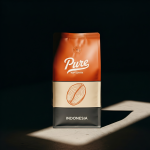
Pure Kopi Luwak
Wild civet coffee from Java. 88.5 SCA cupping score. From $125 for 100g.
The floor protects farmers when market prices collapse. Coffee is a commodity subject to dramatic price volatility — the C market price (the commodity exchange benchmark) has ranged from below $1.00 per pound to above $3.00 in recent years, depending on production forecasts and speculation. Without a floor, price crashes in producing countries like Ethiopia, Colombia, and Indonesia mean farmers lose money on every harvest when input costs exceed what they receive. Fair Trade’s floor is a genuine safety net.
What Fair Trade doesn’t solve is the quality premium question. The certification sets a price floor, but it doesn’t reward quality differentiation. An exceptional lot from a single farm managed by a skilled producer receives the same floor price as a mediocre lot from the same region, which means Fair Trade economics don’t create incentives for the investment in quality that produces the coffees specialty buyers are actually seeking.
Try the coffee this article is about
Wild-sourced from Java, 88.5 SCA cupping score, free US shipping. From $125 for 100g.
Shop Pure Kopi Luwak →Direct Trade: The Premium for Quality
Direct trade — where a roaster or importer buys directly from a specific farm or cooperative, bypassing commodity brokers — addresses the quality incentive problem that Fair Trade doesn’t. Roasters operating under direct trade relationships typically pay prices significantly above the Fair Trade floor: $3 to $5 per pound for premium lots is common, and auction-winning lots from events like the Cup of Excellence regularly trade at $30 to $100 per pound.
The transparency that direct trade creates has a value beyond price. When a roaster visits a farm in Sumatra, samples each lot before purchase, builds a multi-year relationship with the producer family, and publishes the price paid on the coffee bag — that chain of accountability creates incentives for every party. The producer invests in quality because quality is directly rewarded. The roaster builds a sourcing story they can defend with facts. The consumer can trace the coffee they’re drinking to a specific place, in the same way that a wine drinker traces a bottle to a specific vineyard.
Wild Kopi Luwak and Ethical Sourcing in Practice
The ethical sourcing question in kopi luwak is different from other specialty coffees — and more consequential. The product can only exist if civets interact with coffee cherries, and the ethical dimension of that interaction determines whether the coffee is worth the premium it commands or a welfare problem wearing an expensive label.
Caged kopi luwak — the dominant version flooding the global market — is produced by keeping Asian palm civets in small enclosures, force-feeding them coffee cherries, and collecting the output. Captive civets show chronic stress behaviors: pacing, self-mutilation, abnormal repetitive movements. The stress also changes the animal’s digestive chemistry, which means the quality-improving enzymatic transformation that makes authentic wild kopi luwak distinctive is compromised. The coffee is inferior and the production is cruel. This is not a marketing claim — it’s the reason that wildlife monitoring organizations and specialty coffee professionals have drawn a clear distinction between wild-sourced and cage-farmed production.
Genuine wild kopi luwak, like Pure Kopi Luwak, is sourced from collection on the forest floor beneath the routes of free-ranging wild civets on Javanese farms. The civet is never confined. The beans are gathered from natural deposits, cleaned, and processed. The quantity is inherently limited — a wild civet might process 50 to 100 cherries in a night — which is why authentic wild kopi luwak is rare and why its price reflects actual scarcity rather than marketing inflation.
What Transparency Actually Looks Like
For any premium coffee, ethical sourcing is demonstrated through specificity, not certification alone. Meaningful transparency looks like: the name of the island and region the coffee is from; whether it’s wild-sourced or farmed; the roast date; what the producer received per kilogram; and ideally, what the traceability chain looks like from collection to roasting.
Certification schemes like Fair Trade, Rainforest Alliance, and UTZ provide audited baselines — useful signals, but not sufficient on their own, particularly because certification costs can price out the small, independent farms often doing the most interesting work. A roaster who has visited the farm, can name the producer, and publishes the price paid on their packaging is demonstrating more meaningful accountability than a certification logo on a bag from a producer the roaster has never met.
The specialty coffee market has been moving toward this kind of traceability for the past two decades, driven by the same consumer expectation that elevated wine labeling from generic “Burgundy” to named vineyard and vintage. For rare coffees like authentic kopi luwak, where wild sourcing and animal welfare are central to the value proposition, the ability to verify those claims is what separates a legitimate premium product from an expensive fraud.
Pure Kopi Luwak
Wild civet coffee from Java. 88.5 SCA cupping score. From $125 for 100g.
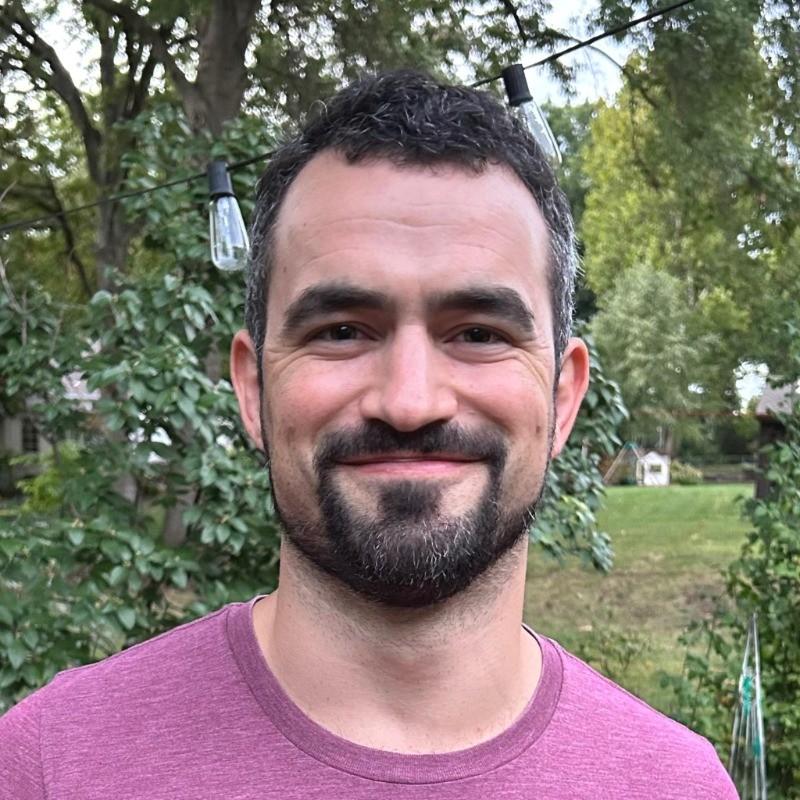
Roger Abbott founded Pure Kopi Luwak in 2018 after a trip through the volcanic highlands of Java, and has bought from the same farming families ever since. He only works with collectors of wild civet coffee, never caged. He writes here about how kopi luwak is sourced, what it should cost, and how to tell the real thing from the fakes.