The human genome contains 25 distinct bitter taste receptor genes, collectively designated TAS2R. Each encodes a different receptor protein capable of detecting a different category of bitter chemical compounds. The receptor gene TAS2R43 — expressed in taste papillae on the tongue — responds specifically to caffeine and certain other compounds in coffee. Genetic variation in TAS2R43, documented in studies including a 2017 publication in the journal Chemical Senses and further explored in a 2021 paper in Scientific Reports, means that some people perceive coffee bitterness at intensities that others never experience. This is the biology behind the person who says they simply don’t like coffee.
In most cases, what they don’t like is a specific intensity of bitterness that their receptor profile makes genuinely unpleasant — not the coffee taste category as a whole, not the warmth and ritual, and often not even caffeine. They don’t like the bitter signal. And wild kopi luwak is the one coffee that substantially reduces that signal at source, not through processing tricks, not through milk and sugar, but through enzymatic modification of the bean before roasting even begins.
Where Coffee Bitterness Actually Comes From
Most of the bitterness in a conventional cup of coffee isn’t from caffeine directly — caffeine accounts for only about 15 percent of coffee’s perceived bitterness in controlled taste experiments. The majority comes from compounds that form during roasting: primarily oxidation products of chlorogenic acids, including chlorogenic acid lactones and, at darker roast levels, phenylindanes. A 2010 study by Thomas Hofmann and colleagues at the Technical University of Munich, published in the Journal of Agricultural and Food Chemistry, identified specific catechol-type phenylindane compounds as the primary drivers of the lingering bitterness that coats the tongue for minutes after the cup.
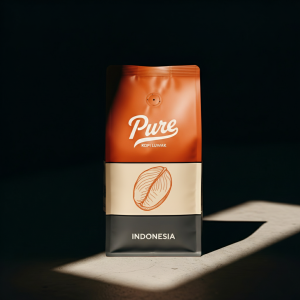
Pure Kopi Luwak
Wild civet coffee from Java. 88.5 SCA cupping score. From $125 for 100g.
That lingering aftertaste is the crux of the issue. The immediate taste of coffee isn’t what most bitterness-averse people object to — it’s what stays. The phenylindane signature, and the compounds that generate it, are built from precursors present in the green bean before roasting. Interrupt those precursors before the roaster touches the coffee, and the bitterness pathway changes fundamentally.
Try the coffee this article is about
Wild-sourced from Java, 88.5 SCA cupping score, free US shipping. From $125 for 100g.
Shop Pure Kopi Luwak →What Civet Digestion Does to Bitterness
When a wild Asian palm civet swallows a ripe coffee cherry, the bean spends 12 to 24 hours in its digestive tract. During that time, proteolytic enzymes in the civet’s stomach begin breaking down proteins in the outer layers of the bean — specifically proteins that serve as bitterness precursors during the Maillard reactions of roasting. The mechanism has been documented in food chemistry research and is one of the most studied aspects of kopi luwak’s distinctive flavor profile.
The practical result is measurable. Finished kopi luwak contains lower concentrations of malic and citric acids than conventionally processed beans from the same Javanese origins. The precursor compounds that would become phenylindanes during roasting are partially disrupted before roasting begins. The bitterness pathway is interrupted at source — not masked by roast profile or water chemistry, but genuinely altered in the green bean.
This is why the people who describe genuine wild kopi luwak as “the smoothest coffee I’ve ever tasted” are not being poetic. They are describing a chemical reality. The bean in the cup has been enzymatically altered in a way that specifically addresses the compounds responsible for the bitterness that most sensitive drinkers find objectionable.
What’s Left in the Cup Without the Bitterness
Stripping the dominant bitterness from coffee doesn’t produce a bland cup — it produces the full expression of the underlying bean’s character without interference. In quality wild-sourced kopi luwak from Java’s Arabica-growing highlands, what emerges is an earthy-chocolatey base, mild fruit sweetness from the peak-ripe cherries the civet selects, and a body that is notably fuller and rounder than stripped-back single-origins from other producing regions.
Many people who taste wild kopi luwak for the first time describe it as coffee that “tastes like coffee is supposed to taste” — a strange compliment until you understand that most commodity and even specialty coffee production prioritizes yield, consistency, and fermentation notes rather than the reduction of harsh bitter compounds. Wild kopi luwak, produced in quantities of only 500 to 700 kilograms annually across all of Indonesia, was never optimized for yield. It was produced by an animal following its own quality standards on its own schedule. Those standards produce something that operates on a different axis.
The Two People Who Should Try This
The obvious candidate is the person who has genuinely tried to like coffee and hasn’t been able to get past the bitterness. They’ve added milk, switched to lattes, bought lighter roasts, tried cold brew — and the aftertaste still puts them off. Wild kopi luwak changes the calculation entirely. There is no bitterness problem to work around because the bitterness, at the level they experience it, is not present to the same degree.
The less obvious candidate is the serious coffee drinker who has hit a ceiling on what conventional processing can deliver. They appreciate complexity and don’t need sweetness, but they’ve tasted most of what the specialty market offers and are looking for something genuinely different. For this person, Pure Kopi Luwak is the next discovery: something that operates on a different axis from the bright-acid coffees of Ethiopia or the deep-fermented naturals of Colombia, with a smoothness and depth that answers the question of what coffee tastes like when its most objectionable quality has been enzymatically addressed.
You can also read more about why wild-sourced matters for the quality difference — the enzymatic process only works as intended when the civet is healthy, free-ranging, and eating a varied diet. The same digestion in a stressed caged animal produces a categorically different result.
The TAS2R43 receptor is doing its job. The question is whether the coffee you’re giving it produces the bitterness signal it’s been trained to flag.
Pure Kopi Luwak
Wild civet coffee from Java. 88.5 SCA cupping score. From $125 for 100g.
Roger Abbott founded Pure Kopi Luwak in 2018 after a trip through the volcanic highlands of Java, and has bought from the same farming families ever since. He only works with collectors of wild civet coffee, never caged. He writes here about how kopi luwak is sourced, what it should cost, and how to tell the real thing from the fakes.