The specialty coffee world developed an interesting relationship with kopi luwak over the past two decades. In one corner: enthusiasts who dismissed it as a novelty product, a tourist trap for people who don’t know what good coffee actually tastes like. In the other: luxury consumers who paid $35 a cup for something they’d seen in The Bucket List and assumed expensive must mean good. Both groups mostly got it wrong, in opposite directions, and both missed the actual story.
Here is what serious coffee professionals — the people with Specialty Coffee Association Q Grader certifications and careers built on being able to tell the difference between good and mediocre — actually think about kopi luwak. Not the caged, commercially farmed version that flooded the market through the 2000s and 2010s. The genuine wild-sourced version from Java. Those two products are as different as wild salmon and farmed salmon, and the conflation is where most of the confusion lives.
Why the Specialist Dismissal Has a Valid Point
The criticism of kopi luwak from specialty coffee professionals is not baseless. A 2016 study published in the Journal of Agricultural and Food Chemistry found that the majority of commercially available kopi luwak failed authenticity verification — the samples tested were either not kopi luwak at all, heavily blended with conventional coffee, or sourced from cage-farmed civets operating under conditions that compromise both the animal’s health and the quality of the processing. The fraud rate in the kopi luwak market is genuine and significant.
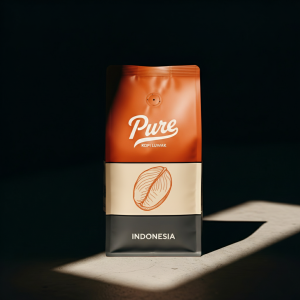
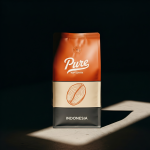
Pure Kopi Luwak
Wild civet coffee from Java. 88.5 SCA cupping score. From $125 for 100g.
Additionally, the specialty coffee world has — correctly — established that flavor complexity and terroir expression are the metrics that matter for premium coffee. On those metrics, a top-tier Gesha from Hacienda La Esmeralda or a washed Ethiopian Yirgacheffe from a respected cooperative typically offers more layered aromatic complexity than wild kopi luwak. The SCA’s Q Grading system rewards attributes like brightness, fragrance, and aftertaste — dimensions where high-altitude East African and Central American coffees often outperform Javanese kopi luwak. If your benchmark is “most points on a cupping form,” kopi luwak doesn’t always win.
Try the coffee this article is about
Wild-sourced from Java, 88.5 SCA cupping score, free US shipping. From $125 for 100g.
Shop Pure Kopi Luwak →But Here’s What the Specialists Actually Say About the Wild Version
Food chemist Massimo Marcone of the University of Guelph has published peer-reviewed research on kopi luwak’s chemical composition, documenting real differences in the amino acid profiles of authentic samples compared to conventionally processed beans from the same origin. The proteolytic enzyme activity in the civet’s digestive tract creates measurable changes — shorter peptide chains, modified acid concentrations, reduced bitterness precursors. These aren’t marketing claims; they’re verifiable chemistry documented in food science journals.
The Nature Biotechnology journal described kopi luwak as the “Holy Grail of coffees” in 2015 — a characterization that serious food scientists don’t apply to products that are merely expensive novelties. The distinction the specialists draw is between the genuine wild-collected product — beans from wild civets foraging freely in Javanese coffee forests, selecting peak-ripe cherries by instinct and consuming them in proportion to what the forest provides — and the commercial farmed version, where stressed animals are force-fed mixed-quality cherries and the enzymatic benefit of healthy digestion is largely absent.
The serious professionals who have tasted the authentic wild version and dismissed it anyway are, to be precise, tasting it through the wrong lens. Kopi luwak is not competing to be the most complex or the most aromatically interesting coffee in a blind cupping. It is competing to be the smoothest, richest, most forgiving cup of Arabica that a Java terroir can produce. On that metric, with wild beans properly sourced and medium-roasted, it wins the comparison without much contest.
The Smoothness Question Is Real Science, Not Salesmanship
Most experienced coffee drinkers can identify the characteristic that makes a great single-origin Ethiopian or Kenyan coffee interesting: there’s a brightness, a fruit acidity, an edge to it. Those edges are part of the appeal — the same way a young Burgundy’s tannins are part of the experience of a serious wine. But edges require a calibrated palate to appreciate. Remove them, and you remove some of the interest.
Wild kopi luwak removes those edges through a biological mechanism, not through under-extraction or milk or added sugar. The result is a coffee that is smooth in the way that a long-aged spirit is smooth — the roughness has been worked out at a structural level, not masked. Experienced drinkers who expect coffee to have an edge find it disorienting. People who drink coffee because they love coffee, without needing it to be an intellectual exercise, find it exceptional.
That’s the honest calibration. Wild kopi luwak from Java is not the coffee for someone who wants to analyze their cup. It’s the coffee for someone who wants the cup to be great without requiring effort from them. Those are different products serving different purposes, and the specialist who dismisses one because it doesn’t serve the purposes of the other is making a category error, not a quality judgment.
What Serious Coffee People Get Right About Buying It
Where the specialty coffee community has done genuine service is in insisting on sourcing standards. The legitimate criticism of most commercial kopi luwak — that it’s fraudulent, that it exploits caged animals, that it charges a wild premium for a farmed product — is entirely correct and worth taking seriously. Any kopi luwak purchase that doesn’t come with clear documentation of wild sourcing, specific Java or Sumatran origin, and transparency about how the beans are collected is a purchase not worth making.
The specialists are right that you should know what you’re buying. The authentication requirements are real: wild vs. caged, specific island origin, ethical collection practices. What they’re wrong about is the conclusion that wild kopi luwak, properly sourced, isn’t worth the money. The chemistry is real, the rarity is genuine, and the cup — brewed correctly — is something that even confirmed coffee skeptics tend to find worth talking about.
Pure Kopi Luwak
Wild civet coffee from Java. 88.5 SCA cupping score. From $125 for 100g.
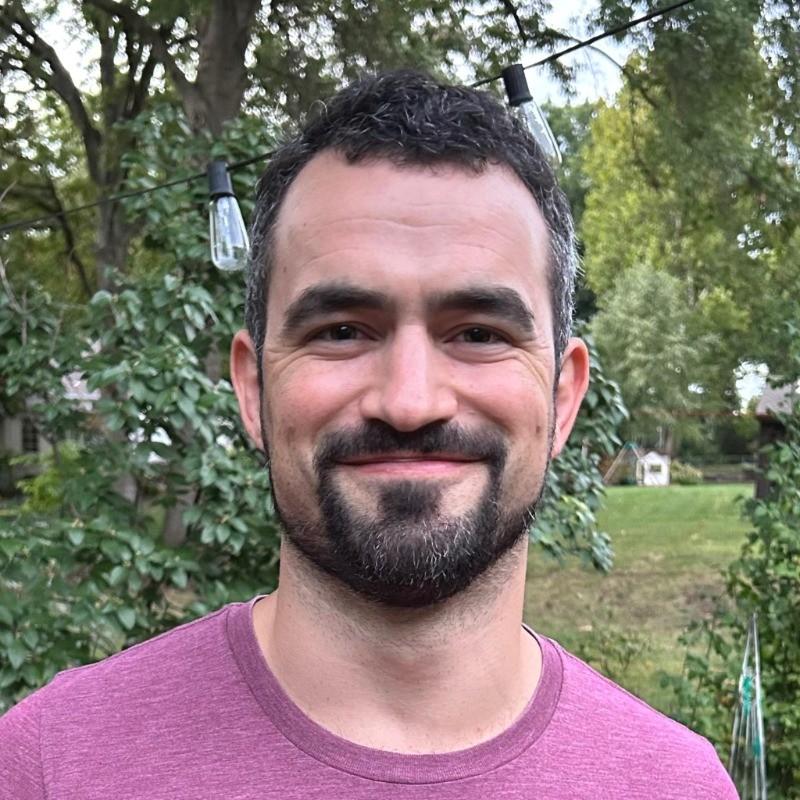
Roger Abbott founded Pure Kopi Luwak in 2018 after a trip through the volcanic highlands of Java, and has bought from the same farming families ever since. He only works with collectors of wild civet coffee, never caged. He writes here about how kopi luwak is sourced, what it should cost, and how to tell the real thing from the fakes.