In 2012, Canadian entrepreneur Blake Dinkin introduced a coffee that required 33 kilograms of raw cherries to produce a single kilogram of finished product — a yield so poor that even the most inefficient traditional farms would consider it a failed harvest. He named it Black Ivory Coffee, produced it in Thailand using elephants as the processing mechanism, and sold it exclusively to five-star hotels at around $50 per cup. By 2021, annual production had reached 215 kilograms globally. For context, a single medium-sized Indonesian coffee farm might produce that in a week.
The comparison to kopi luwak was immediate and inevitable. Both coffees rely on animal digestion as a processing step. Both command prices that would seem absurd for any other agricultural product. Both have accumulated skeptics who question whether the cup justifies the story. And both sit at an odd intersection of genuine rarity, defensible science, and the kind of narrative that makes people want to try them — or argue about them at dinner parties.
The comparison is worth making carefully, because the two coffees are different in more ways than just the animal involved.
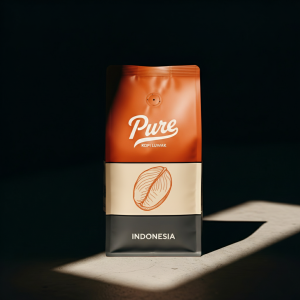
Pure Kopi Luwak
Wild civet coffee from Java. 88.5 SCA cupping score. From $125 for 100g.
The Production: Civets vs Elephants
Wild kopi luwak begins with Asian palm civets (Paradoxurus hermaphroditus) foraging through Java’s highland coffee plantations at night. These are small, nocturnal omnivores whose diet in the wild includes fruit, insects, and small vertebrates. During harvest season, coffee cherries become a significant part of their diet. A wild civet will sniff and taste cherries individually, bypassing underripe or overripe fruit for peak-ripe ones. Beans pass through their digestive systems in 12 to 24 hours; workers collect them from the forest floor, wash, dry, hull, and roast them.
Black Ivory’s process is structurally similar but operates at a different scale. Thai Arabica cherries are mixed with bananas, sugar cane, and rice — the normal diet of rescued elephants at the Golden Triangle Asian Elephant Foundation in Chiang Rai — and consumed along with regular meals. The elephant’s digestive transit time runs longer: approximately 15 to 30 hours, through a fermentation environment substantially different from a civet’s. Mahouts and their families then collect intact beans from the dung, which requires sorting through a much larger volume of material. It takes 33 kilograms of input cherries to yield one kilogram of finished Black Ivory coffee because elephants chew many beans, partially digest others, and simply pass some through without modification.
One critical difference in the starting material: elephants at these facilities are fed cherries as part of a controlled diet, without the selective pressure a wild civet applies. A wild civet chooses its cherries; an elephant eats what’s offered. This distinction in input quality is meaningful for the finished cup.
Try the coffee this article is about
Wild-sourced from Java, 88.5 SCA cupping score, free US shipping. From $125 for 100g.
Shop Pure Kopi Luwak →The Flavor: What the Science Actually Produces
Both coffees reduce bitterness through the partial hydrolysis of proteins during digestion — this is the mechanism that makes animal-processed coffee smoother than conventionally processed beans from the same origin. The enzymatic environment is different in each animal, which produces different flavor outcomes.
Well-sourced wild kopi luwak from Java tastes characteristically smooth, with a rounded body, low bitterness, and flavors that lean toward dark chocolate, earth, and a subtle fruitiness. The reduction in malic and citric acid concentration — documented in food chemistry research comparing kopi luwak to conventionally processed Javanese coffee — explains the absence of sharp acidity that defines most specialty coffees. The overall sensory experience is rounded rather than angular, deep rather than bright.
Black Ivory Coffee presents differently: more floral notes, hints of tamarind (which appears in the elephants’ regular diet), some herbaceous quality, and a softer acidity than most Thai Arabica. The longer fermentation time in the elephant’s larger digestive chamber produces more complex fermentation-derived flavors, at the cost of some of the clean clarity that well-processed kopi luwak achieves.
Neither is objectively better. They’re different expressions of what animal digestion does to coffee chemistry — one lean and chocolatey, one complex and fermented-fruity.
The Price and Accessibility Gap
This is where the comparison becomes practical. Wild Javanese kopi luwak from a quality producer retails for approximately $125 to $199 for 100 grams — expensive by any measure, but purchasable directly for home brewing. Black Ivory Coffee retails at around $3,000 per kilogram; the brand sells primarily to roughly 700 luxury hotels and resorts globally, with a direct consumer option for approximately $59 for 35 grams. At that price, a standard 15-gram pourover serving costs around $25 before you have left your kitchen.
The accessibility difference is not trivial if you are trying to actually drink the coffee rather than own it. Wild kopi luwak — properly sourced — can be brewed daily as an elevated cup, not just on occasions that justify $25 per serve. The per-cup math on a 100g bag of Javanese kopi luwak works out to $8 to $12 depending on brew method. That’s a luxury, not a hardship.
The Ethics Question
Black Ivory Coffee has been transparent about its animal welfare standards — the elephants at the Golden Triangle facility are rescues, the program contributes to their care costs, and the mahouts who manage them have documented relationships with specific animals spanning decades. On this dimension, the brand has done the work and earned its reputation.
Kopi luwak’s ethical record is more complicated because the term covers everything from genuinely wild-sourced Javanese beans to cage-farmed operations that amount to animal abuse in exchange for a premium label. The distinction between wild and farmed is the single most important thing to verify before buying any kopi luwak. Wild-sourced means free-ranging civets in real forest habitat, foraging on their own schedule. Farmed means caged animals fed indiscriminately, producing coffee that’s ethically indefensible and, as a bonus, generally worse. For a complete guide to identifying genuine wild-sourced kopi luwak, that’s the question to start with.
Which One to Actually Buy
If you’re weighing these two coffees as potential purchases, the decision comes down to what you’re actually trying to accomplish. For a daily home brewing ritual with one of the world’s most distinctive cups, wild Javanese kopi luwak is the practical choice — purchasable, storable, and brewable in your kitchen without requiring a hotel concierge. For an occasion-specific tasting experience at a luxury property, Black Ivory is genuinely interesting and well-managed.
The comparison between them is more complementary than competitive. They’re the same idea — animal digestion as a processing mechanism — executed differently by different animals, in different countries, for different audiences. Both are real. Both are unusual. The one worth buying for home depends on whether $3,000 per kilogram fits your definition of accessible coffee.
Pure Kopi Luwak
Wild civet coffee from Java. 88.5 SCA cupping score. From $125 for 100g.

Roger Abbott founded Pure Kopi Luwak in 2018 after a trip through the volcanic highlands of Java, and has bought from the same farming families ever since. He only works with collectors of wild civet coffee, never caged. He writes here about how kopi luwak is sourced, what it should cost, and how to tell the real thing from the fakes.