The 50th birthday occupies a different psychological territory than any other milestone. Not because of what it marks about age — most 50-year-olds will tell you they feel nothing like what 50 used to mean — but because of what it invites: a genuine pause, a moment of reflection that most adults quietly want to be honored rather than glossed over with something generic. That’s why gifting for a 50th is harder than any other birthday, and why the standard options — a nice bottle of wine, a weekend getaway voucher, a gift card for a spa — feel hollow when measured against the occasion.
A 100-gram bag of genuine wild kopi luwak has the properties that most 50th birthday gifts lack: it is specific, it is rare, and it comes with a story that requires no salesmanship to tell. The recipient will tell it themselves, every time they offer someone a cup.
Why Rarity Matters at 50
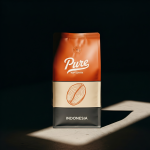
Premium wild kopi luwak — sourced from free-roaming Asian palm civets (Paradoxurus hermaphroditus) on Indonesian farms, collected from the forest floor rather than produced in cages — retails at up to $1,300 per kilogram for the most traceable, highest-quality wild-collected beans on the market. A 100-gram bag of Pure Kopi Luwak, at $125, makes that category accessible without requiring a quarterly bonus to justify. The cost-per-cup works out to roughly $6–$8 for a home-brewed cup — less than a specialty coffee shop pourover with table service, significantly more meaningful than anything from a supermarket shelf.

Pure Kopi Luwak
Wild civet coffee from Java. 88.5 SCA cupping score. From $125 for 100g.
What makes this work as a 50th gift is the alignment between the rarity of the object and the rarity of the occasion. A $125 bag of coffee is not an everyday purchase. Neither is a half-century of living. The proportion feels right in a way that most gifts in that price bracket don’t quite achieve.
The 50th Is the Birthday Where Experiences Beat Objects
By 50, most people who wanted a kitchen gadget have acquired one. Most who wanted a watch have one. The category of objects that can genuinely surprise a 50-year-old has narrowed considerably — which is why experiences, or objects that deliver experiences, consistently land better at this milestone than at others. Kopi luwak is a consumable, which means it can’t accumulate dust or occupy drawer space. It delivers the experience of something genuinely unusual — a flavor profile that no other coffee produces, from a process that takes place in the forests and highland farms of Java and Sumatra — and it invites the recipient to do something intentional: brew it carefully, drink it slowly, notice the difference.
That kind of invitation suits a 50th birthday better than an object that sits on a shelf. The gift is the experience it enables, not the thing itself.
Who This Works For
The obvious target is a confirmed coffee drinker. But kopi luwak’s specific profile — low in bitterness, reduced in sharp acidity, full-bodied and smooth — makes it a compelling introduction for someone who considers themselves only a casual coffee drinker. The smoothness that makes wild kopi luwak exceptional is the same quality that makes it accessible to people who have historically softened every cup with milk and sugar. One of the more interesting reactions comes from habitual latte drinkers who discover they can drink wild kopi luwak black, which they’ve never managed with any other coffee.
For someone who already considers themselves a coffee enthusiast, the gift lands differently: as recognition that their interest is worth taking seriously, that the person giving it thought beyond a bag from a supermarket shelf. That kind of recognition is exactly what a 50th birthday gift should deliver.
How to Present It
The gift is enhanced significantly by what you say when you give it. A single handwritten line on a card does more than paragraphs of explanation: “100 grams of the rarest coffee in the world. For 50 years well spent.” You don’t need to explain the civets, the Javanese highlands, or the enzymatic processing that distinguishes wild-sourced from cage-farmed imitations — though if the conversation goes there, it will, and it will be interesting. The object itself prompts those questions.
If you want to build it into a wider gift, a 100-gram bag pairs naturally with a quality hand grinder (entry-level Commandante or Timemore models run $60–$120), a Chemex or V60, or a set of tasting cups. None of that is required. The bag stands alone — it’s the coffee itself that earns the gift, not the accessories surrounding it.
What to Avoid When Buying
Not all kopi luwak is the same, and the gap between genuine wild-sourced and cage-farmed imitation is substantial enough that buying the wrong kind undermines the gift entirely. Cage-farmed kopi luwak — produced from civets kept in stressful conditions and fed indiscriminate diets — lacks the enzymatic quality of wild-collected beans. It produces flat, unremarkable coffee that tastes nothing like what the gift is supposed to represent. Price alone isn’t a reliable guide; some cage-farmed product carries premium labels and inflated prices.
The reliable indicators: specific origin (named island, named farm or region), confirmed wild-sourced rather than farmed, and transparency about collection methods. Vague labeling — “Indonesian kopi luwak,” no further detail — is a warning sign at any price point.
Pure Kopi Luwak
Wild civet coffee from Java. 88.5 SCA cupping score. From $125 for 100g.

Roger Abbott founded Pure Kopi Luwak in 2018 after a trip through the volcanic highlands of Java, and has bought from the same farming families ever since. He only works with collectors of wild civet coffee, never caged. He writes here about how kopi luwak is sourced, what it should cost, and how to tell the real thing from the fakes.