Vietnam is the second-largest coffee producer on earth, trailing only Brazil. In 2023, it exported approximately 1.8 million metric tons of green coffee — a volume achieved almost entirely through robusta cultivation, a variety chosen for yield and disease resistance rather than the layered flavor profiles that specialty buyers pursue. The average cup of coffee produced by that industry costs $0.50 to $2.00 and is designed to be drunk with sweetened condensed milk and ice, its bitterness and intensity deliberately calibrated for dilution. Java, roughly 1,500 kilometers to the south, produces perhaps 700 kilograms of genuine wild kopi luwak annually — a number representing the output of free-roaming Asian palm civets across multiple highland farms, collected by hand from the forest floor. These two coffees occupy the same broad category in the technical sense and almost nothing else.
The comparison is worth making because it illustrates, more vividly than most contrasts can, what different philosophies of coffee produce when followed to their logical extremes.
The Vietnamese Approach: Strength as the Point
Ca phe sua da — iced milk coffee brewed through a phin filter — is the coffee Vietnam is most famous for internationally, and the drink that has driven the country’s emergence as a global coffee culture reference point over the last decade. The phin is a small aluminum or stainless-steel drip device that sits on top of a glass; coarsely ground robusta is packed in, near-boiling water is added, and the coffee drips through over 5–7 minutes into sweetened condensed milk below. The result is dense, dark, intensely caffeinated. Robusta contains approximately 40–50 percent more caffeine than Arabica on a per-bean basis and contributes a sharp, earthy bitterness that cuts through the sweetness of the condensed milk rather than disappearing into it.
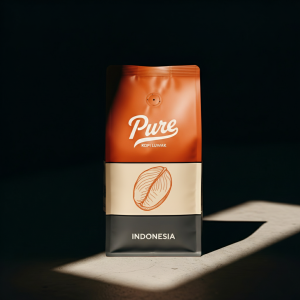
Pure Kopi Luwak
Wild civet coffee from Java. 88.5 SCA cupping score. From $125 for 100g.
This is a perfectly valid philosophy. It produces a genuinely delicious drink that has earned global popularity for good reasons. It also produces a coffee that, drunk black without the condensed milk, most specialty drinkers would find aggressive and one-dimensional. Vietnamese robusta isn’t designed to be drunk straight. It’s a structural component in a specific preparation.
Try the coffee this article is about
Wild-sourced from Java, 88.5 SCA cupping score, free US shipping. From $125 for 100g.
Shop Pure Kopi Luwak →The Kopi Luwak Approach: Reduction as the Point
Wild kopi luwak operates from an entirely different premise. The Asian palm civet (Paradoxurus hermaphroditus) selects only peak-ripe Arabica cherries from Javanese highland farms, consuming them for their sugar content. During the 12–24 hours the bean spends in the civet’s digestive tract, proteolytic enzymes partially hydrolyze bitter proteins, and the acidic digestive environment modifies the surface chemistry of the bean in ways that reduce sharp acidity. The result is an Arabica that has had its edges softened before the farmer even begins processing — reduced in bitterness, reduced in sharpness, full-bodied and smooth in ways that the best conventional processing can approach but not quite replicate.
Where Vietnamese coffee amplifies and confronts, kopi luwak softens and reveals. The point of wild kopi luwak is not what you add to it; it’s what you don’t need to add. Drunk black, without condensed milk or sugar or a food pairing to buffer its edges, a well-sourced wild kopi luwak from Java is already what most coffees need help becoming.
Flavor Profiles Compared
Good Vietnamese robusta brewed in a phin, drunk without milk: intensely bitter, earthy, almost smoky, with a viscous body and high caffeine impact. Very consistent batch to batch — consistency at that production scale is genuinely difficult to achieve and commercially important. A coffee that commands respect for what it’s designed to do, even if what it’s designed to do isn’t nuanced.
Good wild kopi luwak from Java: medium-bodied, chocolate-forward, low bitterness, quiet acidity, with an earthy finish that lingers cleanly. Complex enough that it tastes slightly different on different days depending on water quality, brew temperature, and attention. Not consistent in the way commodity coffee is consistent — each batch varies slightly, as any genuine single-origin specialty product does. This variability is a feature, not a flaw.
The price gap reflects both production cost and philosophy. Vietnamese robusta: under $5 per kilogram at the farm. Wild kopi luwak: up to $1,300 per kilogram at the premium end. A 100-gram bag of Pure Kopi Luwak, at $125, puts the wild-sourced category within reach without requiring per-kilo economics.
Who Each Coffee Is For
Vietnamese coffee is for people who want a powerful caffeine delivery system dressed in a compelling cultural preparation. It rewards the ritual of the phin filter, the patience of the slow drip, and the specific pleasure of the sweet-bitter contrast. It’s accessible, globally available, and genuinely satisfying in its context. The ca phe sua da you drink at a sidewalk table in Hanoi at 7:00 AM is a complete experience — not a compromise.
Wild kopi luwak is for people who want to understand what coffee tastes like when every variable — the starting cherry quality, the processing method, the enzymatic transformation — has been optimized for nuance rather than yield. It’s for the drinker who has worked through the specialty coffee canon and wants something more precise, more unusual, and more connected to the specific hillside and specific animal that produced it.
The interesting thing about this comparison is that it doesn’t produce a winner. They’re answering different questions. Vietnamese coffee asks: how intense, how accessible, and how culturally rich can a daily cup be? Kopi luwak asks: how smooth, how rare, and how specific can a single cup be? If you’re asking the first question, ca phe sua da is one of the best answers in the world. If you’re asking the second, wild kopi luwak from Java is hard to beat at any price.
Pure Kopi Luwak
Wild civet coffee from Java. 88.5 SCA cupping score. From $125 for 100g.
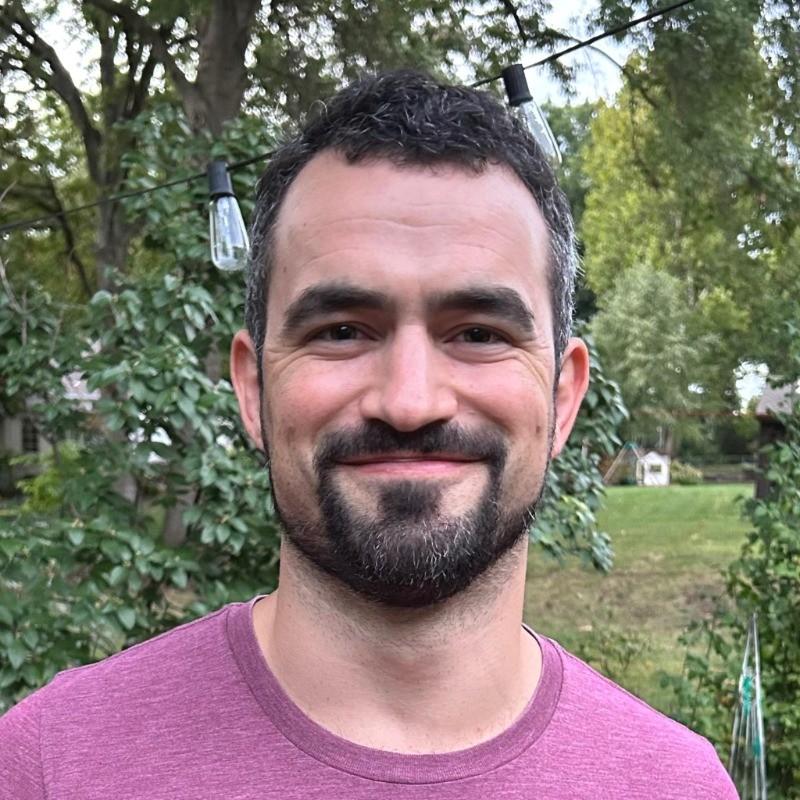
Roger Abbott founded Pure Kopi Luwak in 2018 after a trip through the volcanic highlands of Java, and has bought from the same farming families ever since. He only works with collectors of wild civet coffee, never caged. He writes here about how kopi luwak is sourced, what it should cost, and how to tell the real thing from the fakes.