Ethiopian Yirgacheffe is the coffee that converted a generation of commodity drinkers to specialty. Grown in the forested highlands of Gedeo Zone in southern Ethiopia at elevations between 1,700 and 2,200 metres, it produces a cup profile that most people find startling the first time: bright citric acidity, jasmine and bergamot florals, stone fruit, blueberry in natural-process versions, a finish that is clean and persistent. It tastes like something is being done to the coffee beyond just growing and roasting it. Nothing special is. That is simply what high-altitude Ethiopian heirloom arabica does.
Kopi luwak from Java does something entirely different, achieved through entirely different means, at a price roughly four to six times higher per 100g for wild-sourced product. Comparing the two is not a question of which is better. It is a question of what kind of exceptional you are looking for — and what is driving the price in each case.
What Yirgacheffe Is Doing
Yirgacheffe’s flavor intensity comes primarily from genetics and altitude. The heirloom varieties grown in Gedeo Zone — many of them wild or semi-wild landraces that have not been hybridized for yield or disease resistance — produce beans with a naturally high concentration of aromatic precursors. High altitude slows cherry development, concentrating sugars and building complexity. The result is a coffee that cupping panels consistently score in the 86–93 SCA range for the best lots, putting it firmly in specialty territory by any measure.
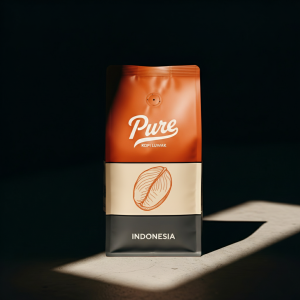
Pure Kopi Luwak
Wild-sourced. Organic. Arabica. From $125.
Processing method matters significantly. Washed Yirgacheffe tends toward clean citrus and floral notes with high clarity. Natural-process Yirgacheffe adds stone fruit and a wine-like depth. Neither profile is universally preferred. But both are expressions of the same geographic and genetic character, which is what makes Yirgacheffe a useful reference point: it is the flavor of a specific place expressed at maximum intensity.
Specialty-grade Yirgacheffe — the kind that carries a lot name, a producer, and a documented cupping score — typically retails between $18 and $40 per 100g, depending on the roaster and the year’s harvest quality. Expensive by commodity standards. Accessible by the standards of what it delivers.
What Kopi Luwak Is Doing
Wild kopi luwak’s distinction comes from a biological transformation that happens before processing, not from altitude or genetics alone. Asian palm civets in Java’s forests select ripe coffee cherries — research has documented their preference for high-brix fruit — and during the roughly 24 hours the cherry spends passing through the digestive system, the pulp ferments away and enzymes in the digestive tract modify specific proteins in the bean. The result is a coffee that brews with a measurably different chemical profile: lower acidity, reduced bitterness, and a smoothness that most tasters can identify in a side-by-side comparison.
A 2023 metabolite profiling study published in PMC (PMC9960232) used NMR spectroscopy and chemometric tools to compare kopi luwak to conventional arabica. It found substantially lower levels of caffeine and trigonelline in the civet-transformed beans — alkaloids that contribute to bitterness and perceived intensity. The flavor profile reflects this chemistry: less bitterness, a creamier body, and dominant notes of chocolate, caramel, and mild earth that sit at the opposite end of the flavor spectrum from Yirgacheffe’s brightness.
The price premium — $125 to $199 per 100g for wild-sourced Java kopi luwak — reflects genuine scarcity. Authentic wild production is measured in hundreds of kilograms annually, not tons. It cannot be scaled without caging civets, which changes the product fundamentally and produces an inferior result, as the comparison between wild and farmed product makes clear. The price is the market-clearing rate for something that exists in very limited quantities.
The Flavor Comparison
These two coffees do not compete for the same palate. Yirgacheffe is for people who love brightness — who reach for the washed Ethiopian because they want that citric snap and the floral lift that opens as the cup cools. Kopi luwak is for people who find high-acid coffees fatiguing, who have always preferred the gentler side of arabica, who want a cup smooth enough to drink black but complex enough to reward attention.
A Yirgacheffe devotee will not necessarily love kopi luwak. The flavor directions are almost inverted: Yirgacheffe is bright, fruity, aromatic; kopi luwak is smooth, chocolatey, earthily warm. Someone who drinks both will tell you they are useful for different moods — the Yirgacheffe for the morning when you want to feel awake immediately, the kopi luwak for a Saturday when you want something to sit with.
The Price Comparison
Yirgacheffe at $25–40 per 100g is expensive but within reach for anyone who takes specialty coffee seriously. Kopi luwak at $125–199 per 100g is a deliberate luxury purchase — the kind most people make once, for a specific reason: a gift, a special occasion, or the explicit purpose of having experienced it. The cost per cup for kopi luwak at a standard 10–12g dose works out to roughly $12–20, which is approximately what a specialty cafe charges for an unusual guest pour.
The honest question is what you are buying. With Yirgacheffe, you are buying terroir: a specific place’s expression of coffee at its genetic best. With kopi luwak, you are buying transformation: a biological process applied to good arabica that produces a cup profile no other method replicates. Both are legitimate reasons to pay a premium. They are just different ones.
A practical note for buyers: if choosing between the two as a gift, the deciding factor is the recipient’s existing preferences. A drinker who has always preferred the low-acid side of arabica — Sumatran, Brazilian, aged Javanese — will find wild kopi luwak the more resonant choice. For a full picture of what to expect in the cup, the tasting notes guide covers the experience from aroma through finish.
Pure Kopi Luwak
Wild-sourced. Organic. Arabica. From $125.
Roger Abbott is the founder of Pure Kopi Luwak. He has spent over a decade sourcing wild kopi luwak directly from farmers and collectors in the highlands of Java, Indonesia — working exclusively with wild civets, never caged. He writes about specialty coffee, Indonesian origins, and the science behind what makes kopi luwak taste the way it does.
