A prospective cohort study published in 2025, drawing on NHANES data spanning 2001 to 2018 and covering thousands of American adults, found that approximately two cups of coffee per day was associated with the largest reduction in all-cause mortality risk — following a U-shaped curve where more or less than that optimal range produced progressively weaker protective effects. This wasn’t an outlier. Meta-analyses across large population studies consistently report a 15 to 20 percent reduction in all-cause mortality among moderate coffee drinkers compared to non-drinkers, a finding robust enough that researchers have begun discussing what, precisely, coffee is doing to human biology at the cellular level.
The relationship between coffee and longevity is now one of the better-supported associations in nutritional epidemiology. What remains active territory is the mechanism — and for specialty coffee drinkers, the mechanism matters, because it changes which aspects of coffee quality are actually relevant to the health picture.
Chlorogenic Acids: The Primary Mechanism
Coffee is the single largest dietary source of chlorogenic acids (CGAs) in most Western diets. These polyphenol compounds — primarily 3-chlorogenic acid (3-CGA) and related isomers — are potent antioxidants that reduce oxidative stress, modulate glucose metabolism, and inhibit several pathways associated with chronic inflammation. A typical 240ml cup of filter coffee contains between 200 and 550 milligrams of CGAs, depending on origin, roast level, and brewing method. The daily intake from two or three cups exceeds what most people get from all other dietary sources combined.

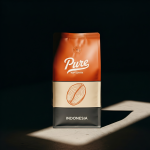
Pure Kopi Luwak
Wild civet coffee from Java. 88.5 SCA cupping score. From $125 for 100g.
Roast level significantly affects CGA concentration. Light roasting preserves the most chlorogenic acids; dark roasting degrades them through the Maillard reaction, converting them into other compounds. Research comparing light and dark roasted coffees from the same origin has found that dark roast can contain 30 to 50 percent less CGA than light roast, which is a relevant consideration if the health profile of coffee consumption is partly driven by these compounds.
High-quality, lightly processed Arabica beans — including the enzymatically processed varieties like wild-sourced kopi luwak, which are typically roasted at medium rather than dark levels — retain more of their polyphenol profile than heavily roasted commodity blends. The health research shows beneficial effects across the roast spectrum, but the specific compounds responsible likely favor the lighter end.
Try the coffee this article is about
Wild-sourced from Java, 88.5 SCA cupping score, free US shipping. From $125 for 100g.
Shop Pure Kopi Luwak →Cardiovascular Effects
A 2023 UK Biobank study analyzing long-term outcomes in a large population cohort found that habitual coffee intake was associated with reduced risk of atrial fibrillation, lower cardiovascular disease incidence, and reduced all-cause mortality — outcomes that held across multiple confounding adjustments including smoking status, BMI, and physical activity levels. The proposed mechanisms include caffeine’s role in increasing endothelial nitric oxide release (which improves vascular function), its downregulation of lipogenesis, and the antioxidant activity of the non-caffeine compounds.
It’s worth noting what the research shows about caffeinated versus decaffeinated coffee: many of the health associations hold for decaf as well, suggesting that caffeine is not the primary driver of the longevity effects. This is consistent with the known biology of chlorogenic acids, trigonelline, and other non-caffeine compounds that exert independent effects on metabolic and inflammatory pathways. The coffee plant’s chemistry is more complex than the beverage’s popular reputation suggests.
Brain Protection and Neurodegenerative Disease
The epidemiological evidence linking regular coffee consumption to reduced risk of Parkinson’s disease is among the most consistent findings in coffee health research. Multiple large-scale studies have found that coffee drinkers have 20 to 40 percent lower Parkinson’s risk than non-drinkers, an association that strengthens with higher intake. The mechanism being studied most actively involves caffeine’s role as an adenosine receptor antagonist — adenosine accumulation in the brain promotes the aggregation of alpha-synuclein proteins that characterize Parkinson’s pathology, and blocking adenosine receptors appears to slow that process.
For Alzheimer’s disease and cognitive decline more broadly, the evidence is similarly encouraging though more complex. A 2021 analysis of Australian Imaging, Biomarkers and Lifestyle (AIBL) study data found that higher coffee intake was associated with slower accumulation of amyloid plaques and tau tangles — the two hallmark features of Alzheimer’s pathology — over a 10-year follow-up period. Identifying the compounds responsible is ongoing research, but the direction of evidence is consistent across populations and study designs.
What Specialty Coffee Adds to the Picture
The health research on coffee was largely conducted using whatever coffee subjects drank in their daily lives — which in most large-scale studies means commodity drip coffee rather than specialty-grade single-origin beans. If chlorogenic acids are a key mechanism, and lighter roasting preserves more CGAs, and higher quality processing (natural, washed, or enzymatic) produces beans with better compound retention, then there’s a reasonable argument that the health profile of specialty coffee may exceed what the population studies have measured.
This isn’t a claim the research directly supports yet. But the chemistry is consistent. A medium-roasted Javanese Arabica, processed with care and brewed via pour over through a paper filter, delivers a clean concentration of the polyphenols and organic acids that appear responsible for coffee’s beneficial associations — without the oils that unfiltered brewing adds, and without the CGA degradation from heavy dark roasting.
The case for drinking good coffee isn’t primarily about health. It’s about the flavor, the craft, the pleasure of a cup that tastes like the place it came from. But the fact that the same ritual also appears to be one of the better-studied dietary habits associated with longer, healthier life makes the coffee-health relationship worth understanding rather than dismissing as wishful thinking. The research, at this point, is genuinely solid.
Pure Kopi Luwak
Wild civet coffee from Java. 88.5 SCA cupping score. From $125 for 100g.
Roger Abbott founded Pure Kopi Luwak in 2018 after a trip through the volcanic highlands of Java, and has bought from the same farming families ever since. He only works with collectors of wild civet coffee, never caged. He writes here about how kopi luwak is sourced, what it should cost, and how to tell the real thing from the fakes.