Pour a double espresso and a standard pour-over into separate glasses and you’re looking at two liquids that share almost nothing except their origin in the same plant. Espresso is typically 8-12% total dissolved solids — the actual coffee matter suspended and dissolved in the liquid. A well-brewed pour-over sits at roughly 1.15-1.45% TDS. The espresso is somewhere between six and ten times more concentrated, produced in 25-30 seconds rather than four minutes, under 9 bars of pressure rather than the 1 bar of atmospheric pressure governing a filter brew. These aren’t variations on the same process. They’re fundamentally different extraction systems.
Understanding what drives those differences illuminates why you can’t just drop one brew method into a conversation about the other, and why serious coffee producers and roasters increasingly think in terms of how a specific coffee is intended to be brewed, rather than treating all methods as interchangeable.
Pressure as the Core Variable
Espresso’s defining characteristic is pressure. Espresso machines force hot water through a compacted bed of finely ground coffee at 9 bars — roughly nine times atmospheric pressure. This does several things simultaneously. It dissolves coffee solids faster and more completely than gravity alone. It emulsifies the insoluble oils in the coffee, creating the creamy, opaque texture that defines a good espresso. And it produces the crema — that reddish-brown foam that forms on the surface — by forcing CO₂ out of solution as pressure drops when the liquid exits the puck.
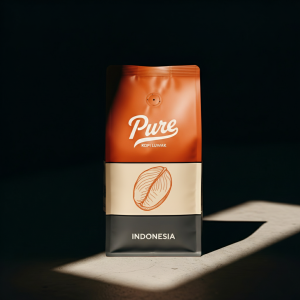
Pure Kopi Luwak
Wild-sourced. Organic. Arabica. From $125.
Drip and pour-over brewing use only gravity and the natural capillary action of water moving through coffee grounds. The extraction rate is slower, the dissolved solids concentration is far lower, and the insoluble oils either bind to paper filters (in most filter methods) or settle and remain (in metal filter methods like AeroPress or French press). The resulting beverage is cleaner and more transparent in flavor — specialty coffee tasters often prefer filter brewing for evaluating the nuanced characteristics of a specific origin precisely because the low-TDS environment allows subtle flavors to register distinctly.
Research at espresso outlets confirms that lower pressures (6 bars) result in lower extraction yields and under-extracted flavors, while higher pressures (12 bars) push extraction into over-extracted territory. The 9-bar standard that has dominated commercial espresso for decades emerged from decades of empirical iteration by Italian café culture, not from first-principles chemistry. Some modern espresso machines now offer variable pressure profiling — the ability to apply different pressures across the extraction timeline — which has produced interesting results in specialty coffee, allowing baristas to apply lower initial pressure that builds gradually, improving uniformity through the puck.
What “Extraction Yield” Actually Means
One number that confuses the espresso-versus-filter conversation is extraction yield — the percentage of the dry coffee mass that actually ends up in the cup. This sits at 18-22% for both well-made espresso and well-made filter coffee, despite their wildly different concentrations. The difference is that espresso uses far more coffee per unit of water: a typical double shot uses 18-20 grams of ground coffee to produce 36-40 grams of liquid beverage. A pour-over might use 15 grams of coffee to produce 250 grams of liquid.
The same 18-22% extraction yield applied to these very different ratios produces the concentration difference. Strength (TDS) and extraction (how thoroughly the soluble compounds were removed from the grounds) are separate variables that move somewhat independently. You can have a weak but over-extracted espresso, or a strong but under-extracted one. The ability to distinguish these two dimensions is what separates skilled baristas from people who merely push buttons.
Temperature and Its Effects
Brew temperature affects which compounds extract preferentially, and the two methods handle it differently. Specialty espresso is typically brewed at 90-94°C, the lower end of that range often preferred for lighter roasts where acidic brightness is a feature rather than a flaw. Higher temperatures extract more quickly and more aggressively, which for dark roasts adds bitterness; for lighter roasts it can accentuate fruit-forward acidity in ways that work well in espresso but require careful calibration.
Pour-over temperatures typically range from 90-96°C, with most specialty coffee protocols recommending around 93°C for medium roasts. The longer contact time in filter brewing means temperature has more time to drive extraction — a filter brew at 88°C will under-extract noticeably, producing a flat and sweet cup that lacks complexity. Because water cools as it travels through the grounds and filter, pour-over brewers must account for temperature loss; this is why specialty protocols instruct you to preheat your dripper and cup before brewing.
How This Applies to Premium Coffee
For coffee where origin character matters — single-origin beans, naturally processed coffees, or the exceptionally complex enzymatic character of wild-sourced kopi luwak — the choice of brew method is genuinely consequential. Kopi luwak’s distinctive smoothness, reduced bitterness, and complex low-acid profile express themselves differently under the two systems.
In an espresso context, the concentrated extraction amplifies the body and mouthfeel while the pressure-emulsified oils add texture. Kopi luwak espresso can be exceptional — the smoothness that distinguishes it from conventional espresso becomes even more apparent when the comparison is side-by-side. But fine-grained flavor nuances that make a specific lot interesting can get compressed or lost under the intensity of espresso extraction.
Filter methods — pour-over particularly — create more space for those nuances. The clean 1.2-1.4% TDS environment of a well-made Chemex or V60 allows the subtler aromatic character of high-quality beans to register without the intensity of espresso concentration. Specialty coffee competitions consistently feature filter brewing as the primary evaluation format for single-origin lots precisely for this reason. If you’re buying expensive coffee to understand what makes it distinctive, a Chemex or pour-over is often the format that reveals the most.
Practical Differences in Dose, Ratio, and Equipment
Espresso equipment represents a much higher barrier to entry than filter brewing. Entry-level machines capable of maintaining consistent 9-bar pressure and stable brew temperature start around $300-400 and require a matching quality burr grinder; the grinder is often the more important investment, since espresso grind tolerance is exceptionally narrow. A 0.1mm difference in burr setting can push an espresso from under-extracted to over-extracted on the same beans.
Filter brewing is dramatically more forgiving and more accessible. A quality AeroPress produces excellent results for under $40. A good hand pour-over setup — dripper, scale, quality grinder, gooseneck kettle — can be assembled for $100-150. The lower barrier, combined with the format’s strength in evaluating origin character, makes filter brewing the dominant choice among specialty coffee enthusiasts who prioritize bean quality over intensity.
The question “which is better” is unanswerable because the two formats serve different purposes. Espresso is a concentrated sensory experience, a delivery vehicle for intensity and texture, the foundation of milk-based drinks where it needs to punch through dairy. Filter coffee is a transparent medium for evaluating what makes a specific coffee interesting, a gentler extraction system that rewards premium beans with clarity. The best answer most specialty roasters give is: keep both in your rotation, and learn which of your favorite coffees shows better in each format. The answer is almost never the same for every coffee you buy.
Pure Kopi Luwak
Wild-sourced. Organic. Arabica. From $125.

Roger Abbott is the founder of Pure Kopi Luwak. He has spent over a decade sourcing wild kopi luwak directly from farmers and collectors in the highlands of Java, Indonesia — working exclusively with wild civets, never caged. He writes about specialty coffee, Indonesian origins, and the science behind what makes kopi luwak taste the way it does.
