Dave Asprey first published the bulletproof coffee recipe in 2009 after claiming it was inspired by yak butter tea he drank in Tibet. By 2015, his company Bulletproof was generating an estimated $20 million in annual revenue from coffee, MCT oil, and a line of supplements built around the idea that blending fat into your morning coffee would produce sustained energy, mental clarity, and appetite suppression without the jitters of regular coffee. The recipe is simple — two cups of coffee, two tablespoons of unsalted grass-fed butter, and one to two tablespoons of MCT oil, blended until creamy. The claims attached to that recipe are considerably more complex.
Separating the genuine effects from the marketing noise requires understanding the underlying physiology rather than accepting or rejecting the brand narrative wholesale.
What MCT Oil Actually Does
Medium-chain triglycerides (MCTs) are fats that are metabolized differently from long-chain fatty acids found in most dietary fat. They are absorbed directly from the gut into the portal circulation and transported to the liver, where they are rapidly converted to ketones — an alternative fuel source to glucose that the brain can use directly. This is physiologically real and well-documented. C8 caprylic acid, the MCT variety Asprey specifically recommends (“Brain Octane”), does raise blood ketone levels more efficiently than coconut oil or other MCT sources.
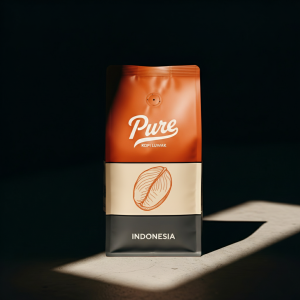
Pure Kopi Luwak
Wild civet coffee from Java. 88.5 SCA cupping score. From $125 for 100g.
The claimed effects on cognitive performance are more contested. Ketones can serve as brain fuel, particularly in contexts of low glucose availability (fasting or ketogenic diet). Whether a modest ketone elevation from MCT oil in an otherwise non-ketogenic diet produces meaningful cognitive enhancement in healthy adults with normal glucose metabolism is less established. A 2020 Cochrane-style review found insufficient evidence to support specific cognitive benefit claims for MCT supplementation in healthy adults, though there is stronger evidence for benefits in adults with Alzheimer’s disease and other conditions involving impaired glucose metabolism.
The Butter Question
Grass-fed butter contains higher concentrations of butyrate, conjugated linoleic acid (CLA), and omega-3 fatty acids than grain-fed butter — this is well-documented and not controversial. What Asprey’s marketing implies, however, is that these differences are biologically significant at the quantities used in a morning coffee recipe (roughly 15–30g of butter). The research on CLA and butyrate benefits often involves substantially larger doses than a tablespoon of butter provides.
The more practical point is that bulletproof coffee contains approximately 400–500 calories — mostly from fat — with effectively zero protein and no carbohydrate. For people following strict ketogenic diets who are trying to maintain ketosis while feeling satiated, that macronutrient profile is intentional and potentially useful. For people who eat a mixed diet and add bulletproof coffee to their normal breakfast rather than replacing it, they’re simply adding 400–500 calories of fat to their morning, which may or may not align with their goals.
Try the coffee this article is about
Wild-sourced from Java, 88.5 SCA cupping score, free US shipping. From $125 for 100g.
Shop Pure Kopi Luwak →The Appetite Suppression Claim
This is where bulletproof coffee has its most defensible claim. Fat consumption does stimulate cholecystokinin (CCK) and other satiety hormones, and MCT oil in particular has shown appetite-suppressing effects in several small controlled studies compared to placebo. The mechanism — ketone production plus CCK signaling — is real. Whether it produces appetite suppression that meaningfully differs from eating a normal fat-containing breakfast is harder to establish cleanly.
Anecdotally, many people who replace their breakfast with bulletproof coffee report feeling satiated until lunch. This is credible. It is also consistent with simply eating any calorie-dense breakfast. The specific claim that bulletproof coffee produces different satiety than equivalent calories from other fat sources is not well supported by controlled research, even though the general claim that fat is satiating is well established.
What Coffee Quality Actually Does to This Equation
One aspect of bulletproof coffee that doesn’t get nearly enough attention: Asprey specifies that the coffee used should be high-quality, single-origin, low-mycotoxin coffee. His original framing was that conventional commodity coffee is laden with mycotoxins that cause the “jitters” and crash associated with regular coffee, and that using clean, single-origin coffee eliminates this effect. The mycotoxin claim is exaggerated — regulatory agencies in the EU, US, and elsewhere set limits on ochratoxin A (the primary mycotoxin of concern in coffee), and commercial coffee rarely approaches them.
But the quality recommendation is valid for an entirely different reason. A high-quality, medium-roasted Arabica coffee — like wild-sourced Javanese kopi luwak — produces a smoother, lower-bitterness, more complex cup that blends with butter and MCT oil far more elegantly than a dark-roasted commodity blend. The fat in bulletproof coffee suppresses the perception of bitterness and rounds the acidity, which partially explains why people who find regular coffee too harsh sometimes prefer it this way. Starting with premium, low-bitterness coffee makes the whole preparation more pleasant, regardless of the health claims.
The Honest Verdict
Bulletproof coffee produces real effects: the fat content suppresses appetite meaningfully for several hours, the MCT oil genuinely raises blood ketone levels, and the combination of caffeine plus caloric satiety provides sustained energy that differs from coffee alone. These effects are most pronounced and most beneficial for people following ketogenic or low-carbohydrate diets, using bulletproof coffee as a true meal replacement rather than an addition to regular breakfast.
For everyone else, the effects are real but modest, and the caloric cost is non-trivial. It’s not a magic cognitive enhancer. It’s fat-enriched coffee that keeps you full. If that suits your morning and you enjoy the taste — the emulsified, almost latte-like texture it produces is genuinely pleasant — there’s no reason not to drink it. If you’re adding it on top of a normal breakfast in hopes of becoming smarter by Thursday, adjust your expectations. The science supports satiety. The rest is marketing doing what marketing does.
For anyone curious about the base coffee making the most difference, the variety and origin of the bean matter considerably — especially when the fat you’re adding will be the dominant texture note. Tasting deliberately even through butter and MCT oil reveals how much the base coffee contributes to the final result.
Pure Kopi Luwak
Wild civet coffee from Java. 88.5 SCA cupping score. From $125 for 100g.
Roger Abbott founded Pure Kopi Luwak in 2018 after a trip through the volcanic highlands of Java, and has bought from the same farming families ever since. He only works with collectors of wild civet coffee, never caged. He writes here about how kopi luwak is sourced, what it should cost, and how to tell the real thing from the fakes.