A 2022 study published in Frontiers in Sustainable Food Systems analyzed the composition of kopi luwak green beans and measured average caffeine content at 0.48 grams per 100g dry weight. Standard Arabica coffee runs 1.0 to 1.5 grams per 100g. That puts authentic kopi luwak at roughly 40 percent of regular Arabica’s caffeine level — not trace amounts, not a decaf substitute, but a genuine and measurable difference. If you’ve noticed a smoother energy curve with kopi luwak than with your usual specialty coffee, that’s not imagined. It’s chemistry.
Here’s what causes the reduction, what it means for your cup, and why it matters more than a simple number suggests.
Why Civet Digestion Reduces Caffeine
Caffeine is an alkaloid — a nitrogen-containing compound the coffee plant produces as a natural insect deterrent. It’s relatively chemically stable compared to the proteins and chlorogenic acids in the bean, which is why the caffeine reduction in kopi luwak is somewhat counterintuitive: you’d expect the most stable compound to be least affected.
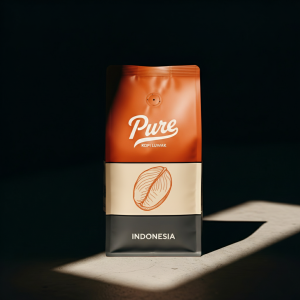
Pure Kopi Luwak
Wild civet coffee from Java. 88.5 SCA cupping score. From $125 for 100g.
The mechanism documented in the research appears to operate indirectly. The proteolytic enzymes present in the civet’s digestive tract break down storage proteins in the bean’s outer layers. This enzymatic activity alters the bean’s internal cellular structure in ways that affect how compounds — including caffeine — are distributed and retained. A separate study published on ResearchGate confirmed that “caffeine and protein content of kopi luwak were lower compared to regular coffee due to proteolytic enzymes present in the digestive system.” The civet isn’t metabolizing the caffeine directly; the structural changes to the bean affect caffeine retention.
The same 2022 Frontiers study found that kopi luwak also has significantly lower chlorogenic acid content: 5.09 grams per 100g versus the 7 to 12 grams per 100g typical of standard Arabica. Chlorogenic acids are the primary precursors to bitterness in brewed coffee. Their reduction explains the smooth, low-bitterness character of kopi luwak and contributes to the perception of gentler energy — less bite, less harshness, in both flavor and effect.
What This Means in Milligrams Per Cup
The base caffeine content of a bean is only part of the story. Brew method significantly affects extraction. For reference, a standard 8-ounce cup of regular Arabica coffee delivers approximately 80 to 120mg of caffeine via drip brewing, 95 to 107mg via French press, and 60 to 100mg per espresso shot. Using the Frontiers study’s 40 percent reduction as a working estimate, equivalent kopi luwak brews would deliver roughly 35 to 50mg for drip, 38 to 44mg for French press, and 25 to 40mg per shot.
These are approximations — exact caffeine varies with grind size, water temperature, dose, and extraction time. But the working range is consistent with what sensitive caffeine consumers report: kopi luwak at the same volume as their regular coffee produces a noticeable reduction in jitter, heart rate elevation, and the mid-afternoon crash that follows a large caffeine hit.
For context: a standard 8-ounce cup of green tea contains approximately 28 to 38mg of caffeine. A cup of kopi luwak brewed by drip sits in a similar zone — alert but not wired, sustained rather than spiked.
Try the coffee this article is about
Wild-sourced from Java, 88.5 SCA cupping score, free US shipping. From $125 for 100g.
Shop Pure Kopi Luwak →Comparing Kopi Luwak to Other Premium Coffees
Within the specialty coffee market, caffeine content varies primarily by species rather than quality tier. Robusta beans, used in many commercial espresso blends, contain 2.0 to 3.0 grams per 100g — roughly double or triple Arabica. Ethiopian Yirgacheffe, Panama Geisha, Jamaica Blue Mountain, and Hawaiian Kona are all Arabica varieties and fall within the standard 1.0 to 1.5 gram per 100g range. Kopi luwak, at 0.48 grams per 100g in the Frontiers measurement, sits well below that range — making it the lowest-caffeine premium coffee in the specialty market without any decaffeination process.
That last point matters. Decaffeination removes caffeine through chemical solvent extraction (methylene chloride or ethyl acetate methods) or carbon dioxide extraction — all of which alter the bean’s flavor compounds in the process. The caffeine reduction in kopi luwak is enzymatic, not chemical, and occurs alongside the same process that creates the coffee’s flavor characteristics. You’re not trading flavor for lower caffeine, as you are with decaf. You’re getting lower caffeine as a byproduct of the same natural process that produces the coffee’s distinctive taste.
The Focus and Smoothness Effect
Health-conscious coffee drinkers and anyone interested in cognitive performance often describe kopi luwak’s effect profile as “cleaner” than regular specialty coffee at equivalent volumes. The lower caffeine load reduces the likelihood of overstimulation, and the lower chlorogenic acid content means less of the gastric irritation that high-CGA coffees can cause — a known issue for coffee drinkers with acid sensitivity.
L-theanine, the amino acid found in tea that’s often cited for producing calm focus, is not present in kopi luwak in meaningful amounts. The “smooth energy” effect is simply the consequence of a lower caffeine dose delivered with less acidity and bitterness — a cleaner pharmacological profile, without the additives or processing that lower-caffeine alternatives typically require.
For anyone monitoring caffeine intake — whether for sleep quality, anxiety management, cardiac health, or pregnancy — kopi luwak is a genuinely different option than switching to decaf or cutting volume. At the consumption levels typical for specialty coffee (one to two cups per day), the difference between 100mg and 40mg of caffeine per cup is meaningful.
Brewing to Preserve the Chemistry
The enzymatic transformation that reduces caffeine also makes kopi luwak’s flavor compounds more delicate than those of a heavily processed commercial coffee. Brewing methods and parameters that would be fine for a dark-roasted robusta blend can overextract kopi luwak, producing uncharacteristic bitterness and muting the smooth character that the civet’s processing creates.
French press and pourover methods at 90 to 94°C, with a medium grind and a three-to-four minute brew time for French press, preserve the body and smoothness best. Espresso extraction at 93°C with standard parameters works well but benefits from a slightly coarser grind than typical Arabica, given kopi luwak’s lower chlorogenic acid content and the different extraction dynamics that produces. For a detailed breakdown of roast profiles that best support these brewing characteristics, the post on how to roast kopi luwak covers everything from development time ratio to resting periods.
The post on whether kopi luwak tastes different goes deeper on the specific flavor chemistry — the volatile compounds, acid profiles, and sensory characteristics that make the coffee distinctive beyond caffeine content alone.
If lower caffeine with better flavor chemistry than decaf is what you’re after, Pure Kopi Luwak is the only premium coffee that delivers it without any processing compromise. Wild-sourced from Java, medium-roasted to preserve the enzymatic character that both the flavor and the caffeine reduction come from.
Pure Kopi Luwak
Wild civet coffee from Java. 88.5 SCA cupping score. From $125 for 100g.

Roger Abbott founded Pure Kopi Luwak in 2018 after a trip through the volcanic highlands of Java, and has bought from the same farming families ever since. He only works with collectors of wild civet coffee, never caged. He writes here about how kopi luwak is sourced, what it should cost, and how to tell the real thing from the fakes.