In 15th-century Yemen, coffeehouses called qahveh khaneh were so central to civic life that Ottoman authorities periodically tried to shut them down — not because of the coffee, but because of the political discussions happening over it. The beverage survived every attempted ban. By the time it reached Vienna in the 1680s, carried there by traders following the failed Ottoman siege of the city, coffee had already transformed the social fabric of the Arab world. What followed was a series of cultural collisions as one of the most aromatic substances on earth encountered each new country’s customs, preferences, and rituals.
Today, roughly 2.25 billion cups of coffee are consumed globally every day. But how those cups look, taste, and function socially varies more dramatically than most coffee drinkers realize. The same bean becomes entirely different things depending on where it lands.
Ethiopia: Three Rounds and You Must Stay
Ethiopia is the genetic homeland of Arabica coffee — the highland forests of the Kaffa region are where Coffea arabica grows wild, and where the plant was first cultivated and consumed, likely as early as the 9th century. The Ethiopian coffee ceremony reflects this history. Green coffee beans are roasted in a pan over a charcoal flame, ground by hand in a wooden mortar, and brewed in a clay pot called a jebena. Guests sit for three rounds of coffee — Abol, Tona, and Baraka — over an hour or more. Leaving after the first or second round is considered rude. The ceremony isn’t a caffeine delivery mechanism; it’s a communal act, a reason to stop everything and be present with the people around you.
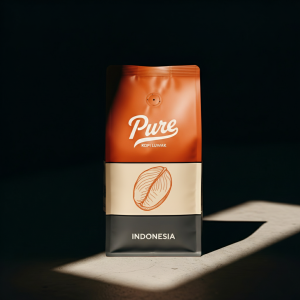
Pure Kopi Luwak
Wild civet coffee from Java. 88.5 SCA cupping score. From $125 for 100g.
Ethiopian coffees from regions like Yirgacheffe, Sidama, and Guji are among the most complex in the world — naturally processed beans from highland farms at 1,800 to 2,200 metres above sea level, producing cups with intense blueberry, jasmine, and bergamot notes. That complexity is the same character that made the original wild coffees of Ethiopia worth spreading across the trade routes to the rest of the world.
Italy: The Espresso Manifesto
Italy didn’t invent coffee, but it invented the culture of drinking it standing up, quickly, at a counter. The Italian espresso bar — the bar caffè — operates on a social rhythm that has no real equivalent elsewhere. A caffè normale costs around one euro, drunk in 45 seconds, and the interaction is ritualistic: you order, pay, drink, leave. Most Italians drink espresso multiple times a day and consider the post-meal espresso (the caffè, never espresso in Italy) mandatory digestion aid.
The Italian approach to coffee prioritizes body, crema, and short extraction over the light-roast, single-origin transparency that specialty coffee culture promotes. The two philosophies don’t always get along. When third-wave coffee shops began opening in Rome and Milan in the 2010s, charging four euros for a pour-over made from a single Ethiopian farm, there was genuine cultural friction. To many Italians, lingering over a delicate single-origin filter brew misses the entire point.
Try the coffee this article is about
Wild-sourced from Java, 88.5 SCA cupping score, free US shipping. From $125 for 100g.
Shop Pure Kopi Luwak →Turkey: Coffee as Divination
Turkish coffee is prepared by simmering very finely ground coffee in a small copper or brass pot called a cezve, allowing the grounds to settle, and serving the thick, unfiltered result in small cups. Cardamom is optional; sugar is added during brewing, not after. The grounds that settle in the upturned cup after drinking have been read as omens for centuries — tasseography, the practice of reading coffee grounds, remains a genuine cultural tradition in Turkey and across the Levant, particularly among older generations.
In 2013, UNESCO added the Turkish coffee culture and tradition to its Intangible Cultural Heritage list — one of the few food traditions recognized this way. The designation acknowledged not just the preparation method but the social function: offering coffee to a guest in Turkey carries meaning that transcends the beverage itself. A bride’s family traditionally serves coffee with salt to a prospective groom; the way he reacts is said to reveal his character.
Indonesia: The Origin of Wild-Sourced Kopi Luwak
Indonesia is the world’s fourth-largest coffee producer, and Java was among the first regions outside Arabia and Ethiopia to cultivate coffee commercially, beginning in the 17th century when the Dutch colonial VOC established coffee plantations across the island. That colonial history is directly connected to why kopi luwak exists: when colonial-era laws prohibited local farmers from harvesting coffee for their own consumption, resourceful Javanese farmers began collecting and cleaning coffee beans that wild civets had passed through their digestive systems. What started as an act of necessity became one of the world’s rarest and most expensive coffees.
Today, authentic wild-sourced kopi luwak from Java represents the apex of Indonesian coffee culture — a product that embeds centuries of history in every cup. Indonesian coffee culture also includes kopi tubruk, a thick unfiltered preparation similar to Turkish coffee using coarsely ground beans and boiling water, and the ritual of coffee as social glue in the warung (informal roadside cafe) that dots every Indonesian city and village.
Japan: The Art of the Pour-Over
Japan’s specialty coffee culture is characterized by a level of technical precision that surprises many visitors. Japanese-style kissaten (traditional coffee shops) emerged after World War II and developed a distinct approach: hand pour-over, meticulous brewing, extremely fresh beans, and a quiet, contemplative atmosphere. The country has produced some of the world’s most respected baristas and coffee educators, and Japanese-developed equipment — including the Hario V60 dripper, which became a global standard — has shaped how specialty coffee is brewed worldwide.
Japanese consumers also have a high tolerance for paying for quality. Premium single-origin coffees, including rare varieties like Gesha and kopi luwak, have found an enthusiastic market in Japan partly because the country’s gift-giving culture (the tradition of omiyage, bringing back specialty items from travel) aligns naturally with premium packaged coffee as a prestige item.
What Your Coffee Ritual Says About the Culture That Made It
What emerges from this tour is not just diversity in preparation style but a consistent pattern: every culture that developed a serious relationship with coffee built social ritual around it. The substance that started as a fruit on a hillside in Ethiopia became, in every place it arrived, a reason for people to gather, slow down, and be together.
The specialty coffee movement has added a new chapter to this story. Where mass-market coffee erased origin — blending beans from five countries into a can with a brand logo — the best coffees now emphasize specificity: which farm, which altitude, which processing method, which varietal. The most interesting cups being drunk today are not just beverages but documents — records of a place, a season, and the decisions of the people who grew them.
Pure Kopi Luwak
Wild civet coffee from Java. 88.5 SCA cupping score. From $125 for 100g.
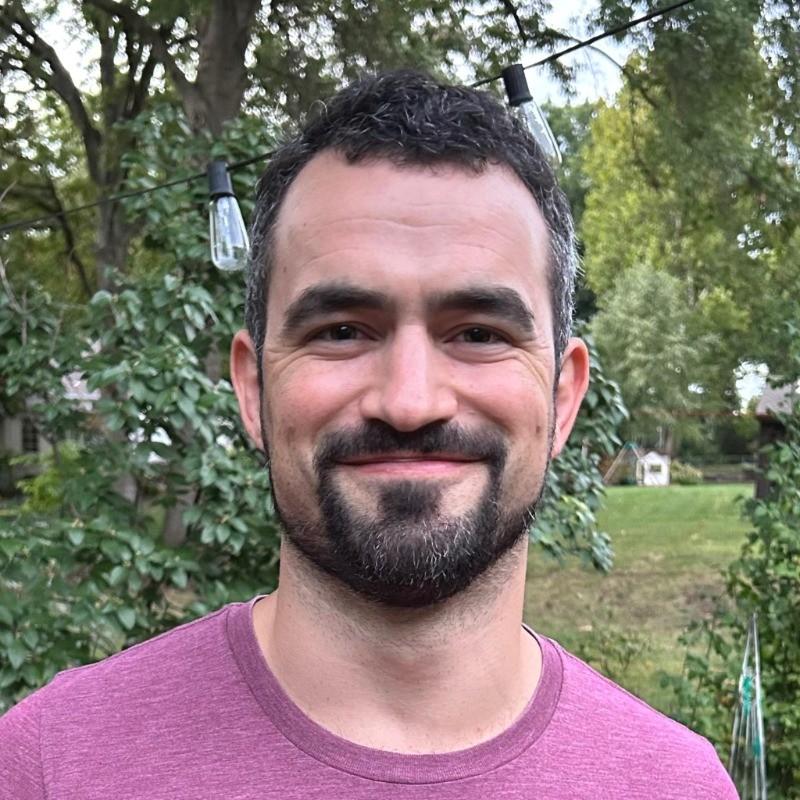
Roger Abbott founded Pure Kopi Luwak in 2018 after a trip through the volcanic highlands of Java, and has bought from the same farming families ever since. He only works with collectors of wild civet coffee, never caged. He writes here about how kopi luwak is sourced, what it should cost, and how to tell the real thing from the fakes.