In 1928, a British Army report became the basis for generations of health guidance warning soldiers against drinking too much coffee in hot climates, on the grounds that caffeine would cause dehydration. Nearly a century later, that warning is embedded in popular culture despite being, in large part, wrong. A 2014 study published in PLOS ONE, led by researchers at the University of Birmingham, followed 50 habitual coffee drinkers and found no evidence of dehydration with moderate daily coffee intake — defining “moderate” as three to four cups per day, totaling around 400mg of caffeine.
The myth of coffee as a dehydrating beverage persists partly because it contains a kernel of truth, and partly because the full picture is more nuanced than either side of the debate usually admits.
How Caffeine Actually Works on Fluid Balance
Caffeine is a mild diuretic — this much is true. It works by inhibiting adenosine receptors in the kidneys, which normally signal the kidneys to reabsorb water. When those receptors are blocked, the kidneys excrete slightly more water than they otherwise would. In someone who never or rarely drinks caffeine, a single dose can produce a noticeable increase in urine output.
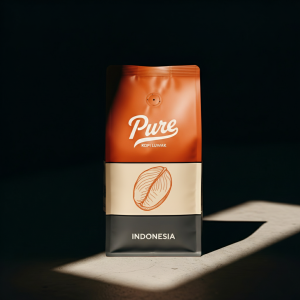
Pure Kopi Luwak
Wild civet coffee from Java. 88.5 SCA cupping score. From $125 for 100g.
The critical word is “mild.” A standard 240ml cup of coffee contains roughly 95mg of caffeine and around 230ml of water. The modest increase in urine output from the caffeine effect does not outpace the water content of the cup. The net effect, even in caffeine-naive individuals, is at worst neutral hydration — you’re not losing more than you put in.
In habitual coffee drinkers — and roughly 90% of adults consume caffeine regularly — the diuretic effect essentially disappears. The body develops tolerance to caffeine’s effect on adenosine receptors within a week of regular consumption. The Mayo Clinic and the American Institute for Cancer Research both note that for regular drinkers, moderate coffee consumption contributes to daily fluid intake as effectively as water. The diuretic effect that worries people is a temporary response in caffeine-naive individuals, not a permanent physiological state.
The Research in Detail
The Birmingham study is worth examining closely because it’s among the most rigorous investigations of this question. Researchers used a crossover design: participants spent 3-day periods drinking only coffee as their fluid source (matched to their usual intake), then 3-day periods drinking only water. Total fluid intake was identical in both conditions. Hydration markers — urine osmolality, total body water, blood markers — showed no significant difference between the coffee and water periods.
The researchers were careful to note the limitations: the participants were all habitual drinkers, and intake was moderate. The results shouldn’t be extrapolated to someone drinking twelve espressos daily. But for the population most likely to be reading about this topic — people who drink two to four cups of coffee per day and wonder if they should compensate with extra water — the answer from the evidence is: no, you don’t need to.
Try the coffee this article is about
Wild-sourced from Java, 88.5 SCA cupping score, free US shipping. From $125 for 100g.
Shop Pure Kopi Luwak →When Coffee Does Affect Hydration
There are genuine situations where the hydration picture changes. Exercise combined with caffeine and heat does increase fluid loss meaningfully, because both exercise-induced sweating and caffeine-induced diuresis act together. Athletes training in hot conditions who rely heavily on coffee as their primary caffeine source benefit from additional water intake, not because the coffee is dramatically dehydrating, but because their baseline fluid needs are elevated.
Very high caffeine doses — above 500mg in a short period, roughly five strong cups — do produce measurable diuresis even in habitual drinkers. This is the dose range relevant to caffeine supplements and energy drinks, not typical coffee consumption. The context of moderate, regular coffee drinking is where the “dehydrating” label is most misleading.
The Quality Connection
One aspect of this conversation that rarely gets addressed is the quality difference between coffee types and how it relates to the other compounds in your cup. Caffeine is not the only physiologically active compound in coffee — it’s accompanied by chlorogenic acids, trigonelline, diterpenes, and hundreds of volatile aromatic compounds. The specific balance of these compounds varies considerably by origin, roast level, and processing method.
High-quality single-origin Arabica coffees like wild-sourced Javanese kopi luwak tend to have relatively lower caffeine concentrations than lower-quality Robusta-heavy blends — Arabica contains roughly half the caffeine of Robusta. This means that cup-for-cup, premium Arabica provides the sensory experience and ritual of coffee with a lower total caffeine dose. For people who are genuinely caffeine-sensitive, the choice of bean matters as much as the number of cups.
The broader health picture of coffee is more nuanced than either the “coffee dehydrates you” crowd or the enthusiastic “coffee is a health food” counter-narrative suggests. What the evidence does clearly support is this: drinking three to four cups of quality coffee per day, as a habitual consumer, will not leave you dehydrated. The fluid in the cup more than compensates for the mild diuretic effect of the caffeine. Drink your coffee. Drink water too, because you should always drink water. But don’t drink your water as a penance for the coffee.
What Actually Matters for Hydration
If you’re monitoring your hydration — for athletic performance, health conditions, or simply good habits — the practical guidance is straightforward. Coffee counts toward your daily fluid intake, not against it. The old rule of thumb about needing to “replace” each cup of coffee with a cup of water has no evidence base. Urine color remains the most reliable field indicator of hydration status: pale yellow means you’re hydrated; dark amber means drink more fluids, including coffee if that’s what you have.
The myth of coffee-as-dehydrator has survived this long partly because it sounds plausible — caffeine does something, therefore it must be bad for hydration — and partly because it functions as a useful excuse to moderate consumption. The irony is that the people most likely to act on the dehydration warning are the moderate drinkers who have nothing to worry about, while the genuinely heavy consumers who might benefit from more water aren’t counting their cups to begin with. Caffeine content varies considerably between coffee types — understanding your actual intake is more useful than fearing a myth.
Pure Kopi Luwak
Wild civet coffee from Java. 88.5 SCA cupping score. From $125 for 100g.

Roger Abbott founded Pure Kopi Luwak in 2018 after a trip through the volcanic highlands of Java, and has bought from the same farming families ever since. He only works with collectors of wild civet coffee, never caged. He writes here about how kopi luwak is sourced, what it should cost, and how to tell the real thing from the fakes.