A November 2024 study published in Nature Microbiology identified a specific gut bacterium — Lawsonibacter asaccharolyticus — that is dramatically more abundant in coffee drinkers than in non-drinkers, appearing in about 76% of coffee consumers compared to roughly 38% of those who don’t drink coffee. The finding, replicated across multiple cohorts including data from the ZOE nutrition study, was notable not just because it identified a coffee-associated microbe but because L. asaccharolyticus appears to be beneficial: its presence is correlated with higher levels of hippurate, a marker associated with metabolic and gut health. Coffee, it turns out, may be acting as a prebiotic for a specific class of useful bacteria.
The relationship between coffee and gut health is more complicated than either the “coffee is hard on your stomach” camp or the “coffee is a superfood” enthusiasts typically acknowledge. Both sides have evidence — they’re just describing different mechanisms in different people.
What Coffee Actually Does to Your Gut Microbiome
Coffee is one of the richest dietary sources of polyphenols in the Western diet — specifically chlorogenic acids, which are present at 25–50mg per 100ml of brewed coffee. These compounds are not fully absorbed in the small intestine; a significant portion reaches the colon, where gut bacteria metabolize them. The bacteria that perform this metabolism — including species in the Lactobacillus, Bifidobacterium, and Akkermansia genera — are generally regarded as beneficial. Their metabolization of chlorogenic acids produces short-chain fatty acids (SCFAs), which serve as fuel for colon cells and are associated with reduced intestinal inflammation.

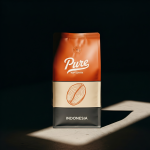
Pure Kopi Luwak
Wild civet coffee from Java. 88.5 SCA cupping score. From $125 for 100g.
A 2024 PMC review synthesizing multiple studies found that coffee polyphenol consumption consistently increases concentrations of Lactobacillus, Bifidobacterium, and Akkermansia muciniphila — the last of which is associated with gut barrier integrity and protection against metabolic syndrome. The effect appears in both regular coffee and decaf, suggesting that caffeine is not the primary driver; the polyphenol load matters more.
Try the coffee this article is about
Wild-sourced from Java, 88.5 SCA cupping score, free US shipping. From $125 for 100g.
Shop Pure Kopi Luwak →The Gastric Acid and Motility Story
Coffee also stimulates gastric acid secretion and accelerates gastric emptying — the rate at which food moves from the stomach into the small intestine. For most people, neither effect is clinically significant. For people with irritable bowel syndrome (IBS), acid reflux, or gastroesophageal reflux disease (GERD), both effects can be unwelcome.
Caffeine plays a role here, but it’s not the whole story. Coffee also contains compounds called catechols that stimulate the production of hormones in the stomach lining, including gastrin, which directly triggers acid secretion. Dark-roasted coffee produces more N-methylpyridinium (NMP), which appears to suppress gastric acid production relative to lighter roasts, making it easier on sensitive stomachs. Cold-brewed coffee extracts fewer of these stimulating compounds than hot-brewed, which is why many people with acid sensitivity find cold brew coffee more comfortable to drink.
The laxative effect of coffee — observed in roughly a third of coffee drinkers within 20–30 minutes of consumption — is partly explained by this accelerated motility. It’s not a sign that coffee is “irritating” the digestive system in a harmful way; it’s a pharmacological effect of several compounds working simultaneously on smooth muscle in the colon. The effect is present even in decaf coffee, which rules out caffeine as the sole mechanism and implicates the chlorogenic acids and other compounds.
Kopi Luwak and Gut-Friendly Coffee
Not all coffee is equally assertive on the digestive system. High-altitude Javanese Arabica processed through wild civet digestion — the mechanism that produces kopi luwak — undergoes enzymatic modification that measurably alters the organic acid composition of the bean. Research comparing kopi luwak to conventionally processed coffee from the same origin has found lower concentrations of malic acid and citric acid in the kopi luwak, and a measurably lower chlorogenic acid content. These differences translate directly to a cup that is gentler on the stomach while still delivering the polyphenol load associated with microbiome benefits.
This is the nuance that gets lost in simple “coffee is good/bad for gut health” framing: the origin, roast level, processing method, and brewing temperature all affect which compounds reach your gut and in what concentrations. A lightly roasted, hot-brewed natural-processed Ethiopian can be loaded with chlorogenic acids and stimulating compounds. A medium-roasted, enzymatically processed Javanese kopi luwak delivers a very different chemical profile to the same digestive system. The category “coffee” is too broad to support simple health claims in either direction.
What the Evidence Actually Supports
Synthesizing the available research — acknowledging its limitations, since most human gut microbiome studies are observational and can’t establish causation — the picture looks like this: moderate coffee consumption (two to four cups per day) appears to support beneficial gut bacteria, particularly polyphenol-metabolizing species. The prebiotic-like effect of chlorogenic acids reaching the colon is probably real and beneficial for most people. The gastric irritation effects are real but manageable through choices about roast level, brewing method, and timing relative to meals.
People with IBS, GERD, or inflammatory bowel disease should work with their own digestive responses rather than following general guidance. For these groups, the quality and processing method of the coffee matters as much as the quantity. The broader health benefits of coffee are well-documented in epidemiological literature — reduced risk of type 2 diabetes, Parkinson’s disease, and certain liver conditions among regular drinkers — but gut health is one area where individual variation is particularly pronounced.
The most honest summary: coffee, consumed in moderate amounts, probably helps most people’s gut microbiomes more than it hurts them, through polyphenol delivery to beneficial bacteria. The people for whom it causes genuine gut problems are a real minority, and for them, the fix is usually roast selection and brewing method adjustment rather than abstinence — unless they have specific clinical diagnoses that require it.
Pure Kopi Luwak
Wild civet coffee from Java. 88.5 SCA cupping score. From $125 for 100g.

Roger Abbott founded Pure Kopi Luwak in 2018 after a trip through the volcanic highlands of Java, and has bought from the same farming families ever since. He only works with collectors of wild civet coffee, never caged. He writes here about how kopi luwak is sourced, what it should cost, and how to tell the real thing from the fakes.