For most of the 20th century, coffee was treated by mainstream medicine as something to be warned about — associated with heart disease, hypertension, and digestive problems, often appearing on lists of foods to limit or eliminate. The science didn’t support that consensus then, and it actively contradicts it now. Coffee, consumed in moderate amounts by healthy adults, is associated with a remarkable range of health benefits — and the mechanisms behind those benefits are increasingly well understood.
None of this means coffee is a health food in the pharmaceutical sense, or that you should drink more of it purely for medical reasons. But the “is coffee bad for you?” concern that drove decades of cautionary advice has been substantially dismantled by research, and the actual picture is considerably more positive.
Chlorogenic Acids: The Key Compounds
Coffee is the largest single source of dietary polyphenols for most adults in Western countries — exceeding the combined contribution of fruits, vegetables, and tea in people who drink it regularly. The primary polyphenols in coffee are chlorogenic acids (CGAs), a family of phenolic compounds produced by the coffee plant as it metabolizes caffeic acid and quinic acid.
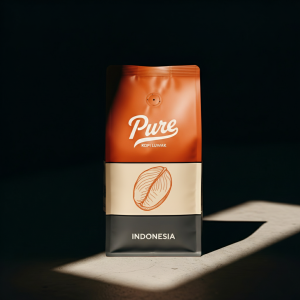
Pure Kopi Luwak
Wild civet coffee from Java. 88.5 SCA cupping score. From $125 for 100g.
A 2017 review published in PubMed (PMID 28391515) examined chlorogenic acid’s effects across multiple disease categories. The review found evidence for reduced risk of type 2 diabetes, cardiovascular disease, and certain neurodegenerative conditions following regular CGA consumption. The mechanisms include antioxidant activity (CGAs neutralize free radicals and reduce oxidative stress), anti-inflammatory effects (CGAs inhibit certain inflammatory signaling pathways), and metabolic effects (CGAs appear to influence glucose metabolism and insulin sensitivity).
Roast level matters here. CGAs are heat-sensitive and degrade significantly during dark roasting. A light-roasted coffee contains roughly 150-250mg of CGAs per cup; a dark-roasted coffee may have less than 50mg. This creates an irony: the coffees with the most identifiable “coffee flavor” — the dark, intensely roasted blends — have been processed in ways that destroy the primary health-active compounds. Light and medium roasts preserve far more of the beneficial polyphenol content.
Cardiovascular Effects: The Surprising Positive Signal
The association of coffee with heart disease — once widely accepted — has not held up to large-scale prospective studies. Multiple meta-analyses covering hundreds of thousands of participants have found that regular coffee consumption of 3-5 cups per day is associated with reduced risk of cardiovascular disease compared to no coffee consumption.
The mechanism is at least partly vascular. Human clinical trials have found that high-CGA coffee improves postprandial blood flow and endothelial function — the ability of blood vessels to dilate and contract normally in response to blood flow demands. This is the same mechanism targeted by cardiovascular medications, and while the effect size from coffee is modest, it is real and replicable across independent studies.
Coffee also appears to have a neutral-to-protective effect on blood pressure at moderate intake levels (below about 400mg caffeine per day), despite caffeine’s acute, short-lived pressor effect. Regular coffee drinkers develop tolerance to the acute blood pressure response quickly. The long-term cardiovascular picture for moderate coffee consumption is substantially more positive than the warnings of the 1980s would suggest.
Try the coffee this article is about
Wild-sourced from Java, 88.5 SCA cupping score, free US shipping. From $125 for 100g.
Shop Pure Kopi Luwak →Type 2 Diabetes: One of the Strongest Signals
The inverse relationship between coffee consumption and type 2 diabetes risk is one of the most replicated findings in nutritional epidemiology. A Harvard School of Public Health cohort study following 120,000 health professionals over 20 years found that those who increased their coffee consumption by more than one cup per day had an 11% lower risk of type 2 diabetes; those who decreased by more than one cup had a 17% higher risk.
The protective mechanism appears to involve multiple pathways simultaneously: CGA effects on glucose metabolism, improvements in insulin sensitivity, and anti-inflammatory effects that reduce the chronic low-grade inflammation associated with insulin resistance. Both caffeinated and decaffeinated coffee show this protective association, which suggests the CGAs and other non-caffeine compounds are doing significant work.
Brain Health: Alzheimer’s and Parkinson’s
Coffee consumption has been associated with reduced risk of both Alzheimer’s disease and Parkinson’s disease in observational studies. The Parkinson’s association is particularly strong and has been observed across multiple independent study cohorts. Caffeine appears to be the active agent in the Parkinson’s risk reduction, operating through its antagonism of adenosine A2A receptors in basal ganglia — the same brain regions affected by Parkinson’s disease.
For Alzheimer’s, both caffeine and CGAs appear to contribute through complementary mechanisms: caffeine via adenosine receptor antagonism, CGAs via their anti-inflammatory and antioxidant effects in neural tissue. Population-level data from CAIDE (Cardiovascular Risk Factors, Aging and Dementia), a Finnish longitudinal study, found that drinking 3-5 cups of coffee per day at midlife was associated with a 65% decreased risk of Alzheimer’s disease and dementia in later life compared to drinking less than 2 cups per day.
What This Means for Coffee Quality
If the health benefits of coffee are substantially driven by chlorogenic acid content and polyphenol activity, then the quality and roast level of what you’re drinking matters beyond flavor.
Specialty-grade coffees, particularly those processed to preserve their chemical composition — lighter roasts, proper storage, consumed fresh — will deliver more of the active compounds per cup than heavily roasted commodity blends. Wild kopi luwak processed through civet digestion has documented differences in its organic acid profile compared to conventionally processed coffee from the same origin, with reduced concentrations of malic and citric acids — which contributes to its renowned smoothness. The effects of civet digestion on CGA content specifically require more study, but the broader principle holds: how coffee is processed affects what bioactive compounds survive into your cup.
The other important caveat applies to what you add. A cup of black coffee, or coffee with a small amount of milk, delivers the health benefits described above. A 500ml sweetened, cream-based coffee beverage with 40g of added sugar does not. The research is on coffee as a beverage, not as a flavor-delivery mechanism for sugar and cream.
Who Should Be Careful
None of this applies uniformly. Pregnant women should limit caffeine to 200mg per day (roughly 2 cups) based on evidence linking higher intake to low birth weight. People with documented anxiety disorders often find that caffeine exacerbates symptoms, and for them the cost-benefit analysis shifts. Those with GERD or acid reflux issues may need to manage their intake based on symptoms regardless of the broader health picture.
For everyone else — the healthy adult who enjoys 2-4 cups of quality coffee per day — the available evidence has moved decisively away from “something to limit” and toward “a net positive, consumed in good company.”
Pure Kopi Luwak
Wild civet coffee from Java. 88.5 SCA cupping score. From $125 for 100g.

Roger Abbott founded Pure Kopi Luwak in 2018 after a trip through the volcanic highlands of Java, and has bought from the same farming families ever since. He only works with collectors of wild civet coffee, never caged. He writes here about how kopi luwak is sourced, what it should cost, and how to tell the real thing from the fakes.