In 1997, a 19-year-old in the United Kingdom died after consuming 30 caffeine tablets — equivalent to roughly 30 cups of coffee — in a short period. The case is a rare extreme, but it illustrates the real answer to “how much coffee is too much”: there is a dose at which caffeine is genuinely toxic, and it’s not as far from ordinary consumption as people assume when the source is concentrated supplement powder rather than brewed coffee.
The FDA’s current guidance sets 400mg of caffeine per day as a safe upper limit for healthy adults — roughly 4 cups of standard brewed filter coffee. At 1,200mg (roughly 12 cups, or a far smaller quantity of pure caffeine powder), acute toxicity symptoms begin: severe nausea, rapid heart rate, and seizures. The gap between “comfortable daily intake” and “dangerous dose” is considerably narrower than most people realize, which is why the FDA has taken specific action against powdered caffeine products, noting that a single teaspoon of pure caffeine powder is equivalent to approximately 28 cups of coffee.
What “Too Much” Actually Means Day-to-Day
For practical purposes, the question “how much coffee is too much” has several different answers depending on what you mean by “too much.”
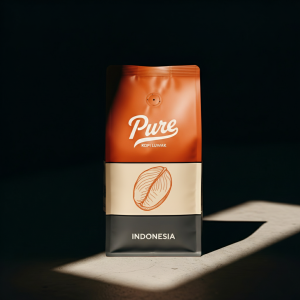
Pure Kopi Luwak
Wild civet coffee from Java. 88.5 SCA cupping score. From $125 for 100g.
Too much for immediate health effects kicks in somewhere between 4 and 6 cups for a typical adult — jitteriness, elevated heart rate, difficulty sleeping, increased anxiety, and occasional headaches. This is the physiological ceiling that most people encounter naturally before they reach any genuinely dangerous dose, because the experience becomes unpleasant enough to act as a natural brake.
Too much for sleep quality is a lower threshold and more insidious because the effect is delayed. Caffeine’s half-life in the body averages 5-6 hours, but ranges from 2-3 hours in fast metabolizers (common in people with certain CYP1A2 gene variants) to 9-10 hours in slow metabolizers. For a slow metabolizer, the 3pm coffee is still 50% active at 9pm, significantly reducing sleep quality even if they have no trouble falling asleep. Chronic mild sleep disruption from late-day caffeine — compounding over months and years — is a meaningful health cost that doesn’t show up in any acute “too much” assessment.
Too much for a chronic health perspective is a different question again. Long-term observational data generally shows that moderate coffee consumption (3-5 cups daily) is associated with neutral-to-positive health outcomes for most adults. It’s at the extremes — consistently drinking 8-10 cups daily for years — where the chronic stress on the cardiovascular system and the sleep disruption effects accumulate in ways that show up in population data.
Try the coffee this article is about
Wild-sourced from Java, 88.5 SCA cupping score, free US shipping. From $125 for 100g.
Shop Pure Kopi Luwak →The 400mg Number in Context
The FDA’s 400mg daily recommendation is a population-level guideline for healthy adults. It’s not a cliff — going to 450mg occasionally is not harmful for most people — but it reflects the dose at which the risk-benefit calculation starts shifting. At or below 400mg, the evidence supports neutral-to-beneficial health effects for most adults. Above that, with regular daily intake, the risk side of the equation grows.
What 400mg looks like in practice depends heavily on what you’re drinking. A single espresso shot contains roughly 60-75mg. A standard 250ml brewed filter coffee is 80-100mg. A large (450ml) drip coffee from a typical American coffee chain is often 200-300mg in a single serving. Cold brew concentrate, which is sometimes served in quantities of 250-350ml, can contain 200-400mg per serving. Two large cold brews can put you at or above 400mg before noon.
This arithmetic matters more now than it did when the main caffeine delivery mechanism was a filter coffee pot at home. The proliferation of high-caffeine formats — large cold brews, double-shot espresso drinks in large cups, canned energy beverages often consumed alongside coffee — has shifted the average caffeine intake upward in ways that aren’t always obvious to consumers counting their “cups.”
Special Populations with Different Limits
Pregnancy changes the calculus significantly. The NHS and most major health authorities recommend no more than 200mg of caffeine per day during pregnancy — half the standard adult guidance — based on evidence linking higher intake to reduced birth weight and increased risk of miscarriage. This covers all caffeine sources, not just coffee.
Adolescents process caffeine less efficiently than adults and are more sensitive to its effects on sleep architecture and brain development. The American Academy of Pediatrics advises against caffeine consumption for children under 12 and recommends limiting it for teenagers. A 16-year-old drinking two large iced espresso beverages daily is consuming a dose that would make many adults uncomfortable, with a system less equipped to handle it.
People taking certain medications — notably some antibiotics (ciprofloxacin inhibits caffeine metabolism, effectively doubling its potency) and some antidepressants — may need to reduce intake substantially while on those medications. The interaction with ciprofloxacin is particularly notable because people on a 10-14 day antibiotic course may unknowingly be consuming the equivalent of double their normal caffeine load throughout the treatment.
Practical Signs You’ve Had Too Much
Your body is a reasonably reliable indicator for daily overconsumption: persistent hand tremors after coffee, anxiety that lingers for hours after your last cup, heart palpitations, difficulty sitting still, and visible dependency (headaches developing within a few hours of missing your usual coffee time, lasting until caffeine is consumed) are all signs that your daily intake may be above your personal optimal dose.
The dependency marker is worth noting specifically. Caffeine withdrawal headaches — real, sometimes significant headaches caused by cerebral vasodilation when adenosine receptors suddenly operate without blockade — indicate physiological dependence. That’s not a crisis; most regular coffee drinkers are physiologically dependent on caffeine. But if missing one morning coffee produces a headache that derails your day, you’re probably consuming enough that your brain’s adenosine sensitivity has upregulated significantly around your usual dose.
For premium coffees like kopi luwak, the standard Arabica caffeine range (80-120mg per cup when brewed as filter) means that drinking one or two cups puts you well within any sensible daily limit. The enjoyment argument for better coffee also has an incidental benefit: when your coffee is genuinely good enough to drink slowly and appreciate, you tend to drink less of it. Rushing through mediocre coffee to get to the caffeine effect and rushing through genuinely interesting coffee are different experiences. Coffee’s health benefits come from moderate, consistent consumption — which, with coffee worth slowing down for, is considerably easier to achieve.
Pure Kopi Luwak
Wild civet coffee from Java. 88.5 SCA cupping score. From $125 for 100g.
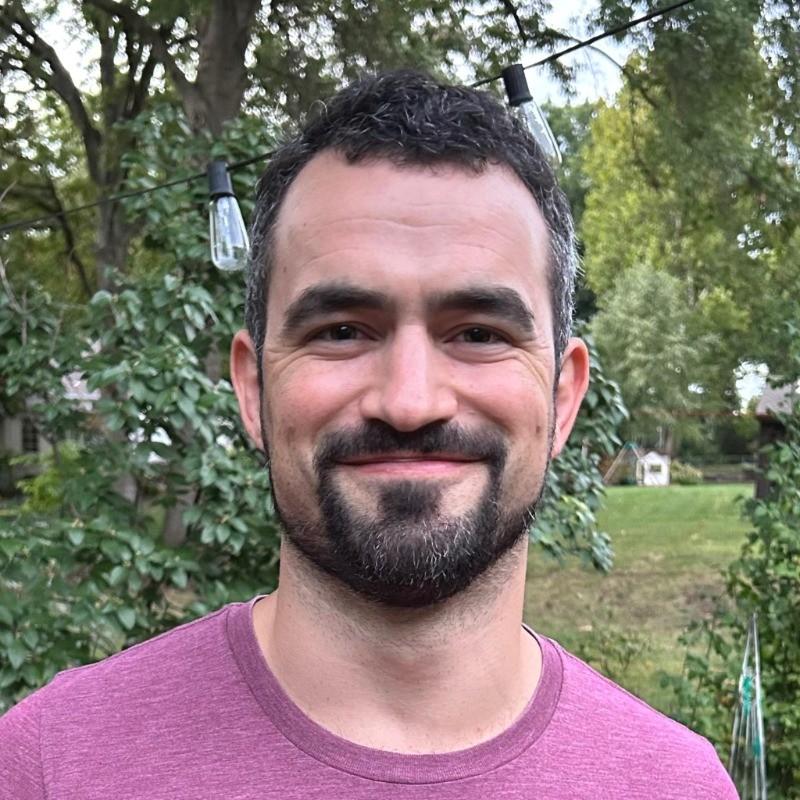
Roger Abbott founded Pure Kopi Luwak in 2018 after a trip through the volcanic highlands of Java, and has bought from the same farming families ever since. He only works with collectors of wild civet coffee, never caged. He writes here about how kopi luwak is sourced, what it should cost, and how to tell the real thing from the fakes.