Before the first cup of kopi luwak can be brewed, someone has to walk a forest path at dawn and collect what a civet left behind. That’s the step that most descriptions skip past in a single sentence, but it’s the one that determines whether everything that follows produces something remarkable or something that merely uses a famous name. The process of making kopi luwak is long, labor-intensive, and depends at every stage on decisions that either preserve or destroy the quality the civet’s digestive system created.
The full sequence — from a civet eating a cherry to roasted beans in a bag — covers seven distinct stages, each with its own quality implications. Understanding them helps explain both why genuine wild kopi luwak is expensive and why a poor version of it costs almost nothing to fake.
Stage One: Civet Feeding and Selection
The process begins not with a human decision but with a civet’s. Wild Asian palm civets (Paradoxurus hermaphroditus) forage at night in coffee-growing areas during harvest season, selecting ripe coffee cherries based on olfactory cues that indicate peak ripeness. A wild civet will pass over under-ripe and over-fermented cherries to eat only those in the narrow window of optimal sugar content — roughly 18 to 22 degrees Brix, the same range that specialty coffee farmers measure with refractometers to identify harvest-ready fruit.
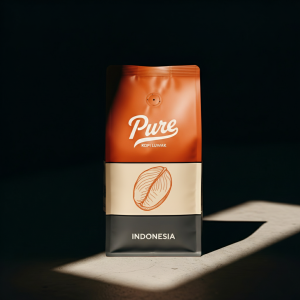
Pure Kopi Luwak
Wild civet coffee from Java. 88.5 SCA cupping score. From $125 for 100g.
This selection stage is what separates wild kopi luwak from every imitation and caged alternative. Caged civets have no selection opportunity; they eat what’s placed in front of them, regardless of ripeness. The starting material entering the digestive process is therefore different in quality, and different starting material produces different chemistry throughout every subsequent stage.
Stage Two: Digestion — The Processing Stage
The civet swallows the cherry whole. The fruit pulp is digested; the hard inner seed — the coffee bean, still encased in its parchment layer — passes through intact. Over 12 to 24 hours of transit through the civet’s digestive tract, two important chemical processes occur simultaneously.
Proteolytic enzymes in the stomach permeate through the bean’s endocarp and partially break down storage proteins that are precursors to bitter roasting compounds. Research published in Food Research International in 2004 documented measurably lower concentrations of these proteins in kopi luwak compared to conventionally processed beans from the same Javanese origin. The second process involves the civet’s gut microbiome: microbial strains identified in palm civet digestive biomass perform caffeine catabolism via N-demethylation, slightly reducing caffeine levels and producing metabolites that contribute to the coffee’s complex earthiness.
This stage is irreplaceable. It cannot be simulated industrially. Researchers have attempted to replicate civet digestive conditions in laboratory settings using isolated enzymes, but the complexity of a living animal’s full digestive system — with its specific microbial populations, temperature regulation, and biological variability — has not been successfully reproduced.
Try the coffee this article is about
Wild-sourced from Java, 88.5 SCA cupping score, free US shipping. From $125 for 100g.
Shop Pure Kopi Luwak →Stage Three: Collection from the Forest Floor
After the beans pass through the civet, they’re deposited on the forest floor or along farm paths still enclosed in the parchment layer. Wild collection means farmers or dedicated collectors walk these paths each morning during harvest season, identifying civet scat and hand-picking the beans. This is physically intensive work that yields small quantities — a single civet produces perhaps 50 to 100 beans per night of active feeding.
The timing of collection matters. Beans left on the forest floor too long are subject to moisture absorption, fungal growth, and secondary fermentation that can produce off-flavors. Professional collectors in Java’s highland farms typically collect within hours of deposit, during early morning rounds that cover the same paths daily during the harvest window, which runs from June through October for most Javanese Arabica.
Stage Four: Washing
Collected beans are washed thoroughly — multiple rounds of clean water to remove surface material, followed by inspection for damaged specimens. The washing stage is essential for hygiene but does not affect the enzymatic modifications already embedded in the bean’s structure. Independent laboratory analyses of properly washed kopi luwak have consistently found no harmful pathogens; the chemical modifications from the civet’s digestive process are intrinsic to the bean, not surface contaminants.
Quality-focused producers use clean running water and rinse the beans three to five times before moving them to drying. Speed matters here: beans that sit wet for extended periods before drying can develop fermentation off-notes that compromise the finished cup.
Stage Five: Sun Drying
After washing, the beans are spread on raised drying beds or drying patios and sun-dried to a target moisture content of approximately 11 to 13 percent. In Java’s highland farms, this typically takes five to seven days under clear conditions. The drying stage is where origin climate begins to influence the finished product: Java’s drier harvest season allows consistent drying without the humidity complications that affect some Sumatran production.
Proper drying matters enormously for flavor stability and shelf life. Under-dried beans mold; over-dried beans become brittle and produce flat, papery flavors after roasting. The target moisture window is narrow, and experienced producers check by hand and by moisture meter throughout the drying period.
Stage Six: Hulling, Sorting, and Grading
Once dried, the beans still retain their parchment layer — the hard shell immediately surrounding the seed. This is removed mechanically through hulling. After hulling, beans are sorted by hand and by density: damaged beans (cracked, discolored, or misshapen from the digestive process), foreign material, and under-sized specimens are removed. What remains is graded green coffee with a modified chemical profile.
The sorting stage is where honest producers separate themselves from those cutting corners. Physical damage from the digestive process, if not removed, introduces defect flavors that undermine the finished cup. Premium producers sort multiple times, including a final visual inspection before bagging.
Stage Seven: Roasting
Green kopi luwak beans reach the roaster as a modified Arabica — chemically different from the same cherry processed by conventional washing or natural methods, but still recognizably a Javanese or Sumatran Arabica at its core. The roasting decision amplifies or suppresses what the civet’s digestive process created.
Most high-quality kopi luwak is roasted to medium — approximately 210 to 220°C, just past first crack but well before second crack — to preserve the low-bitterness, high-smoothness profile the enzymatic processing established. Dark roasting reimpose carbon and bitter notes on beans specifically modified to minimize them; it’s counterproductive, and products labeled “dark roast kopi luwak” are almost always working with lower-quality green beans where the dark roast is masking defects rather than showcasing quality.
From collection to roasted product, the entire process for a batch of genuine wild kopi luwak typically spans three to four weeks. The finished product should be consumed within six to eight weeks of the roast date for peak flavor. Buying fresh-roasted kopi luwak from a producer who can document the harvest and roast date is the final quality variable — one that determines whether the seven stages before it were worth the effort, or whether the result is a bag of expensive, stale beans that tells you nothing about what kopi luwak can actually be. For buyers wondering about the value, the process itself explains the price.
Pure Kopi Luwak
Wild civet coffee from Java. 88.5 SCA cupping score. From $125 for 100g.
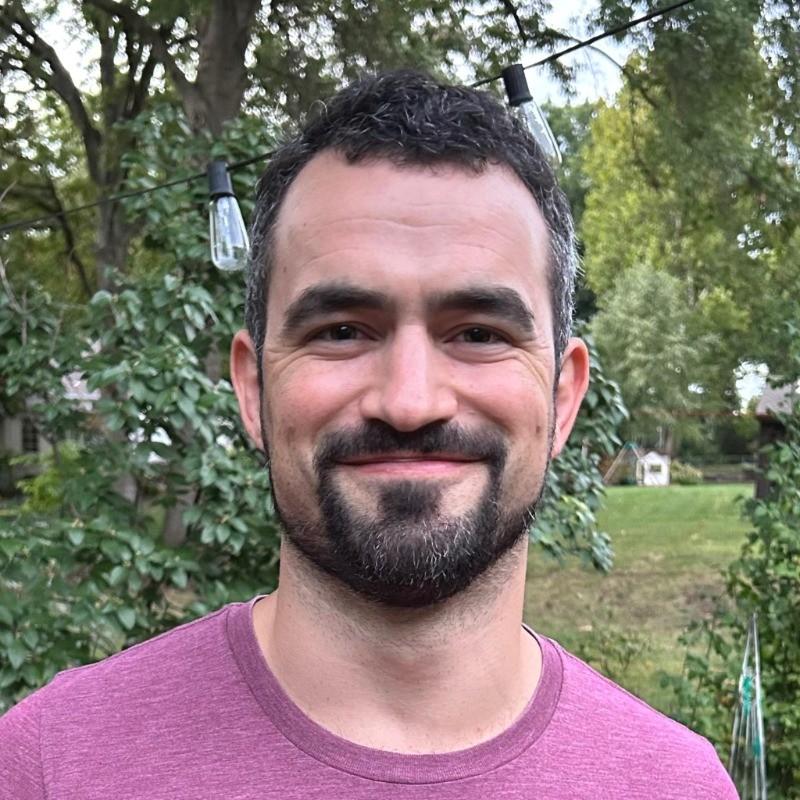
Roger Abbott founded Pure Kopi Luwak in 2018 after a trip through the volcanic highlands of Java, and has bought from the same farming families ever since. He only works with collectors of wild civet coffee, never caged. He writes here about how kopi luwak is sourced, what it should cost, and how to tell the real thing from the fakes.