In the coffee estates of Coorg, a hilly district in Karnataka’s Western Ghats, a small subset of coffee farmers discovered something their Indonesian counterparts had known for centuries: the common palm civet (Paradoxurus hermaphroditus, the same species that produces kopi luwak in Java) was already raiding their coffee trees at night. In Java, this relationship had been turned into a premium product. In Coorg, it was mostly an agricultural nuisance — until specialty coffee buyers started asking about it.
India is now one of five countries in the world — alongside Indonesia, Vietnam, the Philippines, and Thailand — that produces civet-processed coffee. The Indian version occupies a distinct position in the global market: it’s less well-documented than Javanese kopi luwak, considerably cheaper in its domestic form, and simultaneously subject to some of the most troubling animal welfare reports of any civet coffee-producing country.
Where India’s Civet Coffee Comes From
Indian civet coffee production is concentrated almost entirely in the Coorg (Kodagu) district of Karnataka and to a lesser extent in the Chikmagalur district, also in Karnataka. These are India’s premier coffee-growing regions, situated in the Western Ghats at elevations between 900 and 1,500 meters. The predominant varieties are Arabica (particularly the old Coorg Arabica) and Robusta, grown on estates that also produce pepper, cardamom, and other spices in a polyculture system.
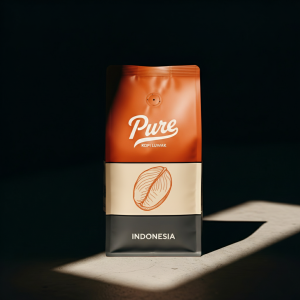
Pure Kopi Luwak
Wild civet coffee from Java. 88.5 SCA cupping score. From $125 for 100g.
The Asian palm civet inhabits the shade trees and forested edges of these estates naturally. Wild civet coffee collection in Coorg involves the same method as genuine wild kopi luwak collection in Java: scouting for civet activity at night, following trails to locate droppings containing partially digested coffee beans, and collecting the beans from the forest floor. When done this way, the product is identical in concept to wild kopi luwak — cherries selected by a wild animal, processed through its digestive tract, collected and washed for further processing.
The challenge is that a significant portion of what’s sold as Indian civet coffee doesn’t come from this process. A 2022 investigation documented Karnataka farmers trapping civets, keeping them in cages on the estate, and feeding them coffee cherries — sometimes indiscriminate quantities of mixed-ripeness cherries rather than the peak-ripe fruit that wild animals select naturally. The article noted that some farmers were also reportedly killing civets that raided their estates rather than recognizing their value as wild processors.
Price Landscape in India
The price differential between Indian civet coffee and Indonesian kopi luwak is stark. A Coorg specialty café currently sells 150g of roasted civet coffee for approximately ₹1,657 (around ₹11,050/kg). Wholesale raw civet beans from Karnataka suppliers have been listed at around ₹4,000/kg. At the high end, single cups of Indian civet coffee at premium establishments can reach ₹6,000 or more — approximately $80 per cup at current exchange rates.
These prices reflect the premium segment of the Indian civet coffee market. At the commodity end, products sold as “kopi luwak instant coffee blend” on Indian marketplaces list for ₹200 per piece — a price point that makes verification of the civet-processing claim essentially implausible. Authentic wild-sourced civet coffee cannot be produced at those volumes and costs.
Try the coffee this article is about
Wild-sourced from Java, 88.5 SCA cupping score, free US shipping. From $125 for 100g.
Shop Pure Kopi Luwak →Indian vs. Javanese Civet Coffee: The Flavor Difference
Genuine wild civet coffee from Coorg has a distinct flavor profile shaped by the Western Ghats terroir. Coorg Arabica is known for a relatively full body, mild acidity, and flavor notes that run toward dark chocolate, spice, and walnut — a profile influenced by the polyculture environment (growing alongside pepper and cardamom) and the volcanic soil of the Karnataka highlands.
Javanese kopi luwak, by comparison, tends toward a cleaner cup with more pronounced chocolate-caramel sweetness, lower acidity, and a more delicate earthy base. Java’s Arabica is typically processed in ways that produce a brighter, more refined cup than Coorg’s traditionally washed-process beans. The civet processing in both cases adds the characteristic smoothness and reduced bitterness — but the terroir contribution beneath that processing is different.
For those who have only encountered Javanese kopi luwak, Indian civet coffee from Coorg offers a notable contrast: earthier, spicier, with a heavier mouthfeel. Neither is objectively better — they’re different origin expressions of the same fundamental process.
Buying Indian Civet Coffee: What to Look For
The verification challenges for Indian civet coffee are more acute than for established Javanese supply chains. A few markers of better-quality sourcing:
Named estate sourcing is the first indicator. An Indian civet coffee that can name the specific Coorg or Chikmagalur estate it comes from, along with the season of collection, is better positioned than a product labeled simply “Coorg civet coffee.” Estates that operate wild-collection rather than cage production are rarer but do exist — several Coorg-based specialty tea and coffee exporters have documented their civet coffee supply chains for international buyers.
Pricing is a reliable filter: authentic wild-collection civet coffee from named estates in India should not be substantially cheaper than comparable Javanese product when accounting for processing, quality sorting, and export handling. If it’s priced at a fraction of authenticated kopi luwak, the production method should be questioned.
Understanding what the Asian palm civet contributes to the coffee helps clarify what you’re evaluating in any civet coffee claim, Indian or otherwise — the animal’s selective foraging and digestive processing are the quality mechanism, and cage production disrupts both.
Can You Import Indian Civet Coffee?
Indian coffee exports are subject to Coffee Board of India oversight, and coffee produced in India for export requires appropriate certification. Roasted Indian civet coffee exported to international markets is subject to the same documentation requirements as any specialty coffee export, including phytosanitary certificates and certificates of origin.
For buyers outside India, the practical sourcing path for authenticated Indian civet coffee is through established specialty coffee importers or direct from the few named-estate producers who export internationally. The market is thinner than Indonesian kopi luwak, and the authentication infrastructure less developed.
For those seeking the most documented, verifiable wild-sourced civet coffee available, Javanese wild kopi luwak with traceable farm sourcing represents the current standard against which Indian and other civet coffees are usefully compared. Import regulations by country are worth reviewing for wherever you’re based before placing an international order for any civet coffee product. Indian searchers looking for civet coffee under its local name will find our guide to punugu cat coffee useful.
Pure Kopi Luwak
Wild civet coffee from Java. 88.5 SCA cupping score. From $125 for 100g.

Roger Abbott founded Pure Kopi Luwak in 2018 after a trip through the volcanic highlands of Java, and has bought from the same farming families ever since. He only works with collectors of wild civet coffee, never caged. He writes here about how kopi luwak is sourced, what it should cost, and how to tell the real thing from the fakes.