The reaction is predictable: someone learns that kopi luwak comes from the digestive tract of an animal, and their first response is concern about sanitation. It is a reasonable instinct. Animal feces are a documented vector for pathogens including Salmonella, E. coli O157:H7, Campylobacter, and various parasites. The question of whether kopi luwak is safe to drink is therefore not a silly one — it is a legitimate food safety inquiry with a clear, evidence-based answer.
Understanding What “From Droppings” Actually Means
The coffee bean, while inside the civet, is enclosed in its parchment layer — a dense, multilayered endocarp that provides physical protection against the external environment. The civet’s digestive enzymes penetrate this layer and modify the bean’s internal chemistry, but the parchment itself remains largely intact through the digestive process. When the bean is excreted, it is not exposed bean flesh — it is a seed still enclosed in its protective husk.
This distinction matters because it affects the extent to which pathogens can colonize the bean surface. The parchment is not sterile — surface bacteria from the digestive environment are present on it after excretion — but the interior of the bean is not directly exposed. The cleaning process that follows is designed to address what is on the surface.
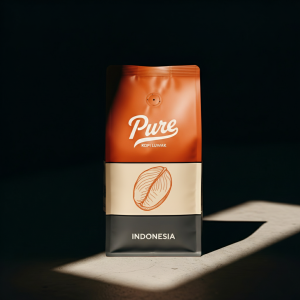
Pure Kopi Luwak
Wild civet coffee from Java. 88.5 SCA cupping score. From $125 for 100g.
What Happens to Pathogens During Processing
The multi-stage cleaning protocol begins with water soaking at 20 to 25°C to separate beans from organic material, followed by manual washing cycles that progressively remove biological residue. Food safety researchers who have evaluated kopi luwak production find that thorough multi-stage washing reduces surface pathogen counts to levels consistent with other fermented food products — a category that includes miso, kimchi, yogurt, and aged cheese, all of which involve controlled microbial environments during production and are widely considered safe for consumption.
Sun-drying is the intermediate safety step. Target moisture content of 11 to 12 percent creates a substrate in which most bacteria cannot reproduce. Salmonella, E. coli, and Campylobacter all require moisture well above 12 percent to survive and multiply. The drying step does not sterilize the beans, but it creates conditions under which any remaining surface pathogens are under significant environmental stress.
Roasting: The Definitive Safety Step
Coffee roasting temperatures range from 200 to 230°C — approximately 390 to 450°F. No food pathogen identified in the scientific literature survives sustained exposure above 70°C. The roasting step, which maintains temperatures three times that threshold for 10 to 15 minutes, is thermal sterilization. A professional roaster at Kaya Kopi summarizes the industry-standard view: “Right before we are ready to ship to you, we roast the beans at 220 degrees Celsius. At this temperature, no bacteria can survive.”
This is why food scientists consistently categorize properly processed kopi luwak as safe. It is not that the process is inherently bacteria-free from the beginning — it is that the combination of washing, drying, and roasting creates multiple overlapping safety barriers, any one of which would independently address most pathogen risks, and all three of which together leave no surviving pathogens in the finished roasted bean.
Try the coffee this article is about
Wild-sourced from Java, 88.5 SCA cupping score, free US shipping. From $125 for 100g.
Shop Pure Kopi Luwak →What the Research Confirms About Pathogen Survival
A 2025 peer-reviewed study via PubMed Central examined the microbial diversity of civet excreta in Indonesian kopi luwak production using next-generation sequencing. The researchers found that excreta from male civets contained the most diverse microbial populations, and confirmed the presence of organisms classified as potential foodborne pathogens. Their conclusion was explicit: “further processing of the beans should assure the safety of the beans.” The research does not suggest kopi luwak is inherently dangerous — it confirms that the processing steps exist precisely to eliminate what the biology introduces, and that those steps are effective when applied correctly.
The food safety arithmetic here is straightforward. The most heat-resistant common foodborne pathogens — including certain Salmonella and E. coli strains — are inactivated at sustained temperatures above 74°C. Coffee roasting operates at a minimum of 200°C for 10 to 15 minutes. The safety margin between what is required to kill pathogens and what roasting actually delivers is more than 125 degrees Celsius. That gap is not a close call — it is categorical. It is why food scientists consistently classify properly roasted coffee, regardless of processing method, as microbiologically safe. Independent testing of finished kopi luwak from producers who follow the established multi-stage protocol shows no detectable E. coli or pathogenic contamination in the roasted beans. The processing sequence works. The relevant question is only whether a specific producer has followed it.
The Consumer’s Practical Standard
For someone purchasing kopi luwak rather than researching food science, the practical standard reduces to a few concrete markers. A producer who cannot describe their washing protocol in specific terms — how many water changes, over how many hours, at what temperatures — is a producer who may not be applying one consistently. A producer who does not sun-dry beans to a measurable moisture target, or who cannot specify their roast temperature and duration, has left variables undefined that the food safety case depends on.
The price of a product is itself information. Wild-collected kopi luwak — the product of free-ranging civets selecting their own cherries — has a wholesale cost that makes retail prices below $80 to $100 per 100 grams economically impossible for a legitimate producer to sustain. Products priced well below that threshold are either farm-produced (with its associated welfare and flavor implications), adulterated, or misrepresented. The food safety question for these products is not resolved by the same multi-stage protocol, because budget kopi luwak often skips cleaning stages to reduce cost. The safety case that food scientists and regulatory bodies endorse assumes proper processing. It does not automatically apply to every product labeled kopi luwak at every price point.
Approached this way, is kopi luwak safe? becomes the wrong question. The right question is has this specific product been processed correctly? For products from producers with transparent protocols, laboratory testing records, and pricing that reflects genuine production costs, the answer from the available evidence is yes. For products without that documentation, the evidence required to answer yes has simply not been produced.
The Comparison to Common Fermented Foods
Treating kopi luwak as a uniquely risky food ignores the broader context of fermented foods in human diets. Tempeh — a staple protein source across Southeast Asia — is produced by fungal fermentation of soybeans. Miso involves years of microbial transformation in closed containers. Blue cheese is produced with intentionally introduced mold species. All of these involve the controlled application of microbial activity to food, followed by processing that makes the finished product safe and palatable. Kopi luwak belongs to this category — not to a uniquely hazardous one.
The legitimate safety concern with kopi luwak is not about the process itself but about whether a specific producer has followed the protocol correctly. Producers with transparent documentation of their cleaning and processing steps can be evaluated against established standards. The specific stages involved in a rigorous cleaning protocol are detailed in the seven-step cleaning guide. The broader question of whether kopi luwak is hygienic — including what laboratory testing confirms — is covered in the hygiene guide.
Pure Kopi Luwak
Wild civet coffee from Java. 88.5 SCA cupping score. From $125 for 100g.
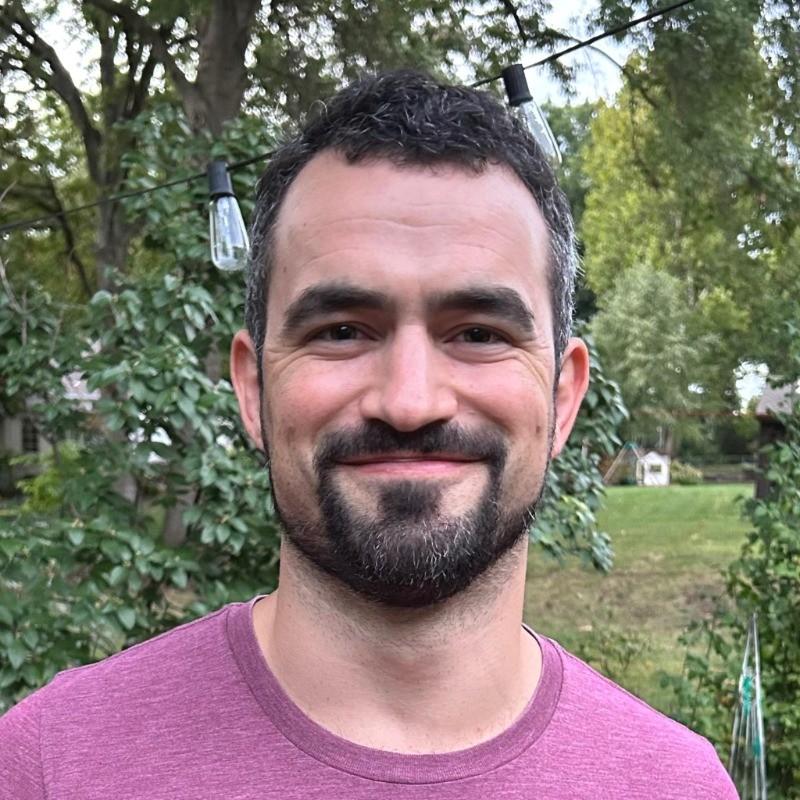
Roger Abbott founded Pure Kopi Luwak in 2018 after a trip through the volcanic highlands of Java, and has bought from the same farming families ever since. He only works with collectors of wild civet coffee, never caged. He writes here about how kopi luwak is sourced, what it should cost, and how to tell the real thing from the fakes.