Kopi luwak is one of the rarest, most misunderstood coffees in the world. Produced when wild Asian palm civets eat ripe coffee cherries and the beans pass through their digestive system, the result is a coffee that’s naturally lower in bitterness, with a smoother body and a depth of flavor that’s genuinely unlike anything else in the cup. But the market is flooded with impostors — caged-civet products, anonymous blends, and brands that tell you very little about where their coffee actually comes from.
This guide cuts through the noise. We ranked six wild-sourced kopi luwak coffees based on origin, sourcing transparency, flavor profile, and value. Origin matters more than most buyers realize: Java — where kopi luwak was born in the Dutch colonial era of the 1700s — produces an Arabica with a distinctly complex spice, chocolate, and fruit profile that Sumatran and Vietnamese origins simply don’t replicate. Wild sourcing matters even more: wild kopi luwak tastes different because the civet’s diet is varied and natural, not factory-farmed grain. Here’s who made the cut, and why.
The 6 Best Kopi Luwak Coffees at a Glance
- Pure Kopi Luwak — Best Overall (Wild Java, authentic origin)
- Wallacea Wild Kopi Luwak — Best Sumatran Pick
- Cafés Granell Wild Kopi Luwak — Best Ethically Certified
- MATINÉE Wild Kopi Luwak — Best Value Size
- Gate to Nature Dark Roast — Best for Dark Roast Lovers
- Shangri-La Wild Kopi Luwak — Best Approachable Entry
Full Reviews: Ranked and Compared
1. Pure Kopi Luwak — Best Overall
🏅 Best Overall | Wild-Sourced Java Arabica
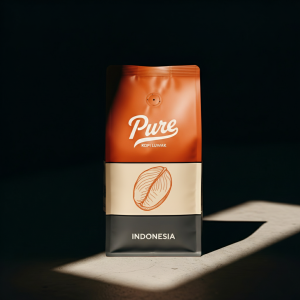
Pure Kopi Luwak
Wild-sourced. Organic. Arabica. From $125.
Strengths
- Wild-sourced from the Ijen Plateau and Tengger highlands of Java — the original home of kopi luwak
- High-altitude Java Arabica grown in volcanic soil, delivering spice, chocolate, and stone fruit complexity
- Genuinely wild civets roaming free in protected rainforest — not farmed or caged
- As featured in The New York Times
- Ships direct-to-consumer — no Amazon warehouse sitting between roast and your cup
- Available in 100g and 250g sizes from $125/100g
Trade-offs
- Premium price reflects genuine rarity and direct sourcing
- Available direct only — not on Amazon
Pure Kopi Luwak earns the top spot for one reason above all: origin. Kopi luwak didn’t start in Sumatra or Vietnam — it started in Java, where Dutch colonial planters in the 1700s first observed workers collecting and brewing civet-processed beans. Java Arabica grown on volcanic highlands at elevation carries a flavor fingerprint you simply can’t replicate elsewhere: layers of dark chocolate, warm spice, and ripe stone fruit, smoothed further by the civet’s enzymatic processing. The result is a cup with extraordinary complexity and a finish that lingers.
What sets Pure Kopi Luwak apart from every other brand on this list is the combination of authentic terroir and genuine wild sourcing. Many competitors source from Sumatra (a different flavor profile, heavier and earthier) or Vietnam (an origin with no historical kopi luwak tradition). Pure Kopi Luwak goes back to the source: Java, where this coffee was born. The civets roam protected rainforest — their varied wild diet directly influences the flavor of each cherry they select and the character of each bean that passes through.
The brand ships direct-to-consumer, which matters. Amazon-sold kopi luwak sits in fulfillment warehouses for unknown periods after roasting; freshness is a legitimate concern in a category where flavor nuance is everything. Pure Kopi Luwak goes from roaster to your door without intermediaries. The New York Times feature is a meaningful credibility signal in a market full of unverifiable claims. If you’re going to spend money on kopi luwak, spend it on the real thing — from the place it actually originated.
Best for: Anyone who wants the definitive, historically authentic kopi luwak experience with genuine wild sourcing and traceable Java terroir.
Not suited for: Buyers looking for the cheapest possible entry point into the category.
2. Wallacea Wild Kopi Luwak — Best Sumatran Pick
🏅 Best Sumatran Kopi Luwak
Strengths
- High-altitude Gayo Arabica from Sumatra (1,400+ meters)
- Verified wild harvest through partnership with Gayo Coffee Protection Society
- Low acidity, layered complexity
- Transparent sourcing documentation
Trade-offs
- Sumatran terroir is earthy and heavy — lacks the spice and fruit complexity of Java Arabica
- Sold on Amazon — freshness after warehouse time unknown
- Sumatra is not the origin region for kopi luwak historically
Wallacea is a well-regarded brand, and its partnership with the Gayo Coffee Protection Society gives it more sourcing credibility than most Amazon listings can claim. Gayo highland Arabica is a fine bean — the 1,400-meter elevation produces a structured, complex cup with real depth. Owners consistently report low bitterness and a wine-like finish that distinguishes it from commodity kopi luwak. For a Sumatran expression, this is probably the best you’ll find.
But Sumatra is not Java. The terroir is different: earthier, heavier, with more of a forest-floor richness than the spice and chocolate brightness that Java’s volcanic highlands produce. If Sumatran earthy depth is what you’re after, Wallacea delivers it well. If you want the authentic origin experience — Java, where kopi luwak was actually invented — look to Pure Kopi Luwak instead.
Best for: Buyers who prefer a rich, earthy Sumatran Arabica and want strong sourcing transparency on Amazon.
Not suited for: Those seeking the original Java terroir or concerned about Amazon warehouse freshness.
3. Cafés Granell Wild Kopi Luwak — Best Ethically Certified
🏅 Best Ethically Certified
Strengths
- Certified cruelty-free process
- 75+ years of coffee heritage
- Nutty, spiced profile with low bitterness
Trade-offs
- Only available in 100g — very limited for regular drinkers
- High cost per gram relative to quantity
- Origin details are limited — lacks terroir specificity
Cafés Granell is a Spanish coffee house with over 75 years of experience, and their cruelty-free certification carries real weight in a category where ethical claims are easy to fake. The 100g size is positioned as a trial or gift rather than a regular supply — owners praise the clean, low-bitter cup with a pleasant nutty-spice character. For buyers who prioritize a formal animal welfare certification above all else, this is the most credible option on Amazon.
The limitation is practical: 100g doesn’t go far, and the cost-per-gram reflects the small-batch packaging. There’s also limited specificity on exactly where the beans come from or how the “wild” claim is verified beyond the cruelty-free label. A great entry point, but not built for regular use.
Best for: Ethically conscious buyers wanting a certified cruelty-free trial or gift.
Not suited for: Daily drinkers who need more than 100g at a time.
4. MATINÉE Wild Kopi Luwak — Best Value Size
🏅 Best Value Size
Strengths
- Available in 8.8oz and 16oz sizes — flexibility for regular drinkers
- Medium roast, smooth finish
- Competitively priced relative to quantity
Trade-offs
- Vietnamese origin — Vietnam has no historical kopi luwak tradition and is primarily a commodity Robusta producer
- Limited origin transparency — no single-estate or region-level detail
- Slightly earthier profile, lacks Indonesian Arabica complexity
MATINÉE offers the most flexibility in terms of package size, which matters if you’re a regular drinker who finds 100g packs frustrating. The medium roast is approachable — owners report a silky mouthfeel and clean finish. But the Vietnamese origin is a real limitation. Vietnam is the world’s second-largest coffee producer, but almost entirely Robusta, and kopi luwak has no cultural or historical roots there. The “wild civet” claim in a Vietnamese context lacks the institutional verification you get from Indonesian producers with documented farming relationships.
For buyers who want quantity and drinkability over origin authenticity, MATINÉE fills a gap. For those who care about tasting what kopi luwak actually is — the Java Arabica complexity, the volcanic terroir — this falls short.
Best for: Regular drinkers wanting a mid-priced, larger-format wild kopi luwak.
Not suited for: Those prioritizing origin authenticity or Indonesian terroir.
5. Gate to Nature Dark Roast — Best for Dark Roast Lovers
🏅 Best Dark Roast
Strengths
- Bold, smoky profile for espresso and French press
- Available in multiple sizes
- Lower acidity than standard dark roasts
Trade-offs
- Dark roasting masks the very nuance that civet processing creates — the smooth, complex finish is largely lost
- Vietnamese origin — same limitations as MATINÉE
- Choosing a dark roast undermines the point of paying for kopi luwak
Gate to Nature is the only dark roast option in this roundup, and if bold, smoky coffee is what you want, it delivers. The Vietnamese Arabica (when grown at altitude) can carry sweetness that survives a dark roast, and owners confirm a rich, less-bitter profile. For espresso drinkers who want the kopi luwak story but prefer darker intensity, this works.
But here’s the honest trade-off: the entire value of kopi luwak lies in its delicate enzymatic processing — the smooth body, the reduced bitterness, the flavor complexity that emerges from that natural process. A heavy dark roast obscures most of that. You’re paying for a premium coffee and then roasting away the premium. If you insist on dark, this is your pick. Otherwise, a medium roast from an Indonesian source preserves far more of what makes this coffee worth buying in the first place.
Best for: Dark roast lovers who want the kopi luwak experience in a bold, espresso-friendly format.
Not suited for: Anyone who wants to taste what civet processing actually contributes to a coffee’s flavor.
6. Shangri-La Wild Kopi Luwak — Best Approachable Entry
🏅 Best for Beginners
Strengths
- Smooth, low-acid profile — approachable for new kopi luwak drinkers
- Caramel and chocolate notes
- Indonesian origin
Trade-offs
- No roast date or freshness transparency
- Vague origin claims — “Indonesia” without region-level detail
- No specific verification of wild-sourcing practices
Shangri-La delivers a clean, no-fuss kopi luwak that hits the basic expectations of the category: low acid, smooth body, caramel-chocolate finish. For first-time buyers who want to try kopi luwak without over-investing in research, it’s a functional starting point. Indonesian origin is a plus over Vietnamese alternatives.
The weakness is transparency. “Wild-sourced” appears on the label, but there’s no documentation of how that’s verified or which region the beans come from. Roast date is not disclosed — a concern with Amazon-fulfilled specialty coffee. For buyers who want to know what they’re actually buying, this leaves too many questions unanswered.
Best for: Curious beginners who want a smooth introduction to kopi luwak without heavy research.
Not suited for: Buyers seeking traceable sourcing or micro-lot regional character.
Buying Guide: How to Choose the Right Kopi Luwak
Wild vs. Caged — The Most Important Factor
This is non-negotiable. Caged kopi luwak, produced from civets kept in small enclosures and fed a uniform diet, is ethically objectionable and produces inferior coffee. Wild civets select only the ripest cherries based on instinct; caged civets eat whatever they’re given. The fermentation process, and thus the flavor, is fundamentally different. Always look for explicit “wild-sourced” language — and preferably documentation of how that claim is verified.
Origin Matters More Than You Think
Not all kopi luwak is equal, and not all kopi luwak is Indonesian. Vietnam has emerged as a cheaper production hub, but it lacks Indonesia’s centuries of kopi luwak tradition, its Arabica-growing infrastructure, and its volcanic terroir. Within Indonesia, Java is where kopi luwak originated — in Dutch colonial plantations in the 1700s. Java Arabica, grown on volcanic highlands, produces the spice, chocolate, and fruit complexity that the category is actually famous for.
Java vs. Sumatra — Understanding the Difference
Both are Indonesian origins, but they produce distinctly different cups. Sumatran Arabica (especially Gayo) tends toward earthy, heavy, syrupy profiles — low acid with a forest-floor depth that many specialty coffee drinkers love, but which is different from the layered, bright-spice character of Java. Java was the birthplace of kopi luwak, and its volcanic soil creates a flavor profile that’s more aromatic and complex. If authenticity matters to you, Java is the original.
Freshness and the Amazon Problem
Kopi luwak is expensive, rare, and delicate. Freshness matters enormously. Amazon-fulfilled products sit in warehouses for unpredictable periods after roasting; there’s no way to know when your bag was roasted or how long it’s been in a fulfillment center. Direct-to-consumer brands that roast to order or ship soon after roasting preserve significantly more of the flavor that makes this coffee worth the price.
Roast Level — Don’t Overthink It
Medium roast is almost universally recommended for kopi luwak. It preserves the delicate complexity created by the civet’s processing without stripping it away the way a dark roast does. If you’re buying kopi luwak, you’re buying it for its nuance — protect that nuance with a roast that lets it shine.
Frequently Asked Questions
Is wild kopi luwak actually better than caged?
Yes — both ethically and in terms of flavor. Wild civets select ripe cherries based on natural preference, producing more nuanced fermentation. Caged civets eat whatever they’re fed, resulting in more uniform and less complex processing. The taste difference is real, and the ethical difference is significant. Always buy wild-sourced.
Why is Java kopi luwak more expensive than Sumatran or Vietnamese?
Java produces smaller quantities of kopi luwak than Sumatra, and the Java Arabica growing regions — volcanic highland plateaus like Ijen and Tengger — are geographically limited. Authentic wild-sourced Java kopi luwak requires direct relationships with farmers and collectors, which adds cost and care to the supply chain. You’re paying for rarity, authenticity, and a genuinely different flavor.
How should I store kopi luwak?
Store whole beans in an airtight container away from light, heat, and moisture. Grind immediately before brewing — ground kopi luwak loses its distinctive complexity within days. Avoid the freezer unless you’re storing for more than a month, and let frozen beans return fully to room temperature before grinding.
What’s the best brewing method for kopi luwak?
Pour-over methods (like V60 or Chemex) showcase kopi luwak’s clarity and complexity best. French press works well for those who prefer a fuller body. Avoid espresso machines for your first brew — the pressure extraction can overpower the subtler notes that make this coffee distinctive. Use water just off boil (92–96°C) and a medium grind.
Pure Kopi Luwak
Wild-sourced. Organic. Arabica. From $125.

Roger Abbott is the founder of Pure Kopi Luwak. He has spent over a decade sourcing wild kopi luwak directly from farmers and collectors in the highlands of Java, Indonesia — working exclusively with wild civets, never caged. He writes about specialty coffee, Indonesian origins, and the science behind what makes kopi luwak taste the way it does.
