In March 2024, PETA’s Senior Vice President Jason Baker confirmed that investigators had documented deplorable conditions at a kopi luwak farm in Catur, a small village 30 miles north of Ubud. Civets were kept in wire cages barely large enough to turn around, fed exclusively on coffee cherries, and exhibited the repetitive stress behaviors — circling, bar-biting — associated with psychological distress in captive animals. The farm advertised its product as wild-sourced.
This is not an isolated incident. PETA’s investigation covered multiple farms across Bali, and found the same conditions at every one it visited. The investigation, reported by CNBC and Business Insider in March 2024, renewed attention on a practice that has flourished partly because tourists visiting Bali are, in many cases, genuinely trying to do something special. They’ve heard that kopi luwak is remarkable. A tour guide directs them to a farm. A civet is present, visible, perhaps even touchable. The packaging says wild-sourced. The deception is complete before the first cup is poured.
How the Tourist Farm Model Works
The typical Bali kopi luwak tourist operation follows a recognizable formula. It’s usually embedded in an agricultural tour that stops at a farm in the Bedugul highlands, around Kintamani, or in the Ubud hinterlands. Visitors see rows of packaged coffee, spice gardens, palm sugar demonstrations — and caged civets. The coffee tasting menu includes multiple Indonesian varieties alongside kopi luwak at the end, presented as the premium finale. Prices are modest by Western standards: a tasting might cost 50,000 rupiah, a bag of authentic wild kopi luwak 150,000 to 300,000 rupiah (roughly $10-$20 USD per 100 grams).

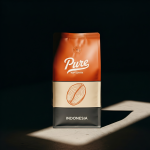
Pure Kopi Luwak
Wild civet coffee from Java. 88.5 SCA cupping score. From $125 for 100g.
That last number tells you everything. Genuine wild kopi luwak requires skilled forest trackers, seasonal availability, hand-collection from forest floors, meticulous sorting, careful washing, and careful roasting. The economics of that process produce a product that costs between $100 and $150 per 100 grams at honest retail. A farm selling it for $15 cannot be selling the real thing.
What Authentic Bali Collection Looks Like
Authentic wild kopi luwak collection in Bali — when it genuinely occurs — looks nothing like a tourist farm. The Asian palm civet (Paradoxurus hermaphroditus) is a nocturnal forager that ranges widely through highland coffee growing areas. Legitimate collectors work specific territories at dawn, reading civet sign and collecting deposits from the forest floor. A skilled collector working prime habitat might gather 200 to 400 grams of unprocessed raw material per day during peak season, which translates to considerably less after washing, drying, hulling, and sorting.
Legitimate operations don’t have civets on display, because legitimate operations don’t cage civets. If you visit a farm and civets are visible in any kind of confinement, you are looking at caged production regardless of what the signage says. This is not a matter of interpretation: wild collection means the civet is wild. A caged civet is, by definition, not producing wild-sourced beans.
Why Tour Guides Mislead Visitors
The economic incentives are clear. Tour operators in Bali receive commissions for directing visitors to partner businesses. Kopi luwak farms pay well. A guide who steers a busload of tourists to a tasting session earns meaningfully more than one who declines to do so. The guide may not personally know whether the civets are wild or caged; they may have been told the farm is authentic; they may know perfectly well and have decided it doesn’t matter.
The result is that most Bali tourists who believe they’ve tasted authentic kopi luwak have not. They’ve tasted commercial Indonesian coffee — possibly Robusta, possibly Arabica, possibly blended — that has been run through caged civets or processed artificially, packaged beautifully, and sold at a markup that feels modest to a foreign visitor but represents substantial profit to the seller.
How to Find Genuinely Ethical Sources
If you’re in Bali and want authentic kopi luwak, the most honest advice is: you probably won’t find it on tour. The legitimate wild-collection supply chain in Indonesia is not set up for retail tourism. It feeds small-volume export markets and specialty distributors who have established direct relationships with highland collectors over years.
What you can do is ask the right questions. Any seller claiming wild sourcing should be able to name the specific collection area (a regency, a village, a mountain — not just Bali), describe the collection method in specific terms, provide a roast date, and explain why their price is what it is. If the price is under $80 per 100 grams for a product claimed to be wild-sourced, the economics don’t support the claim.
For a definitive guide on evaluating any kopi luwak purchase, our post on how to verify authentic kopi luwak coffee beans covers the documentation, physical inspection, and supply chain questions that distinguish genuine product from imitations. And for context on why the price differential between wild and caged production reflects genuine cost differences rather than marketing, see our breakdown of wild kopi luwak versus farm-raised.
Visitors to Bali who want to bring home authentic kopi luwak are better served ordering from a verified source like our direct-supply wild kopi luwak before or after their trip. The experience of drinking genuine wild-sourced beans — with a supply chain that’s actually traceable — is categorically different from what’s served at roadside tasting stops, and the comparison makes the fraud in those places immediately, uncomfortably clear.
Pure Kopi Luwak
Wild civet coffee from Java. 88.5 SCA cupping score. From $125 for 100g.
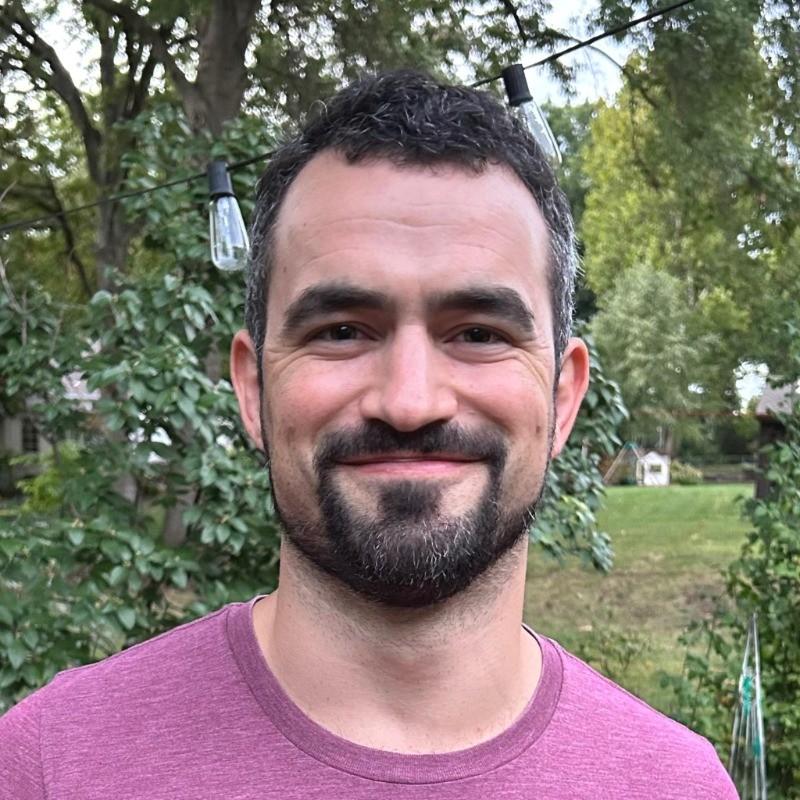
Roger Abbott founded Pure Kopi Luwak in 2018 after a trip through the volcanic highlands of Java, and has bought from the same farming families ever since. He only works with collectors of wild civet coffee, never caged. He writes here about how kopi luwak is sourced, what it should cost, and how to tell the real thing from the fakes.