There is no machine that can do what a skilled forest collector does at four in the morning in highland Java. The collector knows the territory — specific stands of coffee-adjacent forest, the drainage lines where civets prefer to forage, the seasonal patterns of civet activity that shift with the coffee harvest calendar. She knows what a fresh deposit looks like versus one that has sat overnight, and why that distinction matters for the quality of the beans inside. This knowledge is embodied, local, and irreplaceable. It’s also why authentic wild kopi luwak is expensive and why its quality can’t be replicated by operations that skip this step.
What Hand-Collection Actually Involves
Wild kopi luwak collection begins before dawn. Civets forage at night, and the best material is collected early enough that it hasn’t spent hours exposed to morning heat, insects, or rain. A skilled collector moves through known territory reading the signs of the previous night’s activity: disturbed leaf litter, claw marks on low branches, the characteristic deposit pattern of a civet that has moved through. The material collected is not just the beans — it’s seeds mixed with other dietary components, and part of the collector’s skill is the immediate field assessment of quality.
From a productive day’s work in good habitat, a collector might gather 200 to 400 grams of raw material. After returning to the processing station, this material is washed to remove the outer mucilage, sorted to separate acceptable beans from degraded or contaminated specimens, dried in the sun for several weeks, hulled to remove the remaining parchment layer, and sorted again before roasting. The full skilled labor investment across collection and processing for a single finished 100-gram package exceeds what any farm operation can claim at comparable scale.
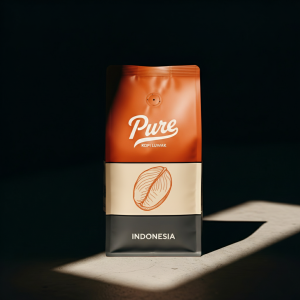
Pure Kopi Luwak
Wild civet coffee from Java. 88.5 SCA cupping score. From $125 for 100g.
The Quality Mechanism of Hand-Selection
The primary quality advantage of hand collection isn’t just that it’s human — it’s that it’s skilled and discriminating. An experienced collector makes constant quality decisions in the field: this deposit is fresh, this one is not; these beans look intact, these show signs of damage; this site consistently yields better material than that one. These micro-decisions are made dozens of times per collection session, and their cumulative effect on finished product quality is substantial.
The first sort happens in the forest. Contaminated deposits — those showing obvious microbial degradation, insect damage, or unusual odor — are left behind. A collector not motivated by quality maximization might gather indiscriminately to increase yield. A skilled collector working for a buyer who pays premiums for quality has every incentive to discriminate. This alignment of economic interest and quality outcome is one of the reasons that well-sourced wild kopi luwak consistently outperforms poorly sourced product regardless of the origin region.
Try the coffee this article is about
Wild-sourced from Java, 88.5 SCA cupping score, free US shipping. From $125 for 100g.
Shop Pure Kopi Luwak →Processing: Where Hand-Work Continues
After collection, the hand-work continues through processing. The initial washing requires attention: unprocessed kopi luwak contains the parchment and silver skin along with outer mucilage, and thorough washing is essential to remove any off-flavors from the digestive process. Insufficient washing produces ferment-tainted beans; over-fermentation from delayed washing produces sour notes. The timing and technique of washing is a craft skill developed over years.
Sun-drying on raised beds requires regular turning and monitoring. Too fast and the beans dry unevenly; too slow and mold develops. The drier the highland air, the better — lowland humidity is an enemy of consistent drying. After drying to the appropriate moisture content (typically 11 to 12 percent), hulling removes the parchment layer, and hand-sorting begins: beans are spread on a clean surface and inspected piece by piece. Damaged beans, shells, undersized specimens, and any material showing off-color are removed.
This final sort is where authentic wild kopi luwak diverges most clearly from bulk production. Legitimate producers selling to quality-conscious buyers sort with the expectation that the customer knows what good beans look like. Commercial operations selling blended or caged product typically skip rigorous sorting because the economics don’t support it.
What Gets Lost Without This Process
Operations that shortcut hand-collection and hand-processing produce predictably worse coffee. Caged operations gather from confined animals’ enclosures rather than ranging territory — there’s no forest knowledge involved, no quality discrimination at collection, no skill premium. The beans are processed in batches without the granular field-sorting that separates fresh from degraded material. The result is product with more processing defects, less consistent flavor, and the additional quality compromise of caged-animal digestive chemistry.
Bulk operations that blend small quantities of genuine kopi luwak with conventional beans obviously lose all authenticity. The blend might contain ten percent genuine product; the other ninety percent is conventional Indonesian arabica. The price is lower; the experience is not what it claims to be.
Finding Producers Who Do It Right
Identifying producers who genuinely use skilled hand-collection is a matter of asking the right questions and recognizing the right answers. Ask where, specifically, collection occurs — not just Java but which region, which elevation, which season. Ask how the collector knows when material is fresh. Ask how sorting is done and whether you can see sorting quality indicators in the green bean sample. A producer who can answer these questions in operational detail is more likely to be selling genuine hand-collected product than one who responds with marketing language about traditional methods.
For our wild kopi luwak from Java, the supply chain runs from specific highland collection territory to roaster to buyer, with hand-sorting visible in the finished bean quality. For the full verification approach, see our guide to authenticating kopi luwak. For context on how these production methods drive the price differential, our 100g price guide breaks down the cost structure at each tier of authenticity.
Pure Kopi Luwak
Wild civet coffee from Java. 88.5 SCA cupping score. From $125 for 100g.

Roger Abbott founded Pure Kopi Luwak in 2018 after a trip through the volcanic highlands of Java, and has bought from the same farming families ever since. He only works with collectors of wild civet coffee, never caged. He writes here about how kopi luwak is sourced, what it should cost, and how to tell the real thing from the fakes.