Bali’s kopi luwak tourism industry has a reputation problem that most visitors don’t discover until after they’ve paid for a cup. The majority of kopi luwak served at roadside coffee stops and plantation tours across Ubud and Kintamani is produced from caged civets — animals kept in small enclosures, force-fed coffee cherries regardless of ripeness, and operating under conditions that produce inferior coffee and significant animal welfare concerns. A 2013 investigation by the BBC and subsequent reporting by animal welfare organizations documented that the majority of kopi luwak on the Bali tourist trail falls into this category.
This matters for two reasons: ethical and practical. Caged kopi luwak isn’t just an animal welfare problem — it’s a quality problem. The selective foraging behavior that distinguishes wild civet processing (choosing only peak-ripe cherries) disappears when animals are caged and fed indiscriminately. The stress of captivity also compromises the digestive chemistry that makes genuine kopi luwak distinctive. You’re paying for a story and getting a generic cup.
With that context established: here is how to find the real thing in Bali, what to look for, and why the best approach for purchasing authentic wild kopi luwak may not involve Bali at all.
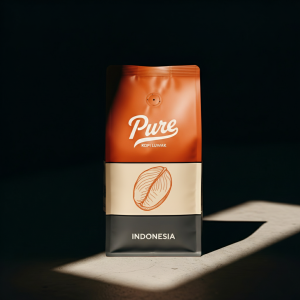
Pure Kopi Luwak
Wild civet coffee from Java. 88.5 SCA cupping score. From $125 for 100g.
What Distinguishes Ethical from Tourist-Trap Operations
The clearest indicator of authenticity is whether you can see where the civets are and how they’re kept. Genuine wild kopi luwak production in Bali involves farm operations where civets roam freely — not enclosures with rows of cages on display as a tourist attraction. If a venue is showing you caged civets as part of the experience, that is your answer about the sourcing.
Legitimate operations focused on wild or semi-wild production are significantly rarer. Look for farms where staff can describe the collection process in specific terms: where on the farm civets forage, how the beans are identified and collected, how they’re cleaned and processed. Vague answers to these questions (“from the forest near here”) are not necessarily disqualifying but vague answers combined with visible caging infrastructure are. Transparency about animal sourcing is the single most useful filter.
The Jatiluwih region in Tabanan Regency, home to UNESCO World Heritage rice terraces, has traditional coffee-growing operations that are more removed from the high-volume tourist circuit than Ubud-area plantations. The scale is smaller, the operations tend to be family-run, and the proportion of genuinely wild-sourced production is higher — though verification is still essential.
Try the coffee this article is about
Wild-sourced from Java, 88.5 SCA cupping score, free US shipping. From $125 for 100g.
Shop Pure Kopi Luwak →Ubud Area: The High-Volume Plantation Circuit
The cluster of coffee plantation tours along the road toward Kintamani from Ubud is the most heavily trafficked kopi luwak tourist experience in Indonesia. These operations — Alas Harum, Bali Pulina, Luwak Coffee Farm, and numerous others — offer free coffee tasting with a luwak coffee option at 60,000-100,000 IDR per cup (approximately $4-6 USD). The tourism product is efficient and visually appealing: coffee processing demonstrations, beautiful views, a large range of herbal teas and local coffees alongside the luwak offering.
What’s present at most of these venues is caged civet displays. What’s typically absent is verifiable wild sourcing. For travelers whose primary goal is the experience of a Balinese coffee plantation tour, these venues deliver that experience. For buyers who want to know they’re drinking genuinely wild-processed kopi luwak, they don’t reliably deliver that.
The tasting cup experience at these venues is also not the optimal way to evaluate kopi luwak. A single, small-format cup prepared for rapid turnover is rarely indicative of what properly brewed wild kopi luwak tastes like. The variables — grind size, water temperature, brewing ratio — are often optimized for speed rather than quality.
Kintamani: The Highland Coffee Terroir
The Kintamani highlands, growing Arabica at 900-1,500 meters above sea level on the slopes of Mount Batur’s caldera, produce some of Bali’s most distinctive specialty coffee. The volcanic soil from Batur’s historical eruptions (the most recent significant eruption was 1963) is rich in minerals and exceptionally well-draining — conditions that favor Arabica over Robusta and that produce a lighter-bodied, brighter coffee than lowland Balinese production.
Kintamani Arabica has a GI (Geographical Indication) certification from the Indonesian government, recognizing it as a distinct origin. The flavor profile — citrus notes, clean acidity, medium body — is legitimately interesting as a specialty coffee. Wild civets are present in the Kintamani highlands and do process coffee there; the question is always whether what’s sold as kopi luwak in the area reflects genuine wild sourcing or the caged alternative.
The Honest Recommendation
If you’re in Bali and want to taste authentic wild kopi luwak, the most reliable approach is to source it from a verified producer before you arrive — or to purchase from a supplier with documented wild-sourcing credentials rather than from a plantation tour kiosk where provenance cannot be verified on-site. Wild-sourced Java kopi luwak, from Javanese farms where the production methodology is documented and traceable, offers a more reliable product than most of what’s available in Bali’s tourist circuit.
Bali is worth visiting for coffee for other reasons: the Kintamani highlands produce genuinely interesting Arabica, the local coffee culture is vibrant, and the plantation tour experience — however commercially packaged — provides real education about how coffee is processed. But for kopi luwak specifically, the reputation of Bali’s tourist operations and the structural difficulty of verifying wild sourcing on a short visit means that the island is not necessarily the best place to buy your first authentic cup.
The cruelty-free kopi luwak question is central to any purchasing decision in Bali. Ask it directly before you buy. The answer will tell you everything you need to know.
Pure Kopi Luwak
Wild civet coffee from Java. 88.5 SCA cupping score. From $125 for 100g.
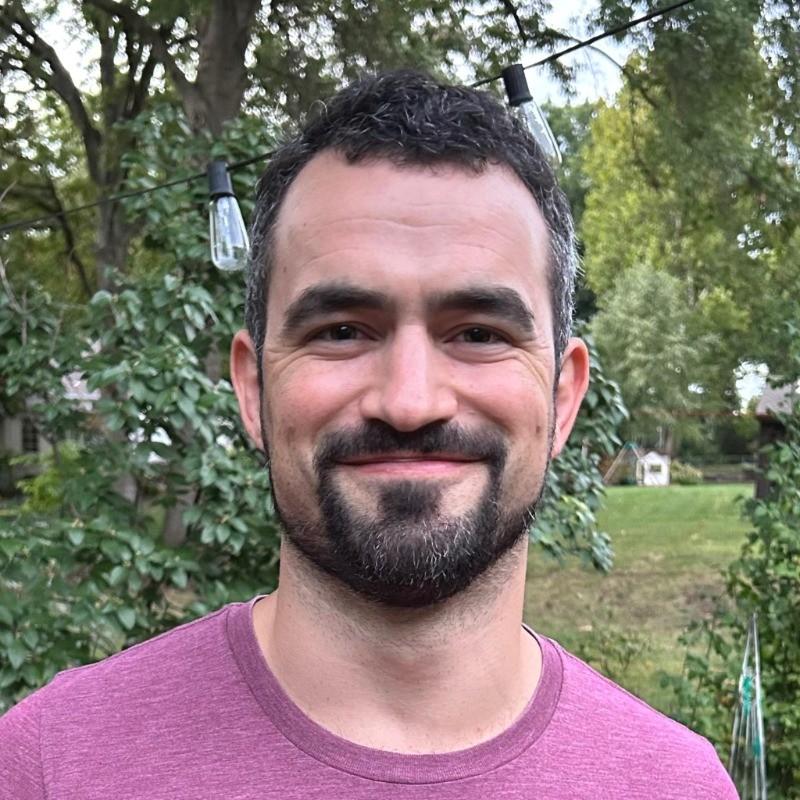
Roger Abbott founded Pure Kopi Luwak in 2018 after a trip through the volcanic highlands of Java, and has bought from the same farming families ever since. He only works with collectors of wild civet coffee, never caged. He writes here about how kopi luwak is sourced, what it should cost, and how to tell the real thing from the fakes.