Hamburg processes more coffee than any other port in Europe. The numbers are not close: in 2024, Hamburg re-exported 205,000 tonnes of green coffee to neighboring countries after serving as the primary landing point for beans from Brazil, Vietnam, Colombia, and Indonesia. Neumann Kaffee Gruppe, one of the world’s largest green coffee trading companies, operates major warehousing facilities there. The port has processed coffee futures contracts for more than a century. And yet if you want to buy a bag of authentic wild kopi luwak anywhere in Germany, the Hamburg coffee infrastructure is almost entirely irrelevant to your search. Commodity coffee and specialty coffee share almost no supply chain. Wild kopi luwak, which is produced in quantities measured in hundreds of kilograms globally per year, moves through entirely different channels.
Germany’s Coffee Culture and Why Kopi Luwak Fits
Germany is the second-largest export destination for Brazilian specialty coffee, and the country’s third-wave coffee scene — concentrated in Berlin, Hamburg, and Munich — has grown significantly over the past decade. German consumers are increasingly accustomed to paying premium prices for traceable, single-origin coffee. That familiarity with specialty coffee language and sourcing transparency makes Germany one of the better markets for understanding what makes genuine wild kopi luwak different from commodity alternatives.
Per-capita coffee consumption in Germany consistently ranks among Europe’s highest. The infrastructure for brewing excellent coffee at home — grinders, pour-over equipment, precision kettles — is widely available and commonly used. The gap between German coffee culture and the kind of attention kopi luwak requires is smaller than in most markets.
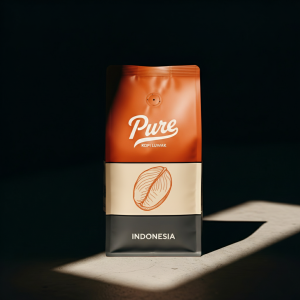
Pure Kopi Luwak
Wild civet coffee from Java. 88.5 SCA cupping score. From $125 for 100g.
Where to Buy Kopi Luwak in Germany
German specialty coffee retailers occasionally stock kopi luwak, but sourcing transparency varies significantly. The premium price of genuine wild kopi luwak means that buyers should approach any German retail listing with the same scrutiny they’d apply to any international purchase: ask for the specific origin, confirm wild versus cage-sourced, and treat any product priced below €80 per 100 grams with serious skepticism.
The most reliable route for German buyers is ordering directly from verified producers who ship internationally. Customs and import duties on roasted coffee into Germany are governed by EU trade policy — roasted coffee from Indonesia enters under the EU’s standard third-country import rules, and standard German VAT (19%) applies. Shipping from a quality international producer to Germany typically runs 5-10 business days.
What to Expect on Price
Authentic wild-sourced kopi luwak from Java — the benchmark origin — starts at approximately $125 per 100 grams (roughly €115-120 at current exchange rates). The 250-gram option at $250 offers better per-cup economics for regular buyers. These prices reflect the genuine cost of wild collection and small-batch processing. German buyers accustomed to paying €30-50 for specialty micro-lot coffee should find the step-up to kopi luwak pricing intelligible once the production constraints are understood — it’s not a luxury tax, it’s a production floor.
Before buying from any source, understanding how to verify authentic kopi luwak is essential — the fraud rate in the global kopi luwak market is high, and German retail channels are not immune. Our wild-sourced Java kopi luwak ships directly to Germany with full provenance documentation.
Pure Kopi Luwak
Wild civet coffee from Java. 88.5 SCA cupping score. From $125 for 100g.
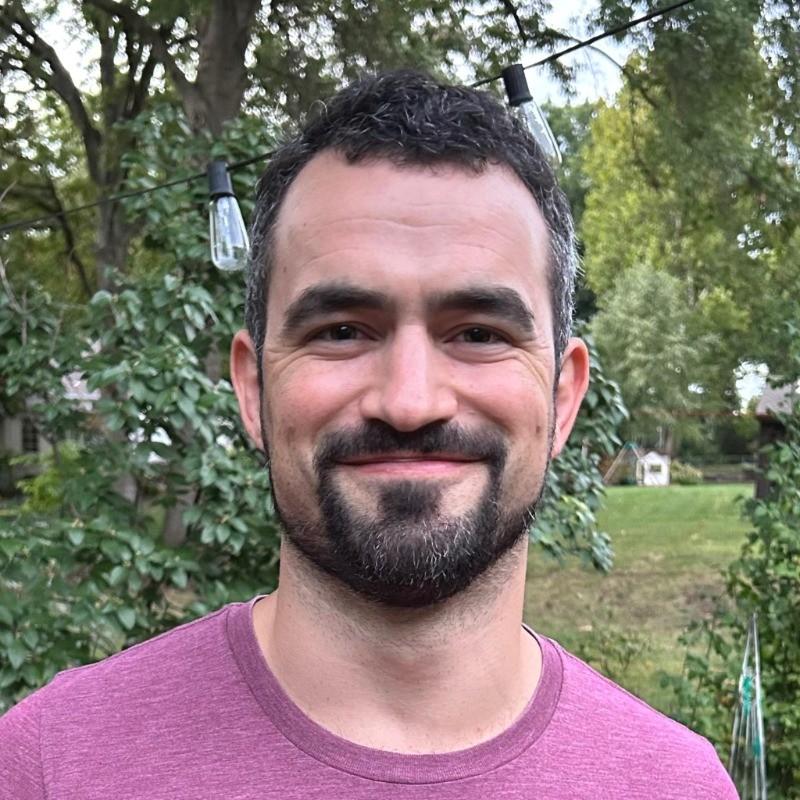
Roger Abbott founded Pure Kopi Luwak in 2018 after a trip through the volcanic highlands of Java, and has bought from the same farming families ever since. He only works with collectors of wild civet coffee, never caged. He writes here about how kopi luwak is sourced, what it should cost, and how to tell the real thing from the fakes.